
PCB Prototype Assembly: Ensuring Reliable High-Volume Production

A printed circuit board may be small, but it sits at the heart of every electronic system. Bringing a PCB from concept to reality is a demanding process that requires planning, validation, and careful engineering. Before full production begins, manufacturers study performance expectations, signal reliability, thermal behavior, and whether the design can be repeated successfully at scale.
This structured preparation stage is what we call PCB prototyping.
Turning concepts into manufacturable products
In most PCB organizations, the design group and the production floor work separately. Prototyping becomes the meeting point between imagination and execution. Moving directly to mass manufacturing without testing can lead to expensive setbacks.
A prototype build works like a rehearsal before the final show. It reveals design oversights, uncovers process challenges, and gives engineers the opportunity to refine the board. When volume fabrication finally starts, the groundwork has already been done, reducing surprises.
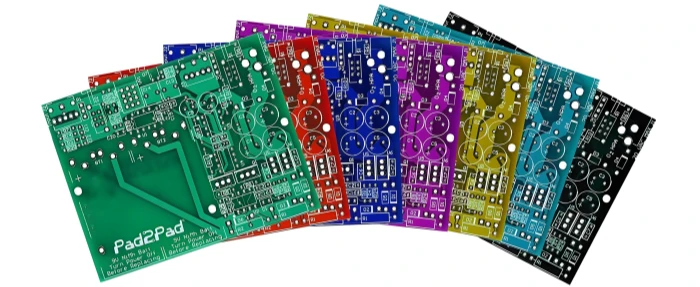
PCB prototyping
Raising the bar for reliability and safety
The effectiveness of an electronic device largely depends on the quality of its PCB. Even a minor flaw can interrupt signal transmission and compromise overall performance. In extreme cases, weaknesses in layout or materials can cause overheating or other dangerous failures.
Through prototype evaluation, specialists confirm that the board can handle real operating conditions and meet safety expectations long before it reaches the customer.
Preparing for high-volume efficiency
Electronics manufacturers often require thousands—or even millions—of identical boards. Prototyping ensures the design is ready for that level of repetition.
By identifying production issues early, companies can fine-tune assembly methods, verify part availability, and streamline workflows. Once manufacturing ramps up, operations run faster, waste is reduced, and delivery timelines improve.
Demonstrating value to stakeholders
A functional prototype speaks louder than drawings or specifications. Investors, partners, and clients gain a tangible understanding of the product’s strengths and the expertise behind it. This transparency builds credibility and can accelerate funding, approvals, and new business relationships.
Encouraging smarter, stronger designs
Every prototype cycle delivers feedback. Engineers learn what works, what needs adjustment, and where innovation can push the design further. Continuous testing and refinement ultimately produce PCB that are more robust, efficient, and competitive in the market.
Tags
Related Posts
PCBA Prototype
February 8, 2026
PCBA Prototype
February 1, 2026

PCBA Prototype
January 25, 2026