
Assembly


Flex PCB Stiffeners: Materials, Thickness and Design Guidelines
PCB Fiducial Marks: Size, Placement and Design Guidelines
Rigid-Flex PCB Bend Radius Guide
PCBA · CABLING · ENCLOSURE INTEGRATION
From assembled boards to an integrated product.
GreatPCB brings PCB assemblies, cables and mechanical parts together in an enclosure, with programming, testing and packaging to suit your build. Work with us on the complete assembly or define the stages you need alongside your own suppliers.
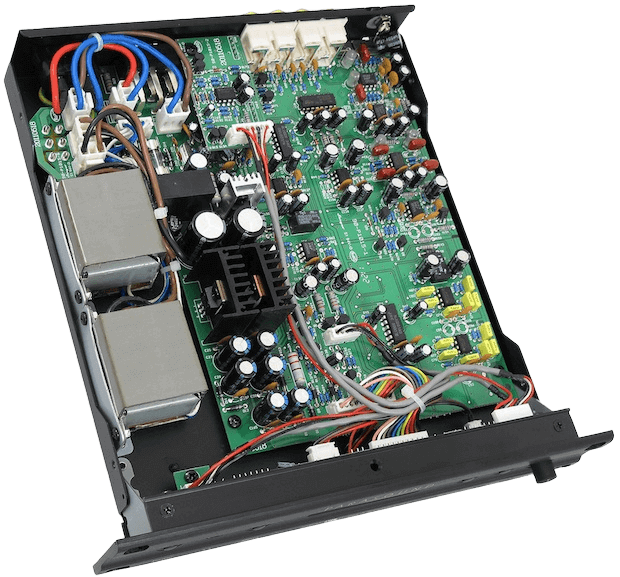
Boards, wiring and mechanical parts within an enclosure.
What Is Box Build Assembly?
Box build assembly combines circuit board assemblies, electrical connections and mechanical parts into a product or subassembly. It extends beyond mounting components on a PCB to include the enclosure and the connections that make the assembled system work.
A simple build might contain one board, a cable and a housing. A more involved assembly can include several boards, a power supply, switches, a display and external interfaces. The deliverable may be a finished product or a module that becomes part of a larger system.
Typical parts of a box build include:
- PCB assemblies and electronic modules that provide the product’s control, power or communication functions.
- Enclosures and mounting parts, including panels, brackets, standoffs and fasteners.
- Cables, harnesses and connectors that join boards, controls and external interfaces.
- User interface parts, such as switches, indicators and displays.
- Firmware, labels and accessories needed for the agreed configuration and delivery.
The distinction from PCB assembly is the level of integration. A populated board is one part of the build; box build assembly brings that board together with the surrounding parts and verifies the agreed functions in the assembled configuration.

A board assembly and its enclosure are separate items that need a defined mechanical interface.
GreatPCB’s Box Build Assembly Capabilities
GreatPCB connects board manufacturing and assembly with the work needed to integrate your electronics into an enclosure. The project can start with fabrication and sourcing, or with parts you already have. The build package establishes what each party supplies and what the completed assembly needs to include.
Project and Assembly Review
A box build needs the electrical and mechanical information to describe the same product. Review starts with the BOM, drawings, connections and acceptance requirements so purchasing and assembly can work from a consistent configuration.
- Check board mounting positions, connector orientation, enclosure openings and access for assembly.
- Identify missing details, conflicting revisions and parts that need clarification before release.
- Establish the assembly sequence, fixture needs and inspection or test requirements for the project.
PCB Manufacturing, Sourcing and Assembly
Board preparation can be included in the same build scope. Component sourcing and PCB assembly can be planned around the enclosure, cables and other items needed for final integration.
- Arrange bare-board fabrication and the specified SMT, through-hole or mixed assembly work.
- Review approved component identities, availability and proposed alternatives before purchasing.
- Define customer-supplied items and the information needed to accept them into the build.
- Plan low-volume PCB assembly for initial builds or repeat small batches where appropriate.
Enclosure and Mechanical Assembly
The enclosure has to accommodate the assembled boards, connections and product features. Mechanical assembly brings these parts together according to the released drawings and installation requirements.
- Mount PCB assemblies, brackets, standoffs, panels and specified accessories.
- Check fit, alignment, underside clearance and access to connectors or serviceable parts.
- Apply specified fastening and retention requirements for the selected materials and hardware.
- Confirm how supplied or sourced enclosures and mechanical parts will enter the assembly plan.
Cabling and Electromechanical Integration
Internal wiring connects the product’s individual assemblies. Routing and support matter as well as the electrical connection: covers must close without trapping wires, and handling loads should not pull directly on a termination.
- Install cables and harnesses to the defined pin assignments and connection points.
- Arrange cable paths, identification, retention and strain relief to suit the enclosure.
- Integrate switches, displays, power connections and other specified interfaces.
- Review wiring around moving parts, sharp edges and the intended cooling path.

Internal connections and routing form part of the assembled configuration.
Programming, Inspection and Testing
Configuration and verification complete the assembly scope. IC programming can cover the approved firmware and device settings, while the test plan defines how the assembled product will be checked.
- Inspect mounting, connections, routing, labels and the specified workmanship features.
- Define board-level inspections separately from checks on the assembled system.
- Verify the inputs, outputs, startup behavior or interfaces included in the functional test procedure.
- Agree the build identification and inspection or test records needed for delivery.
A board that passes its own test may still need its front-panel controls or external interfaces checked after integration. Safety, environmental and calibration work should be identified according to the product’s applicable requirements rather than assumed to be part of every build.
Labeling, Packaging and Delivery Preparation
The delivery configuration matters as much as the assembly configuration. Define what travels with each unit and how the finished assembly will be protected during handling and shipment.
- Apply the specified product, revision, serial or batch identification.
- Include the required cables, mounting accessories, instructions or other kit items.
- Plan protection for connectors, displays and vulnerable mechanical features.
- Prepare the agreed packaging and accompanying records for the delivery destination.
Industries and Applications
Box builds take different forms across electronic products. The following application examples show the kinds of assemblies and project requirements that can be discussed with GreatPCB.
Industrial Control and Automation
Controllers, sensor interface units and operator panels combine board assemblies with wiring, connectors and mounting hardware. Industrial PCB and assembly projects may need particular attention to terminal access, cable identification, installation space and the functions defined for the completed unit.
Communications and Connected Equipment
Communication modules, interface devices and networked control units bring signal connections, power and enclosure features into the same assembly. Connector locations, cable paths, interface configuration and product labels help define the build and its verification requirements.
Medical and Diagnostic Electronics
Instrument control modules and operator units can require close coordination of board versions, wiring, firmware and prescribed tests. Medical PCB assembly requirements should be carried into the complete assembly package, including the documentation and acceptance criteria specified for the project.
Power and Energy Electronics
Power-control and monitoring modules may combine electronic boards with terminals, wiring and thermal or mounting parts. Their build information needs to identify connection details, mechanical support, relevant clearances and the electrical checks required for the intended product.
Why Work with GreatPCB?
Manufacturing Experience Behind the Assembly
GreatPCB’s PCB manufacturing history began in 2002, with its PCB assembly factory established in 2008. That background connects the board itself with the components and assembly work needed before it enters an enclosure. Our company information describes those manufacturing milestones.
Connected Services for Your Build
PCB fabrication, component sourcing, assembly, programming and box build can be coordinated within the agreed project scope. This gives you a way to plan the electronic assembly and its integration together, including where your own parts or suppliers fit into the work.
A Defined Path to Repeat Production
Prototype findings need to become usable production information. Fit adjustments, wiring changes and test updates should be reflected in the approved BOM, drawings and instructions before the build is repeated. The goal is a defined configuration that both teams can use for the next order.
Manufacturing Information You Can Review
Supplier evaluation should include the operations behind a service description. Our PCB assembly factory information provides further background on board assembly and inspection. For a box build, the project discussion then establishes the integration work, supplied parts and verification required for your product.
From Project Review to Delivery
1. Define the Build
Share the assembly BOM, available drawings, quantity and target schedule. Confirm the expected deliverable, supply responsibilities and open questions.
2. Prepare Materials and the Assembly Plan
Coordinate the required boards, components, enclosures and hardware. Prepare the assembly information, subassemblies and any agreed fixtures or test setup.
3. Assemble and Verify
Mount the parts, complete the connections and carry out the approved programming, inspection and testing. Resolve identified issues against the agreed acceptance requirements.
4. Complete the Delivery Package
Finish identification, accessories, packaging and records. Release the assembly in the configuration agreed for shipment or further integration.
What to Prepare for Your Box Build Project
An initial discussion can begin with the information you have. A complete production package needs to describe the physical assembly, the electrical connections and how the finished unit will be accepted.
| Information | What it defines |
|---|---|
| Complete assembly BOM | Parts, quantities, revisions and supply responsibilities, including mechanical items |
| PCB assembly data or supplied-board details | The electronic assembly to be integrated |
| Mechanical and assembly drawings | Enclosure dimensions, mounting positions, fit and assembly details |
| Cable and connection information | Connectors, pin assignments, routing and harness requirements |
| Firmware and test instructions | Approved configuration, operating conditions, expected results and pass criteria |
| Labels, packaging and records | Identification, accessories, delivery protection and documentation |
| Build quantity and target schedule | Batch size, product variants and material planning needs |
Cost and lead time depend on the complete scope. Enclosure and component availability, wiring complexity, assembly access, fixtures, test preparation and packaging all affect the work. Separate one-time preparation from recurring assembly when comparing proposals, and distinguish procurement and shipping from the planned production period.
FAQs
Can I supply the PCB assemblies or enclosure?
Yes, the build can be reviewed around customer-supplied parts. Identify their revisions, quantities, delivery dates and any handling requirements before shipping. Confirm acceptance arrangements so those parts fit the assembly plan.
Does box build assembly always produce a finished end product?
No. The deliverable can be a complete product or a subassembly for integration into a larger system. Define the included parts, required functions, packaging and remaining work when establishing the scope.
Can a design change be introduced during a build?
A change needs review against purchased parts, completed work and the delivery plan. Identify the new revision, which units it applies to and how affected material or work in progress will be handled before proceeding.