
Solder Paste Shelf Life: Storage, Expiration, and When to Replace It
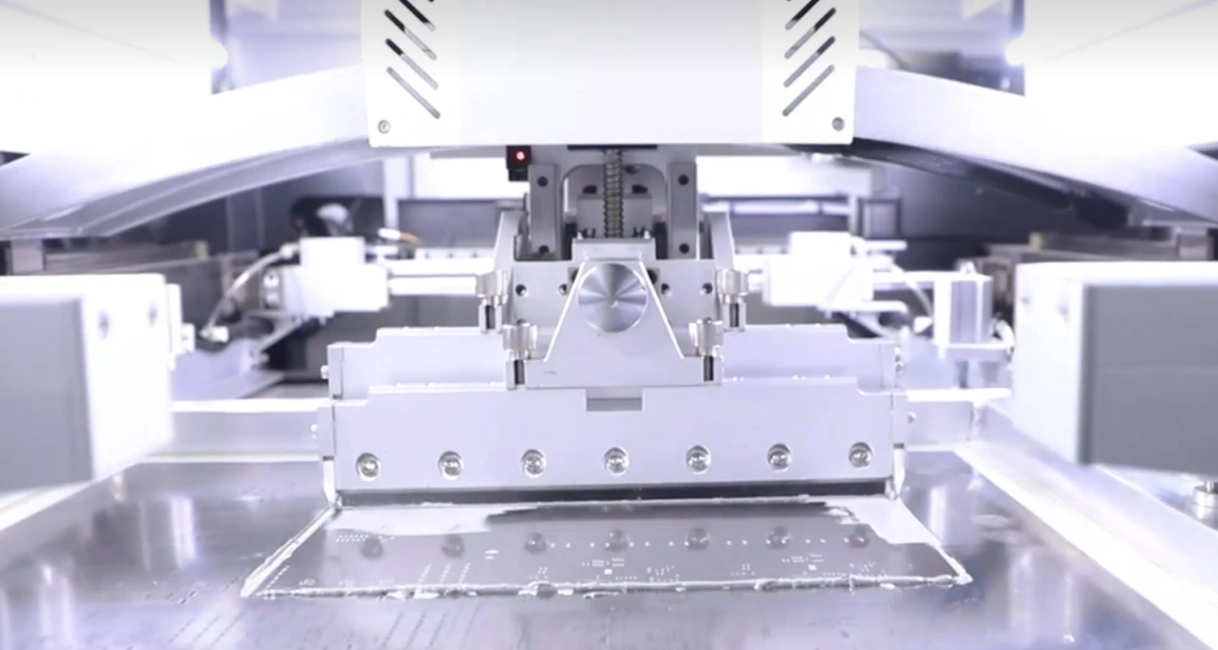
Solder paste shelf life depends on its formulation, packaging, and storage history. Check the product label and technical data sheet, then track what happens after the container leaves storage. A paste that remains within its expiry date can still become difficult to print or lose tack during use.
For production, plan around fresh material within its specified life. If a container has expired, overheated, dried out, or lost its handling record, set it aside for assessment before committing boards and components to the process.
How Long Does Solder Paste Last?
Sealed Shelf Life and Opened Material
Shelf life describes how long a product is expected to remain suitable under its specified storage conditions. The label connects that period to the particular material and lot. Opening, exposure, and processing introduce additional conditions.
Manufacturer examples show the range. Nordson EFD lists minimum refrigerated shelf lives of nine months for SolderPlus dispensing paste and twelve months for PrintPlus printing paste. Those figures apply to its named products under the recommended storage conditions. Nordson EFD solder-paste FAQ
Always identify the exact product before deciding on refrigeration or a replacement date. A familiar alloy designation such as SAC305 identifies the alloy composition, while the complete paste product also specifies the flux system and intended processing behavior.
Stencil Life and Placement Time
The paste experiences different environments as it moves through assembly.
| Stage | What the time limit describes | What to record |
|---|---|---|
| Sealed storage | Life in the specified unopened packaging and storage conditions | Product, lot, expiry date, and storage conditions |
| Conditioning | Preparation between controlled storage and use | Removal time and readiness for opening |
| Open-container use | Exposure after opening or dispensing | Opening time, handling, and remaining material |
| Stencil use | Performance while paste is worked across the stencil | Start time, pauses, and observed printing behavior |
| Printed-board waiting | Time between depositing paste and subsequent assembly operations | Printing, placement, and reflow times |
These records answer different questions. When parts begin moving during a long manual placement session, examine tack and the printed-board waiting time. When paste rolls poorly under the squeegee, examine its condition and the printing process.
Chip Quik’s TS391SNL provides a useful example of stated conditions. Its product page lists more than twelve months of shelf life and specifies room-temperature storage at 20–25°C. Its stencil-life figures also change with humidity, from more than twelve hours at 20–50% RH to more than four hours at 50–70% RH, both at 22–28°C. This illustrates why a working-time claim needs its environmental conditions. Chip Quik TS391SNL specifications
Why Solder Paste Changes During Storage
Flux and Powder Interaction
Solder paste contains metal powder suspended in a flux vehicle. The flux helps prepare the surfaces for soldering, while the vehicle gives the paste its handling characteristics. The mixture continues to change during storage.
Indium explains how interactions between activators and solder powder can contribute to particle agglomeration and increasing viscosity. Finer powders present more surface area for interaction. Aging can also affect how well solder particles coalesce during reflow. Indium’s explanation of solder-paste aging
This connects storage behavior with a production problem. A material that has become harder to dispense or print may require more pressure or repeated attempts, making it difficult to reproduce the previous deposit. Investigate that change before adjusting the entire process around the suspect material.
Temperature, Moisture, and Exposure
Storage history includes delivery, time outside controlled storage, and repeated handling. Record unusual heat exposure when it occurs so that the supplier can assess the actual event.
During use, keep lids and caps closed between withdrawals. Plan the amount issued for the job and avoid leaving a full container exposed while a small amount is being consumed. This also makes the material’s history easier to follow when a printing problem appears.
A small amount of separation can occur in some products. Strong separation, crusting, and persistent dryness deserve closer attention. Indium’s handling discussion explains these visual differences and why conditioning depends on container size. Indium storage and handling guidance
Store and Prepare Solder Paste Correctly
Match Storage to the Product and Lot
Use a designated, monitored storage location that meets the material instructions. Keep the product name, lot, and expiry visible. Organize stock so that the earliest acceptable expiry is considered first, and separate material awaiting a decision from material released for use.
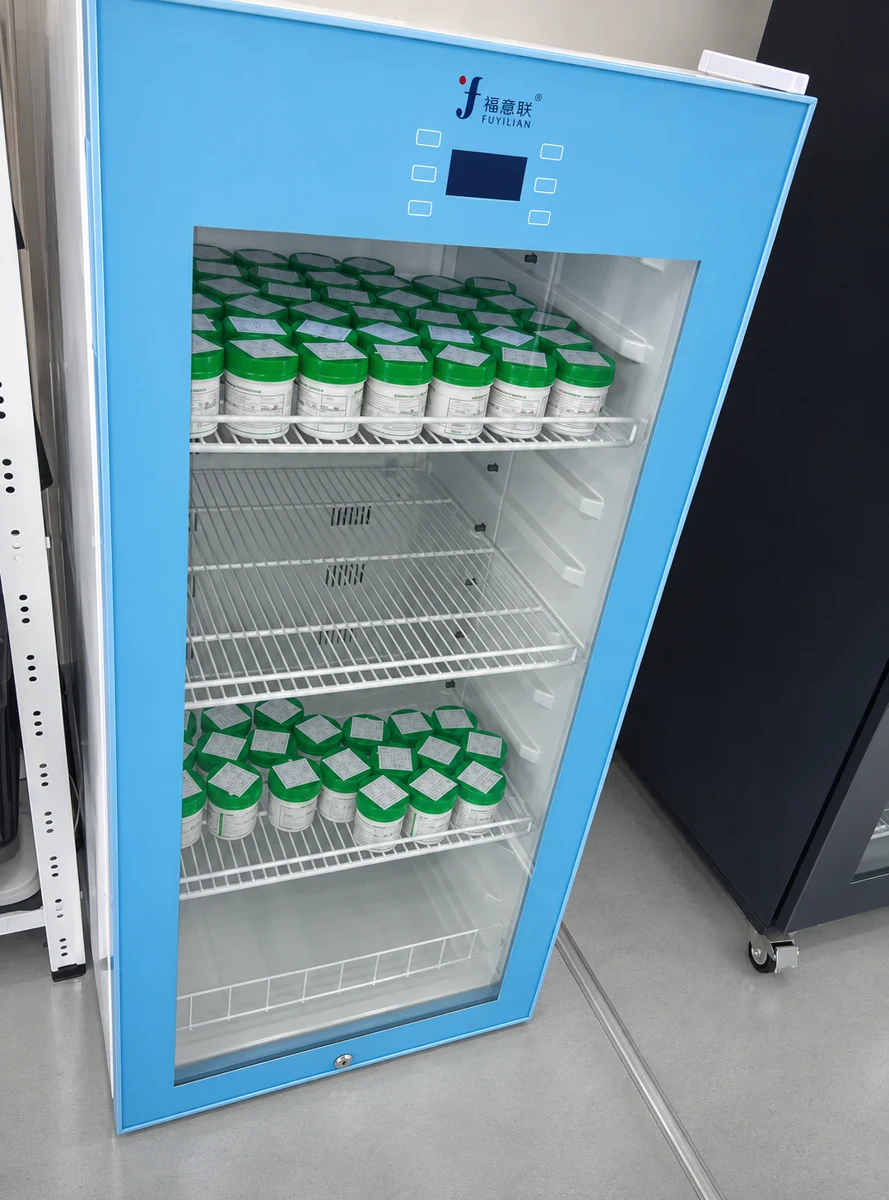
Store sealed containers under the conditions specified for the product.
For occasional work, choose a package that suits expected consumption. A smaller syringe may reduce the amount exposed during each job. For repeat printing, compare container size with the planned batch and expected usage. Include delivery reliability and handling effort when comparing the cost per gram.
Freezing requires a product-specific instruction. A refrigerator setting and a freezer setting create very different conditions. Check the allowed range before moving a container between them.
Warm the Sealed Container Before Opening
Allow refrigerated material to reach the specified working condition while it remains sealed. Opening cold paste in warmer air can introduce condensation. An apparently convenient shortcut can therefore change the material before printing begins.
Indium’s handling application note gives a typical conditioning period of at least two hours, extending to four for large or frozen containers. It also directs users to the product-specific requirements. Use that range to plan a shift, then establish the suitable preparation time for the actual container and environment. Indium storage and handling application note, R5
Schedule conditioning before the operator needs the paste. Keep it away from uncontrolled heaters, and prepare jars according to the supplier’s mixing instructions. Record when a container becomes available for use so the next operator can follow its history.
Handle Used Paste Separately
Paste recovered from a stencil has already experienced the printing environment. Keep it in an identified, separate container if the material supplier and process allow recovery. Returning it to fresh stock obscures the history of both portions.
A practical record can be brief. Use fields for product and lot, expiry, removal from storage, opening, first use, recovery status, and the final disposition. For an interrupted run, add the reason for the pause and what happened to paste remaining on the stencil.
This record helps a team compare a later defect with what actually changed during the job.
Can You Use Expired or Dried Solder Paste?
Check Condition and Process Performance
Passing an expiry date calls for a material decision. Review the storage record, product instructions, visible condition, and the intended use before trying it on a build.
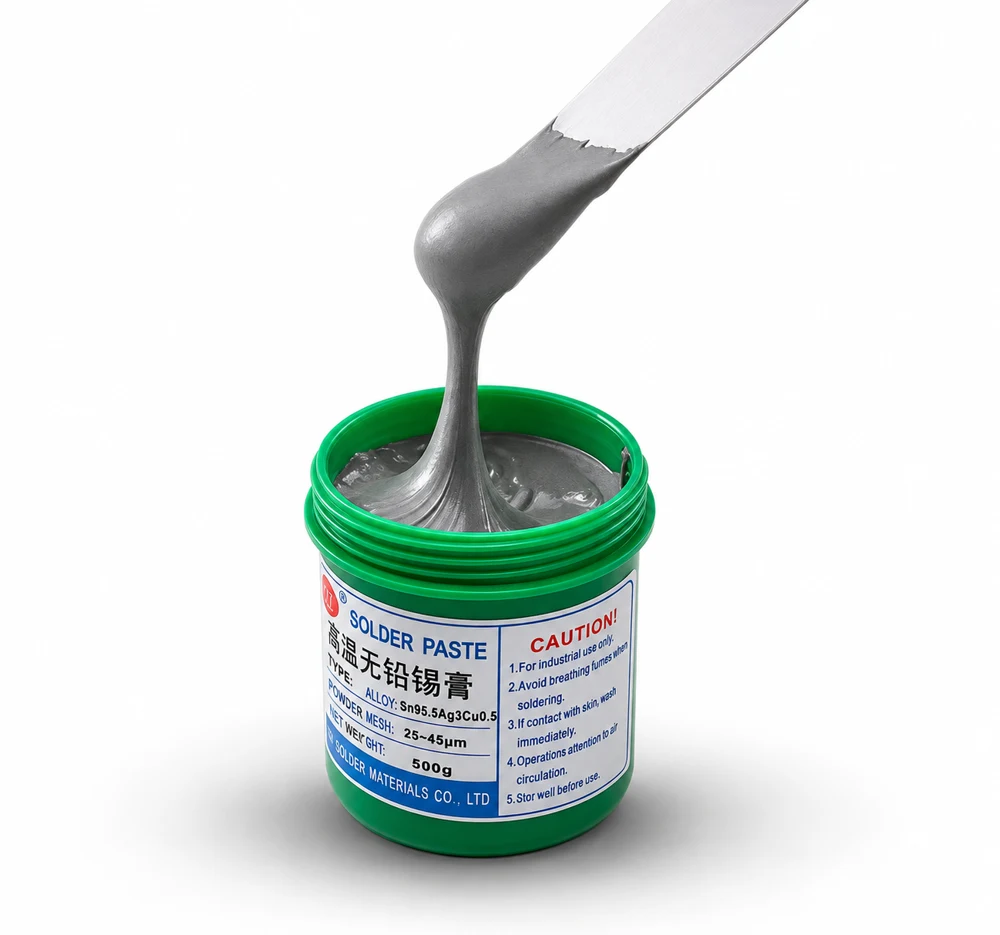
Examine paste condition alongside its storage history and process performance.
A comparison with fresh material can make the investigation more useful. Keep the board, stencil, application method, and reflow settings consistent where possible. Document which material was used for each trial so that an apparent improvement can be traced to the change.
| Observation | What to investigate | Practical next step |
|---|---|---|
| Paste releases poorly from apertures | Conditioning, paste condition, stencil cleanliness, and setup | Check preparation and printing, then compare with fresh material |
| Paste has a crust or persistent dry lumps | Exposure history and handling | Set the material aside and review replacement or supplier assessment |
| Parts lose position during placement | Tack, handling, component weight, and the elapsed assembly time | Shorten the sequence and evaluate a suitable material |
| Reflow leaves unusual particles or inconsistent joints | Material condition, deposits, board surfaces, and thermal profile | Compare controlled trials and inspect the resulting joints |
| Material history is missing | Whether suitability can be established for the job | Use known material for production while the uncertain container is assessed |
The table helps organize an investigation. For deposit-related problems, the companion guide to solder-paste printing and stencil checks covers the equipment and aperture factors in more detail.
Decide When Replacement Is the Better Choice
For a customer production run, replacement is often the simpler choice when the material’s suitability is uncertain. Compare the value of the remaining paste with the boards, components, operator time, and possible rework tied to the batch.
For a planned requalification, assess printing or dispensing and the completed soldering process. Nordson EFD advises users considering expired paste to run test boards or parts through the entire production process. The evaluation should represent the actual job. Nordson EFD guidance on expired paste
Record the decision before starting the production batch. Identify the material assessed, the checks performed, the accepted application, and the person responsible for release.
Should You Add Flux to Old Solder Paste?
Adding flux changes the balance of metal powder and vehicle. It may make a mixture easier to spread while also changing printing behavior, deposits, and residues. Any adjustment needs a compatible material and a defined mixing method.
For assembly work, our recommendation is to use the paste as supplied and follow the manufacturer’s preparation instructions. If the supplier provides an approved adjustment procedure, follow its proportions and application limits, then check the resulting performance.
When a small amount of paste has become troublesome, replacing it usually avoids the work of qualifying a modified mixture. EPTAC also addresses why adding fresh flux requires care when evaluating old solder materials. EPTAC’s solder-expiration discussion
The separate guide to flux in PCB soldering explains the role of flux and the differences between flux products.
GreatPCB’s Recommendations Before Assembly
Plan Material Use Around the Build
For prototype and low-volume projects, match the package size and material preparation to the batch. Prepare components and assembly information before printing so the board can progress through placement and reflow within the planned working window.
For repeated builds, keep the paste identification connected to the work order. A simple handover record should tell the next operator which material is in use, when it was prepared, and whether anything unusual occurred.
We recommend using fresh, correctly stored material within its specified life for customer production. Where a process requires a particular alloy, flux classification, or approved paste, identify it in the build requirements before materials are selected.
Investigate Changes Before Releasing the Batch
If deposits or soldering results begin to change, pause and compare the material, stencil condition, setup, and thermal process. Changing several settings at once makes the cause harder to establish.
For an assembly inquiry, share the BOM, build quantity, relevant component requirements, and any specified solder material or inspection criteria. GreatPCB’s PCB assembly services provide a route to discuss how those requirements fit the planned build.
FAQ
Can solder paste be frozen?
Follow the exact product instructions. Some formulations permit frozen storage, while others specify that freezing should be avoided. Choose the storage condition from the material documentation before placing it in a freezer.
Can I put an opened container back in the refrigerator?
Check the supplier’s instructions for that formulation and its remaining usable life. Avoid creating an uncontrolled cycle of cooling, opening, and warming. Keep the container closed and identify its exposure history whenever it changes storage condition.
Can printed boards or paste on a stencil wait overnight?
An overnight hold needs a defined process for the particular material, environment, and assembly. Check the permitted working or waiting time and assess performance after the hold. Plan smaller print batches when assembly cannot proceed within that window.
Why does paste dry out before its expiry date?
The expiry date assumes the specified storage conditions. An opened container or printed deposit has a different exposure history. Review temperature, air movement, handling, and time during use, then compare the material with its product instructions.
Tags
Related Posts
PCBA Prototype
November 13, 2026

PCBA Prototype
November 5, 2026