
The quick answer
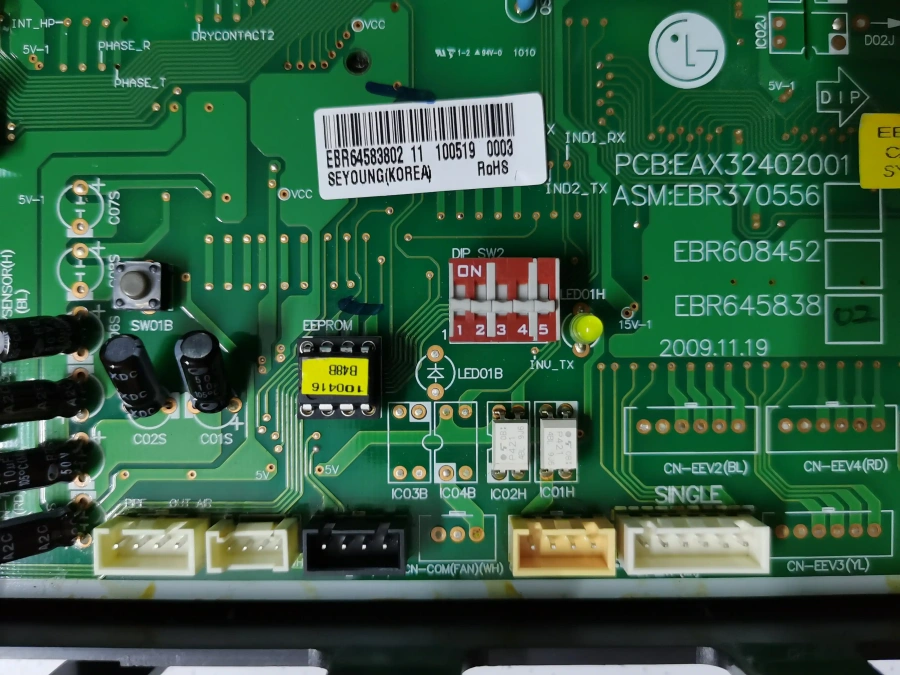
Turnkey PCB assembly is an arrangement in which one manufacturing partner coordinates bare PCB supply, component sourcing, assembly, and the inspection or testing agreed for the order. You provide the design package and approve the sourcing rules, changes and acceptance criteria.
01 / BUILD PLANNING
What does turnkey PCB assembly include?
Turnkey PCB assembly means one manufacturing partner coordinates the bare board and component supply, assembly, and the inspection or testing agreed for the order. Depending on the quoted scope, that partner may procure and fabricate the bare PCB, source components, assemble surface-mount (SMT) and through-hole (THT) parts, and perform specified checks. The customer remains responsible for the design and for approving any changes to it. “Turnkey” describes how production responsibilities are arranged; it does not transfer design ownership or make every service automatic.
The term is used alongside partial-turnkey and consigned models. The key distinction is who buys the components. In a consigned order, the customer supplies the parts. In partial turnkey, the customer and supplier divide component sourcing. In full turnkey, the supplier sources the components within the agreed bill of materials and purchasing plan. GreatPCB’s comparison of consigned and turnkey PCBA models explains these supply arrangements.
| Model | Who supplies parts? | Customer responsibility | Typical fit |
|---|---|---|---|
| Full turnkey | Supplier sources the components; board fabrication may also be included. | Provide design and approved BOM; review substitutions and other changes. | One purchasing and production contact is preferred. |
| Partial turnkey | Supplier and customer each provide agreed components. | Supply assigned parts and confirm quantities, condition, and delivery. | Some parts are already in stock or controlled by the customer. |
| Consigned | Customer supplies the components. | Provide the complete, usable kit and resolve shortages or incorrect parts. | Parts are customer-selected, allocated, or already purchased. |
Before comparing quotes, check which production stages are included. PCB fabrication, component procurement, SMT or THT assembly, and testing can be offered in different combinations. Ask whether the supplier is quoting only assembly or also the bare board, and identify any customer-supplied parts. GreatPCB lists these capabilities with scope dependent on the project; the service name alone does not establish that each one is included.
Turnkey also does not automatically mean product design, regulatory certification, enclosure or box build, firmware development, or unlimited functional testing. Functional tests require an agreed method, fixtures or test access where needed, and defined acceptance criteria. State the required inspection and test level in the contract or quote, along with any services outside the build. This gives engineering and procurement a shared boundary for responsibility while leaving the design and its approval with the customer.
02 / BUILD PLANNING
Prepare the files, then release the build
A quote can only be as reliable as the package behind it. Give the assembler one controlled release that ties board fabrication data, component intent, placement, assembly notes, and acceptance requirements to the same design revision. The Bittele file specification lists common fabrication and assembly inputs; confirm the preferred formats and any extra fields with the supplier before exporting.
| File | What to include | Control point |
|---|---|---|
| Fabrication package | Gerber or ODB++ data, drill files, board outline, stackup, and finish requirements. | Check layer names, units, outline continuity, and that the package describes the released board revision. |
| BOM | MPN, reference designators, quantity, package, DNP status, and rules for approved alternates. | Use one unambiguous line per part choice; identify who may approve substitutions. |
| Placement file | XY coordinates, origin, units, board side, rotation, and reference designator. | Keep coordinate and rotation conventions consistent with the CAD export and fabrication data. |
| Assembly drawing | Polarity, orientation, special parts, hand-fit items, and assembly notes. | Use it to resolve details that are unclear from the board data; label top and bottom views. |
| Test package | Firmware or configuration, test procedure, fixture needs, and pass/fail criteria. | State which checks are required for this build and what result records will be returned. |
Export each file from the same approved CAD release and identify the revision in the filename or release manifest. For example, an illustrative set might be Controller_RevC_Fab.zip, Controller_RevC_BOM.csv, Controller_RevC_CPL.csv, Controller_RevC_Assembly.pdf, and Controller_RevC_Test.pdf. If the BOM is still labeled RevB while the other files say RevC, stop release and reconcile the difference; a plausible filename does not prove the contents match. Record the approved set and date so procurement and production use the same package.
A practical release sequence is:
STEP 01
Review and reconcile. Compare board outline and revision, BOM references, placement coordinates, and drawing notes. Resolve missing or conflicting data with engineering.
STEP 02
Approve scope. Confirm which parts the supplier will source, which stages are included, and the inspection and test expectations before issuing the purchase order.
STEP 03
Source and fabricate. Once the released files and scope are approved, component sourcing and bare-board fabrication may proceed in parallel where the supplier’s process allows.
STEP 04
Assemble. Production may include stencil preparation, SMT placement and reflow, then through-hole work where applicable, according to the approved build instructions.
STEP 05
Inspect, test, and approve. Complete the agreed inspection and test, review the first article against the release package, then authorize controlled repeat production.
GreatPCB’s PCB assembly overview describes a coordinated workflow from fabrication and sourcing through assembly and inspection. Your order still needs to state the actual scope and acceptance gate: a general service description does not define your product’s test coverage or authorize a design change. Keep those decisions with the release record, and send revised files as a new controlled package rather than replacing individual files without notice.


03 / BUILD PLANNING
Control component sourcing and substitutions
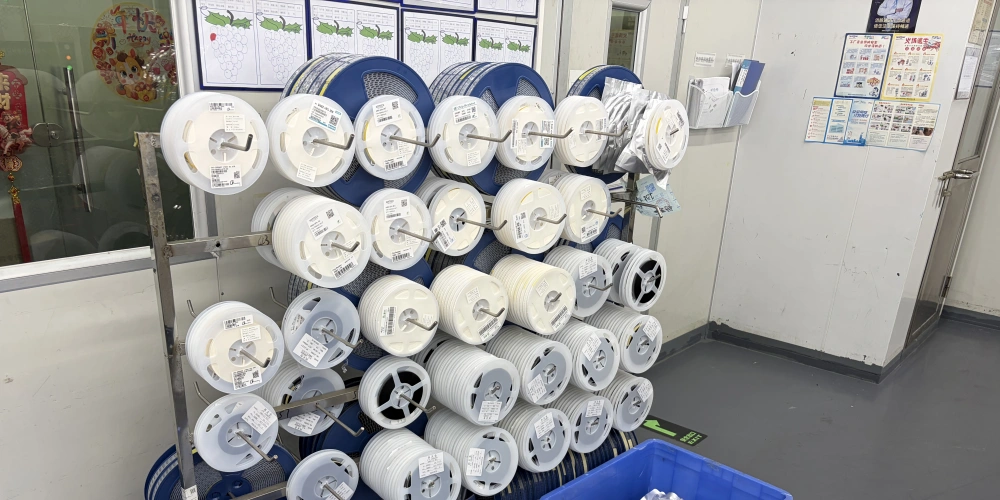
Turnkey assembly moves purchasing work to the assembler while customer engineering controls design changes. Establish a purchasing policy before any BOM line is ordered. GreatPCB offers component sourcing and parts management; confirm the sources, records and approval gates required for your build in the purchase order.
Before release, document four controls for each project:
CONTROL 01
Sourcing channel and records. Identify who buys each line and the permitted channel, such as a named manufacturer, authorized distributor, or customer-designated source. Specify which records the project requires, for example manufacturer and part number, lot or date code, supplier, and applicable certificates or inspection records. Match the evidence to the component and product requirements; do not assume a generic certificate proves every requirement.
CONTROL 02
Alternate-part approval. Require written customer engineering approval before an alternate MPN is purchased or fitted. Review footprint and pinout, electrical ratings, tolerances, operating temperature, timing, and firmware or configuration dependencies where relevant. A similar package or headline rating alone does not establish compatibility.
CONTROL 03
Handling and storage. Define moisture-sensitive device, ESD, and storage controls from the component documentation and the product’s process requirements. Agree how the assembler records handling status and disposition when packaging is opened or a handling limit is exceeded. Avoid inventing one storage rule for every component.
CONTROL 04
Shortage and excess disposition. State who owns parts bought against minimum order quantities or forecast demand, and who bears unused or attrition quantities. Set out whether excess parts may be returned, retained for a later build, or scrapped, and who authorizes cancellation or a changed quantity. Confirm these terms before purchasing begins.
Illustrative BOM hold, not a customer case: a proposed replacement IC has the same footprint as the specified part but a different pinout. The assembler should stop that BOM line and request engineering review; it should not treat package similarity as permission to substitute. If the change requires a board or design revision, record that work and obtain approval before assembly resumes.
Compact substitution record: original MPN; proposed MPN; reason; affected reference designators; engineering approval; date; and drawing/BOM revision. Link the record to the purchase order and build lot so the approved decision can be matched to the parts actually installed.
04 / BUILD PLANNING
Compare the full cost and a realistic delivery schedule
A useful turnkey quote shows the cost and timing for the same build scope. Compare offers using the same quantity, board revision, sourcing responsibility, inspection and test requirements, and delivery destination. A low assembly charge can leave board fabrication, component purchasing, setup, or freight outside the quoted total. Ask the supplier to identify included and excluded charges before treating two totals as comparable.
For planning, account for the bare PCBs, components, assembly, agreed inspection and test, one-time tooling or setup, shipping, and applicable taxes. Depending on the destination and commercial terms, duties or other import charges may also affect the landed amount.
| Cost item | What to compare |
|---|---|
| BOM and sourcing | Approved manufacturer part numbers, quantities, sourcing channel, excess-buy policy, and treatment of shortages. |
| Board fabrication | Construction, layer count, finish, panelization, and quantity included. |
| Assembly | SMT and THT scope, unique components, placement count, and assembly sides. |
| Inspection and test | Required inspection, test program or fixture charges, and any per-board test time. |
| Tooling and setup | Stencil or other non-recurring engineering charges, and whether tooling can be reused on repeat orders. |
| Delivery | Packing, freight, duties, taxes, and commercial terms for the destination. |
For an internal comparison, calculate landed cost per accepted assembly as agreed total project cost divided by accepted quantity. Use the same acceptance basis and include all agreed project charges in the numerator; otherwise the result can hide differences in scope or yield assumptions.
Build timing is usually governed by the longest readiness path. Board fabrication and component procurement may proceed in parallel after release, followed by assembly and the agreed testing, then shipping. Do not simply add every operation’s quoted duration when some overlap. Confirm when the lead-time clock starts, which approvals or files are prerequisites, and whether component stock is reserved for the order. GreatPCB notes that lead time depends on stackup, process, quantity, and parts availability; manufacturing also spans fabrication, procurement, production, testing, and packaging.
An unavailable IC can hold the build even when bare boards are ready. Discuss whether to approve an alternate, pre-purchase the part, or reschedule. A partial build should happen only if both parties agree on its scope and handling. Ask for manufacturing time separately from the estimated delivered date, and check how long the quote remains valid.
05 / BUILD PLANNING
Define inspection, testing and acceptance before ordering
Inspection and test answer different questions. Visual inspection checks observable assembly features, while electrical or functional tests check behavior within a defined procedure. Agree on the required methods, their coverage, and the pass criteria before production. A method name alone does not define how much of the order is checked or what happens when a board fails.
| Method | What it can check | What it does not establish by itself |
|---|---|---|
| Automated optical inspection (AOI) | Visible component placement, orientation, and solder-joint features within the programmed inspection scope. | Electrical operation or complete functional performance. |
| X-ray inspection (AXI) | Selected hidden solder joints or features that optical methods cannot see, such as certain package connections. | Firmware behavior or whole-board operation. |
| In-circuit test (ICT) or flying probe | Electrical checks at accessible test points, subject to board access and the agreed program. | Checks that require unavailable test access or a functional procedure. |
| Functional test | Operation in the modes and limits defined by the agreed procedure, often using a fixture or test setup. | Behavior outside the tested modes, limits, firmware version, or acceptance conditions. |
Ask which inspections and tests are proposed, whether they cover every assembly or a sample, and whether programming, fixtures, reports, and retesting are included. GreatPCB describes visual inspection, AOI, flying-probe, X-ray, and functional testing as available methods; the project plan and quote should confirm the selected scope. Its assembly service also indicates that testing follows the customer’s plan and that reports can be provided. See the assembly testing methods and assembly service scope.
When a workmanship standard matters, identify the standard and revision, the agreed class, and how it applies to the order. IPC describes J-STD-001 as requirements for soldering processes and materials, and IPC-A-610 as criteria for assembly acceptability. Those references do not mean every order is automatically built or inspected to a particular class. IPC’s overview of J-STD-001 and IPC-A-610 explains their distinct roles.
Put the acceptance basis in the purchase order or approved build documents. Specify inspection extent and required records; test procedure, firmware version, fixture, and pass/fail thresholds; and how failed units, rework, retest, and retained records are handled. For a first article, define what evidence is needed for release. For repeat orders, identify the approved revision and baseline so a later file or process change is reviewed before it becomes the production reference.

Questions before you send the order
How long does turnkey assembly take?
Timing depends on board construction, quantity, component availability, approvals, assembly, agreed testing, and shipping. Ask for manufacturing time and estimated delivery separately, and confirm when the clock starts.
Is functional testing included?
Only when the quote or order confirms it. Agree on the procedure, firmware, fixture needs, test extent, and pass criteria; a generic “tested” statement does not define those details.
Does turnkey include design or box build?
Not by default. Confirm any engineering, enclosure, firmware, or box-build work separately, with its deliverables and acceptance requirements listed in the agreed scope.
Once the RFQ scope and acceptance criteria are clear, contact GreatPCB to review the fabrication, sourcing, assembly, and test requirements for your project before releasing the order.