
PCB ASSEMBLY SUPPORT
PCB Conformal Coating Services
Protect assembled circuit boards against the conditions they are designed to encounter. GreatPCB offers conformal coating as part of PCB assembly services, with the material, coverage and acceptance requirements reviewed for each project.
Share your assembly files and coating requirements with our team to discuss a quote.
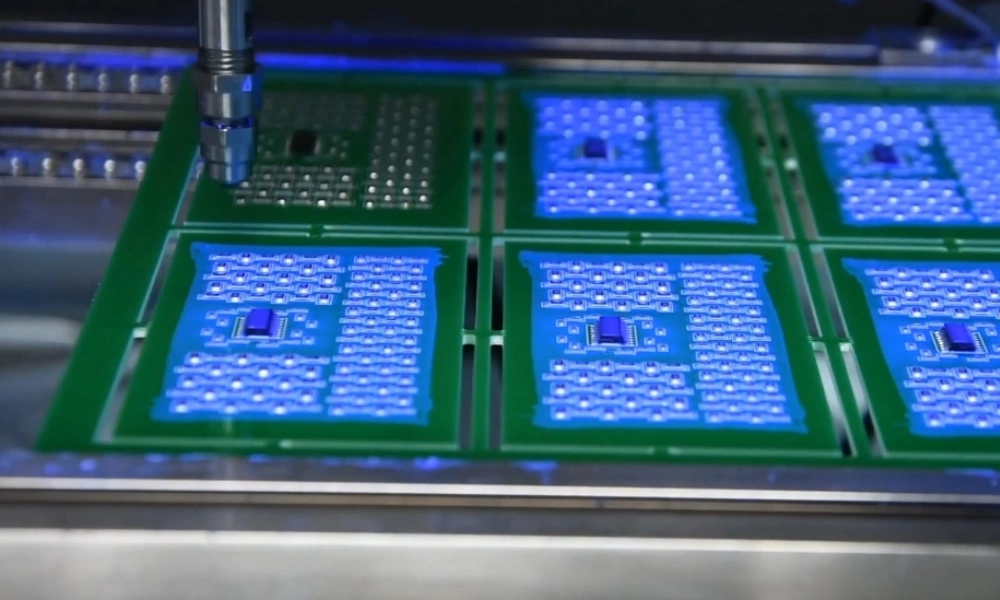
Illustrative coating application on assembled boards.
Plan Coating with PCB Assembly
Conformal coating adds a protective film to selected surfaces of an assembled board. It can reduce the exposure of circuitry, component leads and solder joints to moisture and contamination while leaving specified interfaces accessible.
Planning the coating alongside PCB assembly helps define when the board needs inspection and electrical testing, which surfaces require protection, and what information must accompany the finished assembly. The appropriate sequence depends on the board, material and test plan. Our assembly process overview describes the broader manufacturing flow.
If you already have populated boards and need coating only, tell us about their condition, quantity and history so we can review the request.
Define the Operating Environment
Start with the conditions the product will actually see. An industrial controller inside a cabinet may encounter condensation or airborne contaminants; a device near a cleaning process may face particular chemicals. Temperature changes, vibration, humidity and expected service life can also affect the choice of material and the way protection is verified.
Describe the exposure as specifically as possible: the substance, concentration, temperature and duration where known. A coating can reduce exposure, but it is not a substitute for an appropriate enclosure or a guarantee of waterproofing. For the relationship between board fabrication and protection after assembly, see solder mask vs. conformal coating.
Select a Material and Application Approach
The coating specification should take account of the operating environment, board materials, components, application geometry and future repair. Acrylic, urethane and silicone are examples of coating families; individual formulations within each family differ. A coating that is easier to remove for repair may not have the same resistance to a particular solvent as another formulation.
Application approaches such as selective spray, dipping and brushing have different implications for coverage, masking and access around components. The selected product and assembly design determine the practical approach. If you have a specified coating, provide its manufacturer and product designation. If not, share the exposure and service requirements so the options can be discussed for your project.
| Coating family | Often considered for | Project consideration |
|---|---|---|
| Acrylic | General protection and repair access | Check resistance to the specific chemicals involved. |
| Urethane | Chemical and abrasion exposure | Plan removal and repair before production. |
| Silicone | Flexibility and temperature cycling | Review adhesion, abrasion and repair requirements. |
Mark Coating Areas and Keep-Outs
A clear coating drawing helps protect the circuitry without interfering with connections or later tests. Identify the surfaces to coat and the exact boundaries that must remain free of material. Depending on the design, these may include connector mating contacts, edge contacts, switches, adjustable parts, sensors, mounting interfaces and selected test points.
Not every part of a connector necessarily has the same requirement: its mating contacts may need to remain clear while adjacent solder joints require protection. Indicate whether test points are used only before coating or must remain available afterward. Mark critical boundaries on an assembly drawing or annotated image and identify any parts sensitive to masking materials or cleaning.
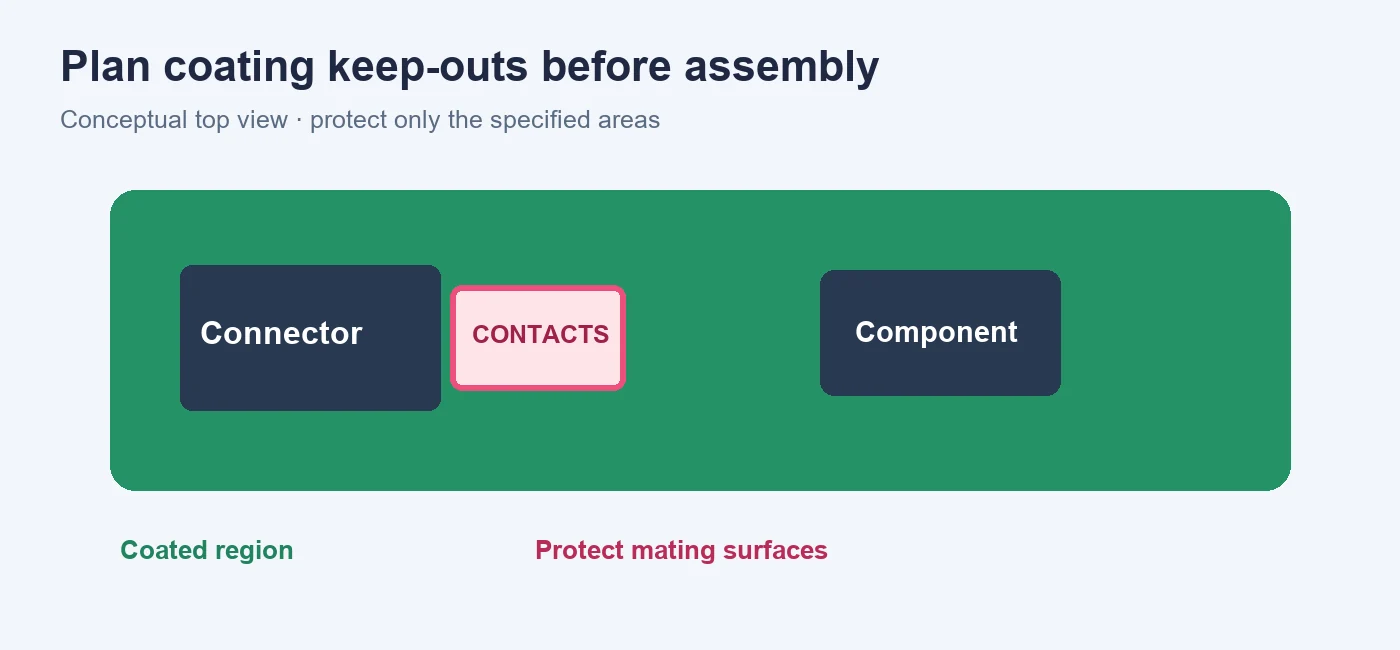
Conceptual illustration: identify contact surfaces and other keep-outs on the coating drawing.
From Assembly to a Cured Coating
The coating plan connects surface condition, coverage and curing to the assembly’s inspection and test requirements. A typical project review considers the following steps:
Plan electrical testing around the required access. Some tests are best completed before coating; any post-coating test needs accessible points and an agreed method. Our PCB testing services cover inspection and electrical checks for assembly projects.
Define Acceptance and Repair Requirements
Agree on the coating drawing, acceptable coverage, keep-out boundaries and any required thickness, measurement locations or records before production. A fluorescent tracer can help reveal coating under UV light when the selected material contains one; visible fluorescence alone does not establish thickness, adhesion or full cure.
If future component replacement is likely, discuss the repair plan before selecting the material. Local repair can involve removing coating around the affected area, repairing the assembly, preparing the surface, recoating and checking the restored area. The removal method must suit the coating and nearby components. Tell us if access for repair or recoating is part of your project requirement.
Coating Thickness and Cure: Practical Numbers
Dry film thickness is commonly expressed in micrometres or mils. For reference, 1 mil = 25.4 μm. MG Chemicals describes a typical range of 1–5 mils (25.4–127 μm) across conformal coatings. The actual target depends on the specified product and project requirements.
Dry-to-handle and full-cure times can differ substantially. For example, MG Chemicals 422B liquid is described as ready to handle in about 8 minutes, with a 48-hour room-temperature cure or 20 minutes at 65 °C after the specified initial wait. This is a product-specific example, not a schedule for every coating or assembly.
Conformal Coating and Potting
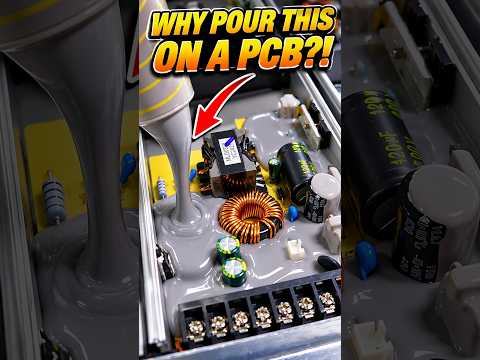
Conformal coating forms a thin film over selected areas of an assembly. Potting uses a larger volume of compound around components, often within a housing. The right choice depends on protection, weight, access and repair requirements.
Watch GreatPCB’s short introduction to PCB potting, a related protection method.
Frequently Asked Questions
Can conformal coating be included with PCB assembly?
Yes. GreatPCB offers conformal coating as part of PCB assembly. Share the assembly and coating requirements together so the scope, process sequence and quotation can be reviewed.
Can you coat boards supplied by the customer?
Contact us with the board condition, quantity, assembly history and coating requirements. We will review whether the project can be supported.
Do connector contacts and test points need to be masked?
Contacts that must make an electrical connection generally need to remain free of coating. Test point requirements depend on when they are used. Mark the exact areas and boundaries on your drawing.
Can a coated PCB be repaired?
Repair may be possible, but the method depends on the coating and nearby components. Include repair and recoating expectations in the initial specification.