
Consigned & Partial Turnkey PCB Assembly
Already have the components for your next PCB build? GreatPCB supports consigned and partial turnkey PCB assembly, so you can provide the parts you have while coordinating board fabrication, component sourcing and assembly for the rest of your project.
Whether you are preparing prototypes, a pilot run or repeat small batches, start with a BOM that identifies who supplies each part. We can review the assembly scope, required files and material plan alongside your project requirements.
Send your BOM, PCB files, build quantity and the list of customer-supplied components.
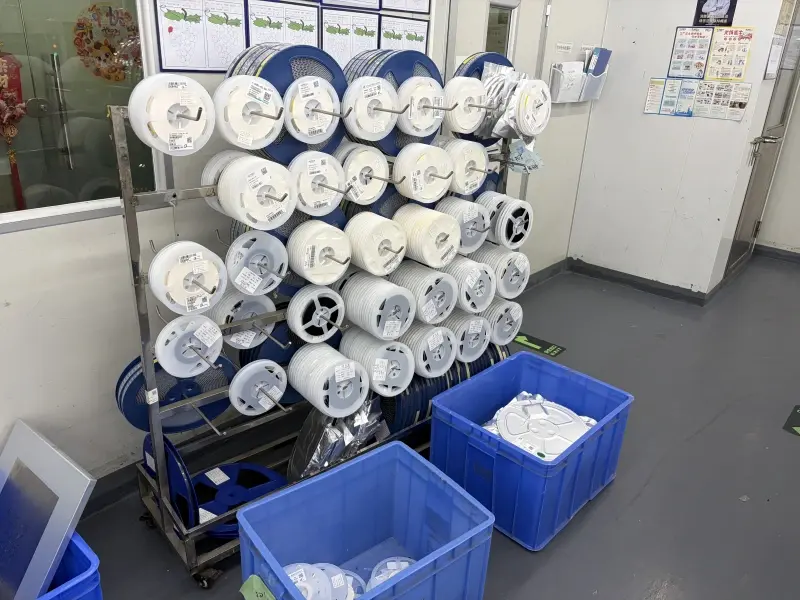
Choose how your components are supplied
Some customers prefer to provide a complete set of components. Others hold a few critical parts and need the remaining BOM items sourced for them. Both approaches can be discussed as part of the assembly quotation.
| Assembly model | Components | Bare PCB | Assembly |
|---|---|---|---|
| Consigned assembly | You provide all or the agreed components. | Customer-supplied or fabricated as agreed. | GreatPCB assembles the boards to the agreed scope. |
| Partial turnkey | You provide selected components; GreatPCB sources the remaining agreed BOM items. | Supplied or fabricated as agreed. | GreatPCB coordinates assembly and the agreed checks. |
| Full turnkey | GreatPCB sources the components under the agreed purchasing plan. | Fabricated or supplied within the quoted scope. | GreatPCB coordinates assembly and the agreed checks. |
The board and component supply arrangements can be specified separately. For a fuller comparison, see our Turnkey PCB Assembly Guide.
Use Components You Already Have
If you have parts in stock for a prototype or repeat order, identify the manufacturer part numbers, quantities and package formats in your build package. This helps connect your existing inventory to the assembly requirements.
Keep Control of Selected Parts
You may want to supply a programmed device, a custom connector or an IC purchased through a preferred channel. With partial turnkey assembly, those selected parts can be customer-supplied while the remaining BOM lines are sourced under the agreed plan.
Support Prototype and Small-Batch Builds
Customer-supplied parts can be useful for development builds and specialized products where quantities or sourcing needs change between revisions. For batch planning and repeat orders, see our low-volume PCB assembly service.
PCB assembly services for your project
GreatPCB combines customer-supplied material arrangements with PCB fabrication and assembly services. Define the required operations in your enquiry so the quotation reflects the boards you need delivered.
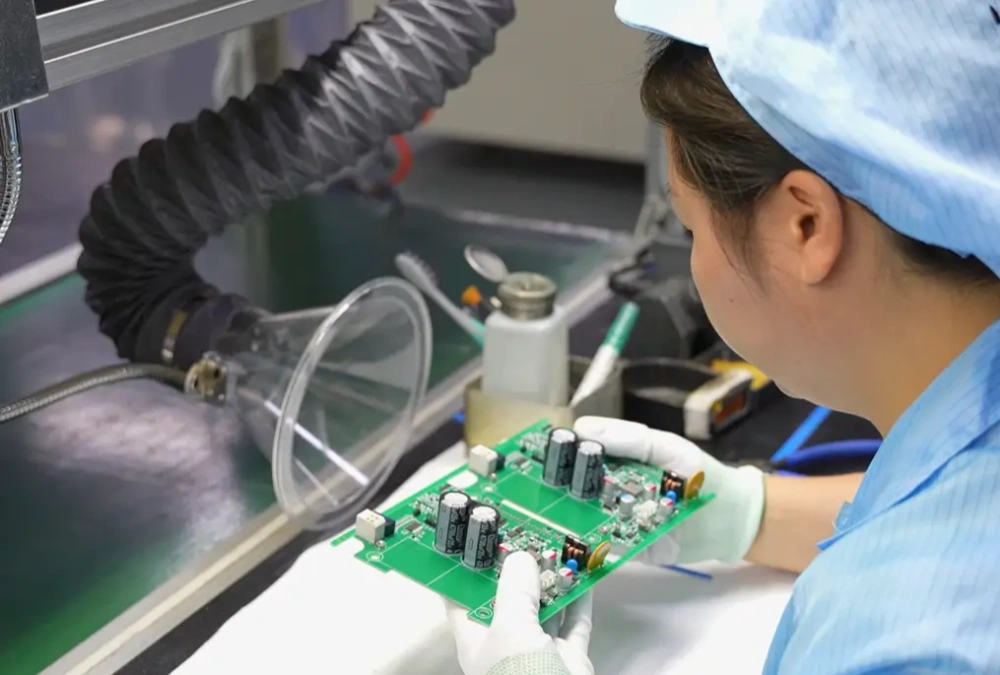
SMT and Through-Hole Assembly
Surface-mount components, connectors and other leaded parts can be brought together in the same build. Share the component packages, assembly drawings and any special placement or soldering requirements. Learn more about through-hole and mixed-technology assembly.
Component Sourcing
For partial turnkey projects, identify the BOM items GreatPCB should source and provide the approved manufacturer part numbers. If alternatives are permitted, include the approved part numbers or specify how proposed substitutions should be reviewed. Explore our component sourcing service.
Inspection, Programming and Testing
The assembly plan can include inspection, IC programming and testing according to the order. If your product needs a functional test, provide the procedure, firmware, fixtures and pass/fail criteria relevant to the build. See PCB assembly testing for an overview of the methods.
Mark supply responsibility on your BOM
A clear sourcing column helps connect your component kit to the assembly plan.
A clear sourcing column helps identify the parts included in your kit and the items to be purchased for the order. Keep the BOM, PCB files, placement data and assembly drawing aligned to the same board revision and build variant.
The example below shows one way to organize the information:
| Reference | Manufacturer part number | Quantity per board | Supply responsibility |
|---|---|---|---|
| U1 | Approved controller part number | 1 | Customer supplied |
| R1–R10 | Approved resistor part number | 10 | GreatPCB sourced |
| J1 | Approved connector part number | 1 | Customer supplied |
List the PCB itself separately: indicate whether you will supply bare boards or need them fabricated as part of the order. Identify do-not-populate positions, approved alternatives and any components that must be programmed before assembly.
Prepare your components for assembly
Identify Each Part and Quantity
Label each package so it can be matched to the BOM. Include the manufacturer part number, quantity and relevant reference designators or BOM line. Keep similar-looking parts and different part numbers separately identified.
If the order has more than one board revision or product variant, indicate which materials belong to each build. A packing list can help communicate the contents of the shipment and identify parts arriving separately.
For example, if one PCB design has two product variants, list the fitted and do-not-populate positions for each variant and identify the components intended for each kit. A shared reference designator alone does not establish that the same part is used on both variants.
Share the Packaging Format
Components may arrive on reels, cut tape, trays or in tubes. Tell us the packaging format when requesting a quote, particularly for small components or partial reels. Discuss loose parts before sending them so the assembly approach can be reviewed for the package and quantity.
Keep original labels and suitable protective packaging where available. If a component has moisture-sensitive, ESD or other handling requirements, provide the relevant instructions and available handling information with the kit.
Plan for Extra Components
The number of parts needed for a build may exceed the quantity fitted to the finished boards. Setup, handling and assembly can require additional pieces, and the allowance can vary with the component, packaging and build size. Share the available quantity for each item and discuss the extra parts needed before shipment.

Packaging formats and quantities are part of the assembly plan.
From your files and components to finished assemblies
Bring the files, supply plan and assembly requirements together before production.
- 01
Send the Build Package
Provide the BOM, PCB fabrication data, placement file and assembly drawings, together with the required build quantity and delivery target. Mark customer-supplied parts and specify whether the bare boards are included.
- 02
Define the Sourcing Plan
Identify the remaining parts to be sourced, approved part numbers and any substitution restrictions. Discuss quantities, packaging, inspection and test requirements as part of the quotation.
- 03
Prepare and Deliver the Materials
Organize the components by part number and provide a matching packing list. If materials will arrive in more than one shipment, share the expected delivery information with the project team.
- 04
Assemble and Check the Boards
The agreed build may include SMT placement, through-hole assembly and inspection. Programming or functional testing can be included when their procedures and requirements are defined for the project.
- 05
Arrange Delivery and Remaining Materials
Confirm the finished quantity, packing and delivery requirements. Discuss how unused customer-supplied components, bare boards or tooling should be handled as part of the order.
What happens if a kit is incomplete?
A missing part, an unclear label or a quantity that does not match the BOM can affect production readiness. Identify the affected BOM line and agree on the next step: send additional parts, revise the build quantity or request sourcing of an approved part.
For proposed alternatives, establish the approval route before purchasing or assembly. A similar-looking package or component value does not by itself establish that a replacement is suitable for the design.
When materials arrive in separate shipments, a part-by-part supply list and the expected arrival dates help the team plan around the last required items. If only part of the kit is available, discuss whether a partial build is practical and what quantity it would cover before changing the schedule.
What affects your quote and schedule?
Consigned and partial turnkey quotations depend on the complete build scope, not only the number of components supplied. Key factors include PCB construction, quantity, component packages, assembly sides, material availability, preparation and the required inspection or testing.
Supplying existing inventory can reduce the number of parts that need to be purchased for a new order, while the project still needs to account for kit preparation, shipping, any additional parts and assembly work. With partial turnkey, the sourcing plan should make clear which costs and delivery responsibilities belong to each party.
When comparing quotations, check which items are included: bare boards, sourced parts, setup, assembly, testing, shipping and any agreed handling of remaining materials. See our PCB assembly cost guide for the wider cost breakdown.
Frequently asked questions
Can I supply only some of the components?
Yes. Under a partial turnkey arrangement, you can identify the parts you will provide and the remaining approved BOM lines you would like GreatPCB to source.
Do I need to provide the bare PCBs?
Not necessarily. State whether you will supply the boards or want PCB fabrication included in the quotation. The board supply arrangement can be agreed separately from the component sourcing split.
How many extra components should I send?
The allowance depends on the part, package, material format and build quantity. Provide the available quantities and discuss the required allowance for your order before sending the kit.
Can I provide loose components?
Share the component type, quantity and packaging details before shipment. The suitable preparation and assembly approach depend on the parts and production requirements.
Can GreatPCB source a replacement for a missing part?
If a part is missing or unavailable, discuss the sourcing options and provide approved alternatives or the required customer approval process before a different part is purchased or fitted.
Can testing be included?
Inspection and testing can be planned with the assembly scope. Share the methods, test procedure, equipment or fixtures, firmware and acceptance criteria needed for your project.
What happens to unused components?
Include your instructions for remaining customer-supplied materials in the enquiry so handling and any applicable arrangements can be agreed for the order.
Request a consigned or partial turnkey assembly quote
Tell us which components you will supply, which you would like GreatPCB to source and whether you need bare PCB fabrication. Include your build quantity, delivery target and inspection or test requirements so we can review the complete assembly scope.