
The demand for high-performance electronic devices continues to grow across industries such as automotive, medical equipment, telecommunications, consumer electronics, and industrial automation. At the core of these innovations lies Printed Circuit Board Assembly (PCBA). Selecting the right PCBA manufacture partner and reliable PCBA suppliers is critical for ensuring product quality, cost efficiency, and timely production.
This guide explains the PCBA manufacturing process, the role of PCBA suppliers, and how businesses can choose the best partner for their electronics manufacturing needs.
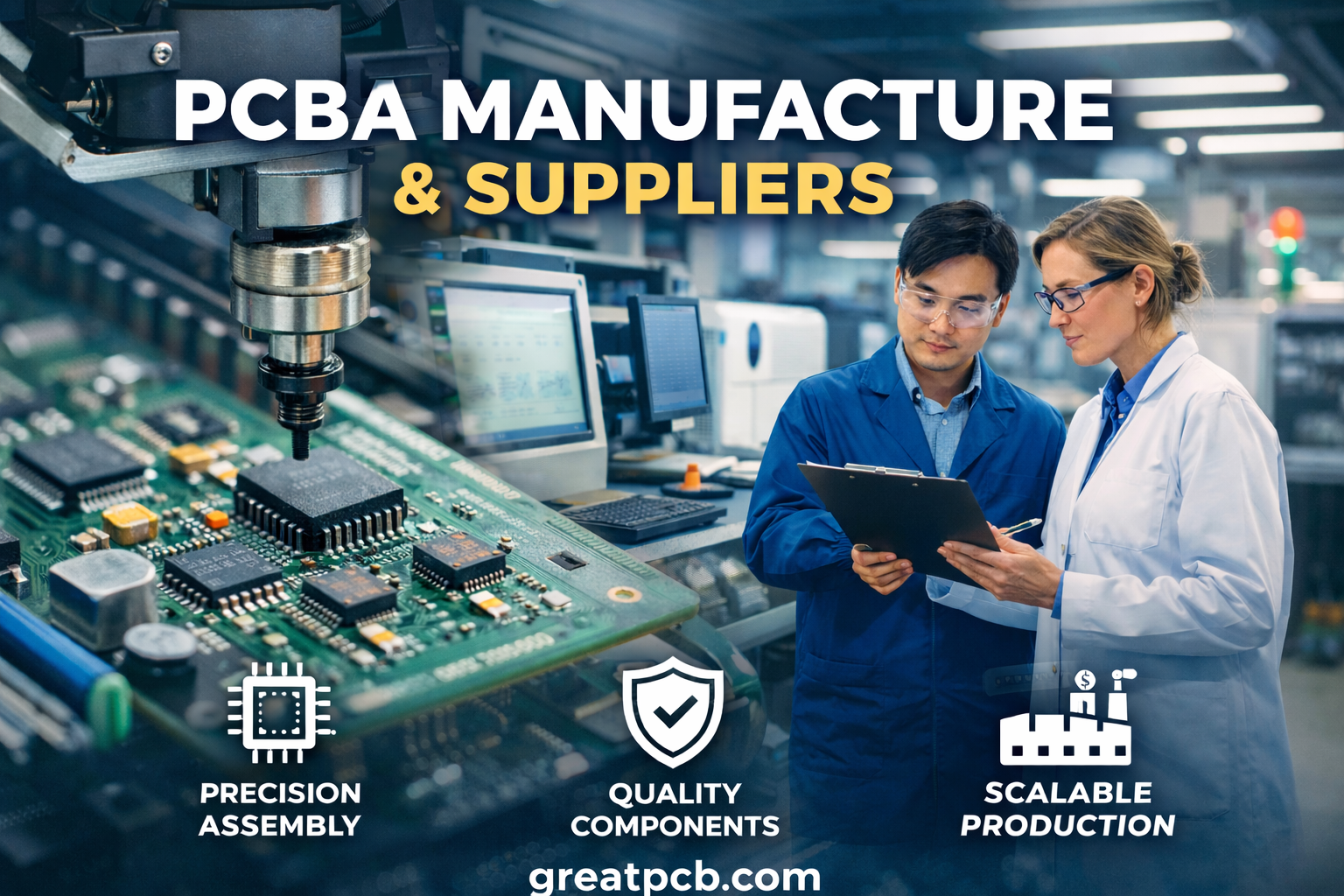
PCBA manufacture
What is PCBA Manufacture?
PCBA manufacture refers to the process of assembling electronic components onto a printed circuit board (PCB) to create a fully functional electronic assembly. While PCB manufacturing produces the bare board, PCBA manufacturing involves installing components such as resistors, capacitors, microchips, and connectors onto the board.
The PCBA process typically includes:
Solder Paste Application – Applying solder paste to PCB pads where components will be mounted.
Component Placement – Automated machines accurately place electronic components onto the board.
Reflow Soldering – Heat melts the solder paste, creating secure electrical connections.
Inspection and Testing – Quality checks such as Automated Optical Inspection (AOI) and functional testing ensure the assembly works properly.
A professional PCBA manufacture company ensures precision, reliability, and compliance with international quality standards.
Importance of Reliable PCBA Suppliers
Reliable PCBA suppliers play a key role in the electronics production chain. They provide not only assembly services but also component sourcing, quality control, and logistics support.
Working with experienced PCBA suppliers offers several advantages:
1. High-Quality Components
Trusted suppliers source components from verified manufacturers, reducing the risk of counterfeit parts and ensuring product reliability.
2. Efficient Supply Chain Management
Professional PCBA suppliers maintain strong relationships with component distributors, helping avoid delays caused by component shortages.
3. Advanced Manufacturing Technology
Top PCBA manufacturers use modern SMT lines, automated inspection systems, and testing equipment to maintain consistent production quality.
4. Cost Optimization
By optimizing component sourcing and manufacturing processes, reliable suppliers help reduce overall production costs.
PCBA Manufacturing Process Explained
Understanding the PCBA manufacturing workflow helps businesses evaluate the capabilities of potential suppliers.
1. PCB Fabrication
The process begins with manufacturing the printed circuit board according to the design specifications.
2. Solder Paste Printing
A stencil is used to apply solder paste precisely to component pads.
3. Surface Mount Technology (SMT)
Automated pick-and-place machines position components on the board at high speed with extreme accuracy.
4. Reflow Soldering
The board passes through a reflow oven where solder paste melts and forms electrical connections.
5. Through-Hole Assembly
Certain components are inserted manually or by automated machines and soldered for mechanical strength.
6. Inspection and Testing
Methods such as AOI, X-ray inspection, and functional testing confirm that the board meets design requirements.
Industries That Depend on PCBA Manufacturing
Modern industries rely heavily on PCBA manufacture and PCBA suppliers for electronic product development.
Some major sectors include:
Consumer electronics
Automotive electronics
Telecommunications equipment
Medical devices
Industrial control systems
Aerospace and defense
Each industry requires high reliability, strict quality control, and consistent manufacturing standards.
How to Choose the Best PCBA Suppliers
Selecting the right supplier can significantly impact the success of your electronics project. Here are several factors to consider:
Manufacturing Capability
Choose a supplier that supports both SMT and through-hole assembly, as well as complex multilayer PCB designs.
Quality Certifications
Look for certifications such as ISO 9001, ISO 13485, or IPC standards, which indicate strong quality management systems.
Component Sourcing Ability
A strong supplier network helps ensure reliable component availability and competitive pricing.
Engineering Support
Experienced PCBA manufacturers provide design support, DFM (Design for Manufacturability) analysis, and prototyping services.
Production Scalability
The supplier should be capable of handling both prototype production and large-scale manufacturing.
Benefits of Partnering with an Experienced PCBA Manufacture Company
Working with a professional PCBA manufacturing partner offers several long-term advantages:
Faster product development cycles
Reduced manufacturing defects
Lower overall production costs
Reliable supply chain management
Access to advanced manufacturing technology
These benefits allow companies to focus on product innovation while leaving manufacturing complexities to experienced specialists.
Conclusion
In today’s competitive electronics industry, choosing the right PCBA manufacture partner and dependable PCBA suppliers is essential for building reliable and high-quality electronic products. From component sourcing to final assembly and testing, an experienced PCBA manufacturer ensures efficient production and consistent performance.
Businesses that partner with trusted PCBA suppliers gain access to advanced manufacturing capabilities, strong supply chain networks, and quality assurance processes that support long-term product success.
For companies seeking reliable electronics manufacturing solutions, working with a professional PCBA partner can make a significant difference in product quality, delivery timelines, and overall project success.