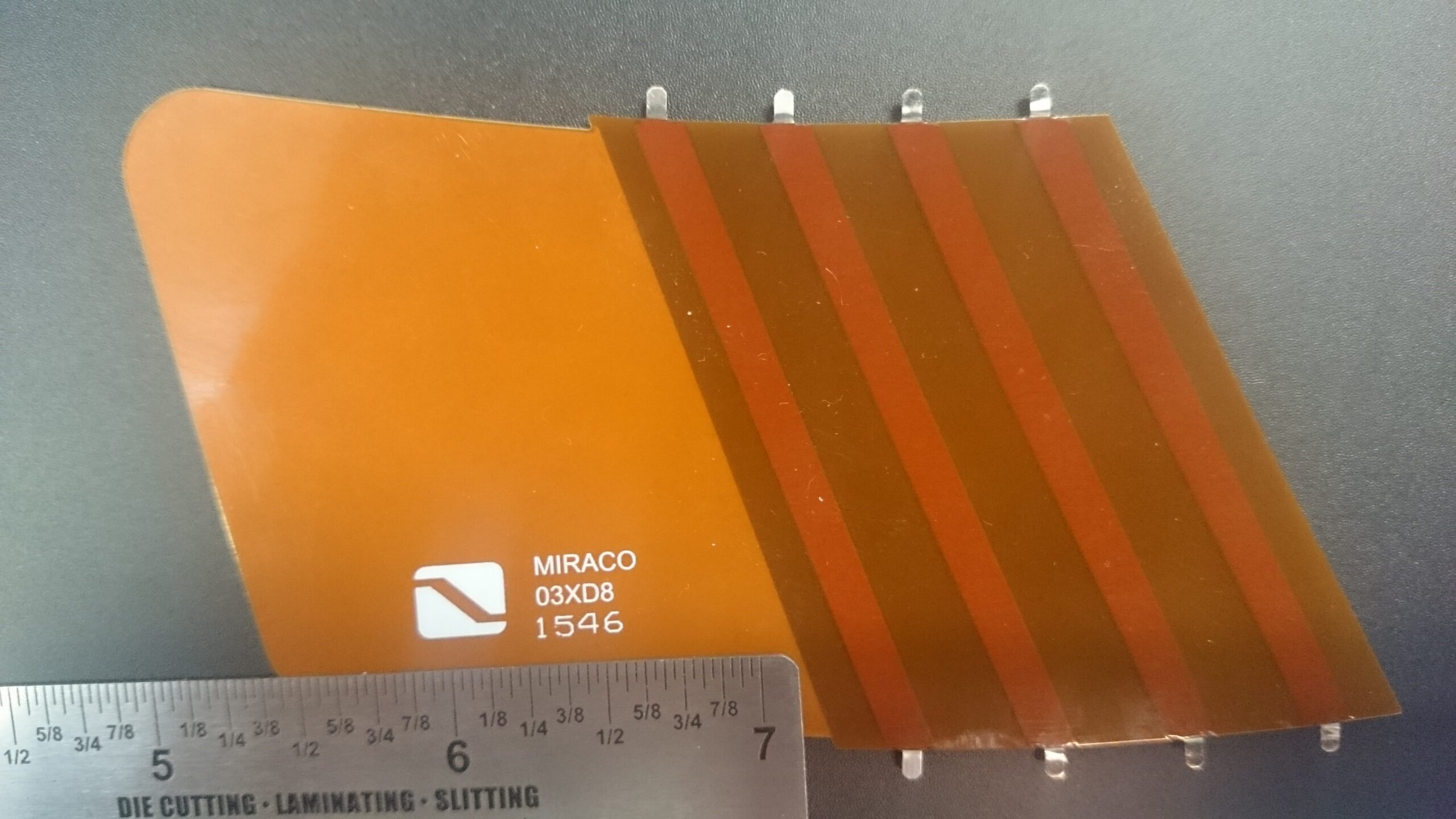
Essential Checklist for Selecting a Reliable PCBA Supplier

Choosing the right PCBA (Printed Circuit Board Assembly) supplier isn’t just another procurement task—it’s a strategic decision that can directly influence your product quality, manufacturing timelines, brand reputation, and overall business growth. A reliable PCBA partner ensures precision, compliance, and timely delivery. A poor choice, however, can lead to production delays, expensive recalls, and unnecessary financial losses.
To help you avoid such pitfalls, here is a comprehensive, practical checklist to follow before finalizing your PCBA supplier.
1. Verify Certifications & Industry Compliance
Start with the most fundamental requirement—compliance. A manufacturer that holds recognized certifications demonstrates its commitment to consistent quality and international standards. Look for:
ISO 9001 – Guarantees robust quality management systems
ISO 13485 – Essential for medical PCB assemblies
IATF 16949 – Mandatory for automotive-grade reliability
RoHS & REACH – Ensures environmentally safe materials
These certifications are a strong indicator that the supplier follows strict process control. Without them, you risk receiving assemblies that fail compliance checks or cannot be sold in certain markets.
2. Understand Their Manufacturing Strengths
Not all PCBA suppliers are built the same. Evaluate whether their capabilities match your technical needs:
Support for prototype batches, mid-scale, and mass production
Access to reliable component distributors
Ability to handle SMT, through-hole, and mixed assembly
Advanced testing like ICT, functional testing, and X-ray for BGA inspection
A future-ready supplier must be flexible enough to support design updates and scaling needs as your product evolves.
3. Review Quality Control & Inspection Systems
Quality assurance isn’t optional—it’s a mandatory layer of protection for your brand. Make sure the supplier’s QA process includes:
Inspection of incoming materials to prevent counterfeit parts
AOI (Automated Optical Inspection) for assembly defects
Burn-in testing for long-term performance validation
Traceability of components and processes
A strong QC framework drastically reduces field failures and customer returns.
4. Analyze Their Supply Chain Strength
With global component shortages still posing risks, a dependable supply chain is crucial. Prefer suppliers who:
Work only with approved, verified distributors
Avoid grey-market components
Can source alternative parts when shortages arise
Use professional inventory management systems
A solid supply chain directly contributes to timely production and predictable cost planning.
5. Clarify Lead Times & Delivery Commitments
Speed-to-market can determine your product’s competitive edge. Ask your potential PCBA partner about:
Quick-turn prototype capabilities
Standard production lead times
Delivery guarantees or penalty clauses for delays
Local manufacturing advantages (if applicable)
Always cross-check their promised timelines with feedback from existing customers.
6. Evaluate Communication & Technical Support
Smooth communication often reflects how efficiently your project will move. Pay attention to:
Dedicated project managers
Transparency in reporting
Speed of technical responses
Ability to offer DFM (Design for Manufacturing) recommendations
A supplier who collaborates closely from design to production can save you both money and manufacturing headaches.
7. Compare Pricing & Look Out for Hidden Charges
While cost matters, it shouldn’t be the only deciding factor. Review pricing carefully:
Clearly itemized quotes (material, labor, testing, logistics)
No unexpected NRE, tooling, or setup fees
Better long-term price stability
Volume-based cost adjustments
Focusing solely on the cheapest option often leads to compromised performance or product failures.
8. Check Experience, Reputation & Customer Feedback
A supplier’s past performance offers valuable insight. Make sure to:
Request client testimonials
Review successful project case studies
Look up online ratings and customer reviews
Confirm experience with high-density or high-reliability PCB assemblies
Reliable suppliers generally have a proven track record and strong references.
Final Thoughts
Selecting a dependable PCBA supplier is not an expense—it’s an investment in long-term product quality, scalability, and market success. This checklist will guide you in making a data-backed decision while minimizing risk.
If you want expert support throughout the selection process, professionals at Great PCB can help you choose the most suitable partners for everything—from flexible PCB manufacturing to rapid prototype assembly. With the right supplier and the right guidance, your product reaches the market faster, stronger, and with complete confidence.
Table of Contents
- 1. Thibitisha Vyeti na Uzingatiaji wa Kiwanda
- 2. Elewa Nguvu Zao za Utengenezaji
- 3. Kagua Udhibiti wa Ubora na Mifumo ya Ukaguzi
- 4. Chambua Nguvu Zao za Mnyororo wa Ugavi
- 5. Fafanua Saa za Uongozi & Ahadi za Uwasilishaji
- 6. Tathmini Mawasiliano na Usaidizi wa Kiufundi
- 7. Linganisha Bei & Angalia Gharama Zilizofichwa
- 8. Angalia Uzoefu, Sifa & Maoni ya Wateja
Tags
Related Posts

PCBA Prototype
October 23, 2026
PCBA Prototype
October 19, 2026