
How to Choose the Right PCB Assembly Factory While Managing PCB Cost Efficiently
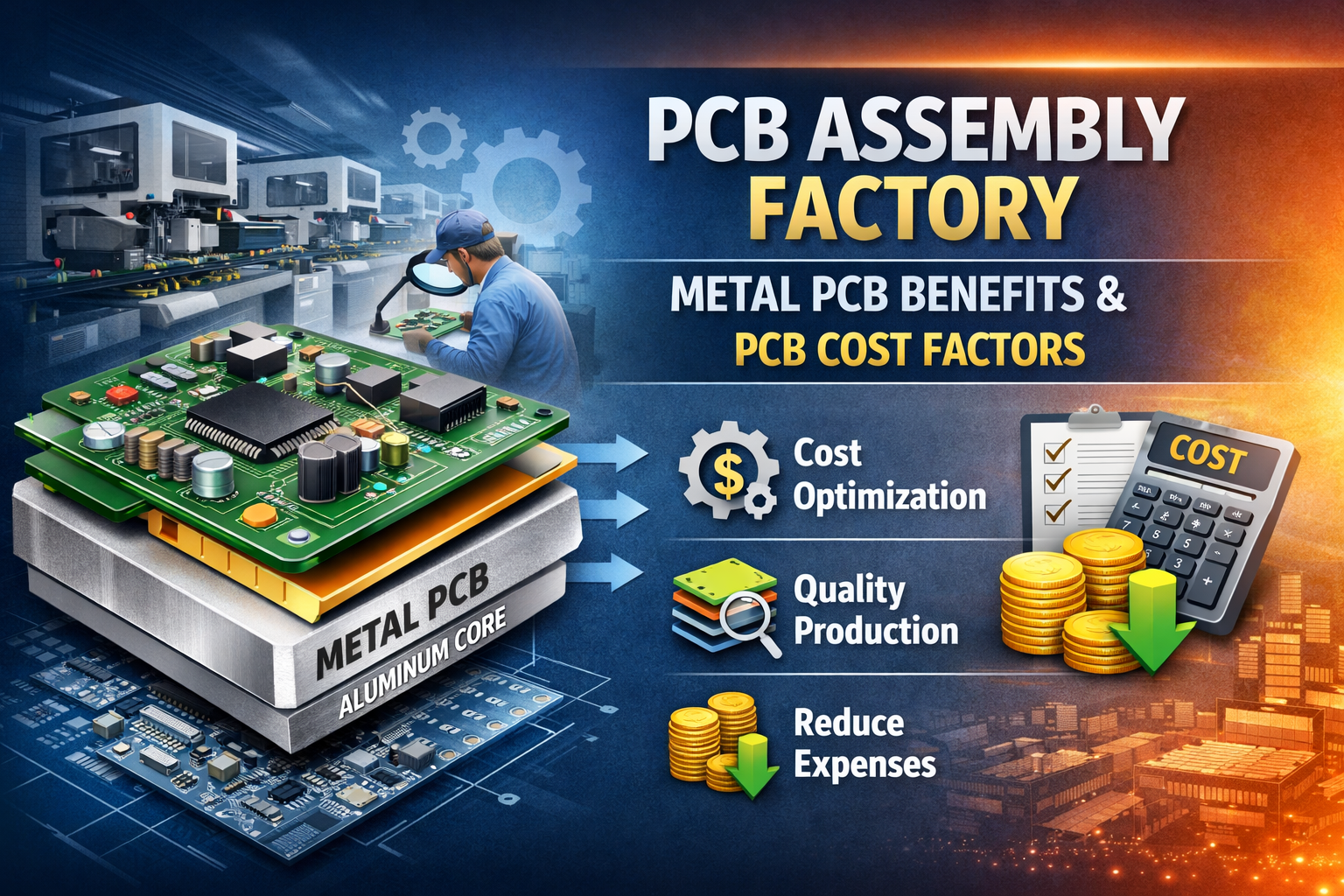
In the competitive world of electronics manufacturing, selecting the right PCB assembly factory can directly impact your product quality, delivery timelines, and overall profitability. Whether you’re a startup developing prototypes or an established brand scaling production, understanding how Metal PCB technology and PCB cost factors work together is essential for success.
Importance of Choosing the Right PCB Assembly Factory
A reliable PCB assembly factory does more than just assemble components—it becomes a long-term manufacturing partner. From design validation to final testing, a good factory ensures your product meets industry standards and performs consistently.
Key qualities to look for in a PCB assembly factory include:
- Advanced manufacturing capabilities (SMT, THT, BGA assembly)
- Strong quality assurance and testing procedures
- Experience across multiple industries
- Flexible production volumes (prototype to mass production)
- Transparent pricing and communication
Partnering with the right factory helps reduce production errors, minimize delays, and optimize PCB cost over time.
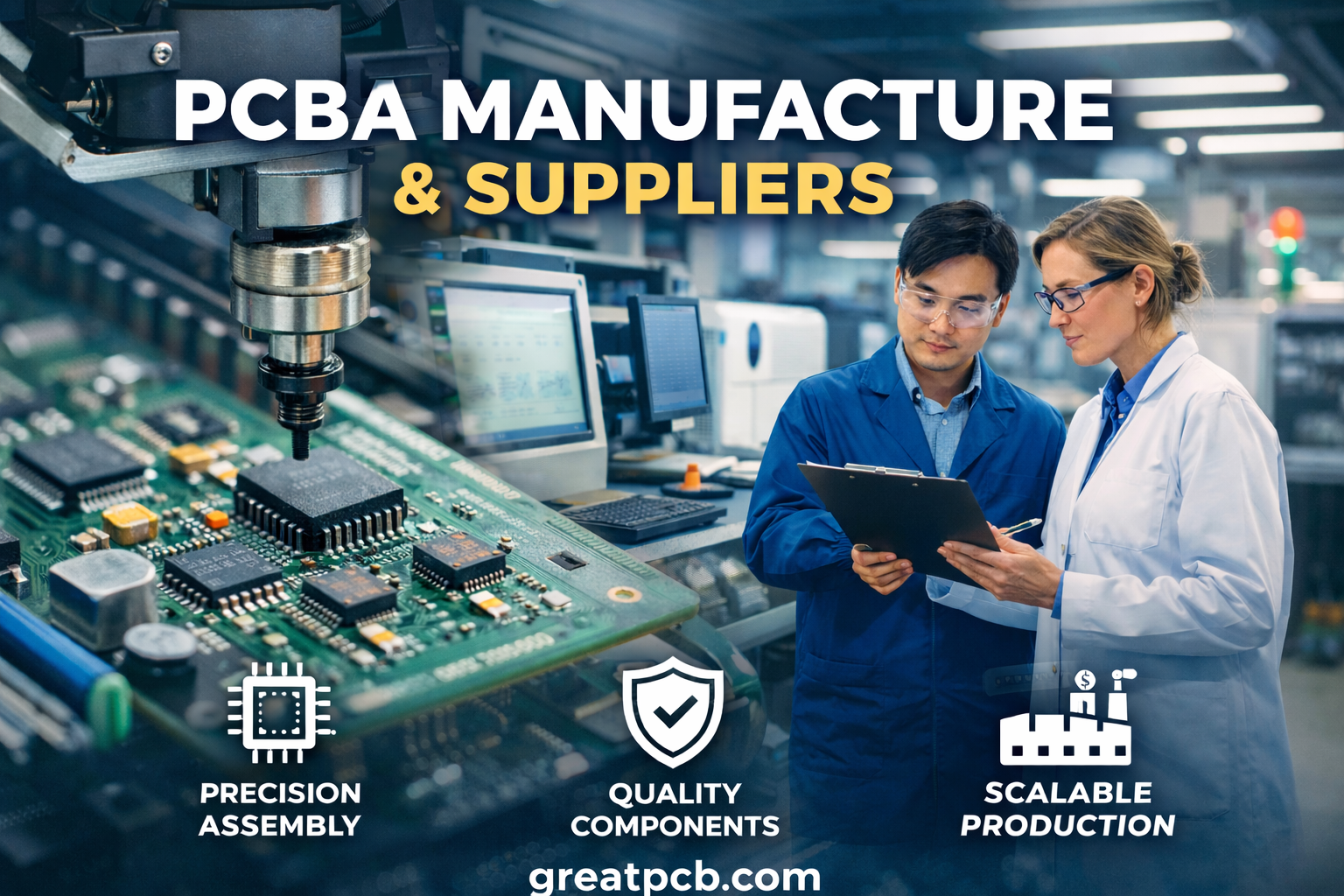
PCB Assembly Factory
Metal PCB: The Smart Choice for High-Performance Applications
A Metal PCB is specifically designed for applications where heat dissipation is critical. Unlike traditional boards, it includes a metal core layer—usually aluminum—that efficiently transfers heat away from sensitive components.
Benefits of Metal PCB:
- Excellent thermal management
- Increased product lifespan
- Improved electrical performance
- Higher reliability in demanding environments
Industries such as LED lighting, automotive electronics, and power supplies rely heavily on Metal PCBs because overheating can lead to performance failure. By using Metal PCB technology, manufacturers can enhance product durability while reducing long-term maintenance costs.
Key Factors That Influence PCB Cost
Understanding what drives PCB cost helps businesses make informed decisions and avoid unnecessary expenses. Here are the primary factors:
1. Board Complexity
The more complex the design, the higher the cost. Multi-layer boards, HDI designs, and fine-pitch components require advanced manufacturing techniques.
2. Material Selection
Standard FR4 materials are cost-effective, while specialized materials like aluminum (used in Metal PCB) or high-frequency laminates increase the overall cost.
3. Component Sourcing
Component availability and pricing significantly impact PCB cost. Sourcing rare or high-end components can increase expenses and lead times.
4. Assembly Requirements
Complex assembly processes such as BGA placement, double-sided assembly, and manual soldering increase labor and machine costs.
5. Order Volume
Higher quantities reduce the per-unit cost. Prototyping runs are usually more expensive compared to bulk production.
6. Testing & Certifications
Additional services like functional testing, AOI inspection, and certifications add to the total cost but ensure product reliability.
How a PCB Assembly Factory Helps Optimize PCB Cost
An experienced PCB assembly factory can help you reduce costs without sacrificing quality. Here’s how:
- Design for Manufacturability (DFM): Identifies design issues early to prevent costly revisions
- Bulk Component Procurement: Reduces component costs through supplier networks
- Efficient Production Processes: Minimizes waste and speeds up manufacturing
- Integrated Services: Combining fabrication and assembly reduces logistics costs
By leveraging these advantages, businesses can achieve a balance between performance and affordability.
Practical Tips to Reduce PCB Cost
If you’re aiming to optimize your budget, consider the following tips:
- Avoid unnecessary layers in PCB design
- Use commonly available components
- Standardize board sizes and specifications
- Plan production volumes in advance
- Work with a full-service PCB assembly factory
These steps not only reduce PCB cost but also improve manufacturing efficiency.
Conclusion
Choosing the right PCB assembly factory is a strategic decision that goes beyond manufacturing—it directly influences product success. Incorporating Metal PCB technology can enhance performance in heat-sensitive applications, while understanding PCB cost drivers helps you stay within budget.
By partnering with an experienced and reliable manufacturer like GreatPCB, you can ensure high-quality production, cost efficiency, and long-term business growth in the electronics industry.
Table of Contents
Related Posts
PCBA Prototype
March 22, 2026
PCBA Prototype
March 15, 2026