
PCBA Processing Models: Consigned Material vs. Turnkey Assembly
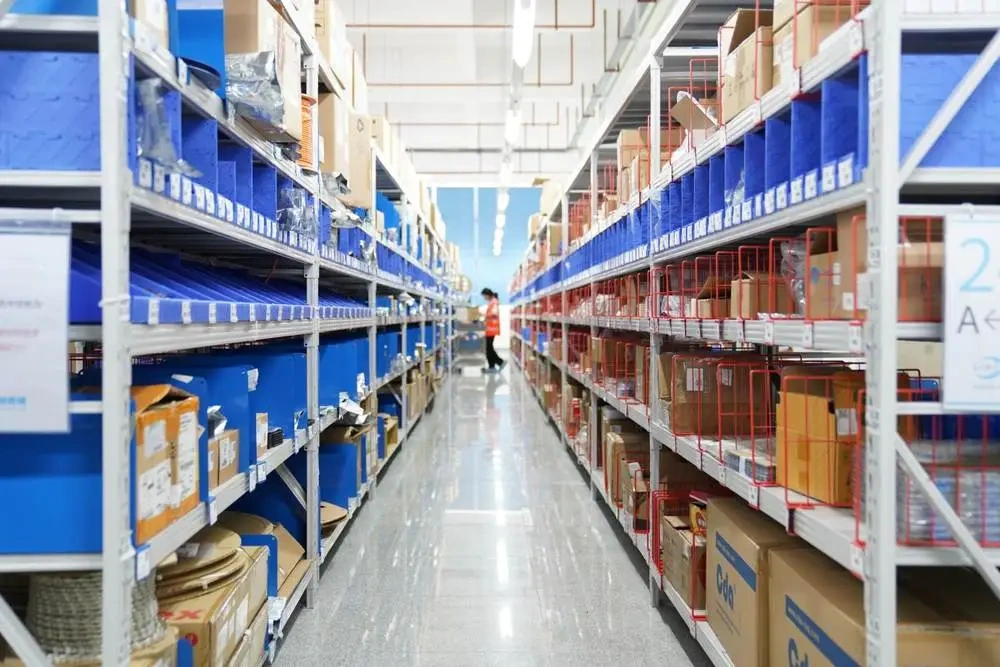
Since the 21st century began, new electronic products and new technologies have changed very fast. Because of this, the PCBA processing industry, which is a key part of electronic products, has become more and more important. The quality, lead time, and cost of PCBA processing directly affect the final delivery quality, delivery time, and total cost of the whole product.
At present, some well-known PCBA contract manufacturers in the world include Foxconn, Flex, BYD, and others. They work with many well-known international electronic product developers. Their successful cases have also helped shape the modern electronic manufacturing service model. In general, there are two main processing modes. One is consigned material processing, and the other is turnkey assembly, also called full material assembly.
Right now, more and more companies choose the PCBA turnkey model. Why are more and more companies choosing turnkey PCBA? What problems may happen in real work under these two modes? Below is a short discussion and analysis.
1. Basic Explanation
Consigned material processing means, as the name says, that the customer provides the materials, and the factory only needs to provide services such as SMT assembly and DIP insertion.
Turnkey assembly means that the customer provides full design data, and the PCBA manufacturer provides one-stop service, including electronic component sourcing, PCB procurement, SMT assembly, DIP insertion, and PCBA testing.
The customer only needs to provide complete files and documents, such as Gerber files, BOM lists, coordinate files, and placement files. After that, the customer can wait for the finished goods. This is a very popular electronic manufacturing mode today, and more and more customers like it.
2. Simple Analysis of the Two Modes
The following table gives a short view of the strengths, weaknesses, opportunities, and threats of the two modes.
| Mode | Strengths | Weaknesses | Opportunities | Threats |
|---|---|---|---|---|
| PCBA consigned material processing | 1. The quality and brand of each material are relatively controllable. | 1. It needs to deal with many component suppliers, so overall control is not easy. Procurement corruption may also happen more easily. 2. It needs more staff input. | None | 1. There are many suppliers. If one supplier has a supply problem, it may cause a full set supply problem. |
| PCBA turnkey assembly | 1. It helps integrate supply chain channels and gives better bargaining power. 2. It can reduce the number of suppliers and avoid the passive situation of chasing materials everywhere. 3. It saves a lot of time on small tasks, such as contract terms, order follow-up, payment handling, ERP work, and more. | 1. There may be raw material quality problems and raw material brand control problems. | 1. It can work like indirect financing through payment terms. 2. It needs fewer staff and saves labor cost. 3. Large PCBA suppliers have strong bargaining power for raw materials, so they can reduce cost at the same time. | 1. If payment is not made on time, it may cause the whole material supply chain to stop. |
3. The Current Mainstream Choice
For many companies, choosing between PCBA turnkey assembly and consigned material processing has always been hard. Every method has both good points and bad points.
After full consideration, PCBA turnkey assembly can save customers time, cycle time, inventory cost, and more. This electronic manufacturing mode can also free the company from many manufacturing tasks. It can reduce the need to invest in electronic material purchasing, warehouse work, outsourcing, logistics, and staff. At present, this mode is becoming the first choice for many system integrators and product manufacturers.
However, when we also consider the security of some core integrated chips and some programming files used in production, the more common method is now a partial turnkey model. In this mode, the company provides the core chips, and the factory provides other items such as PCB boards and passive components like resistors and capacitors. At the same time, simple testing and programming are done by the factory, while the more important and core programming and testing are still done in the company’s own factory.
4. Hidden Risks in PCBA Turnkey Assembly
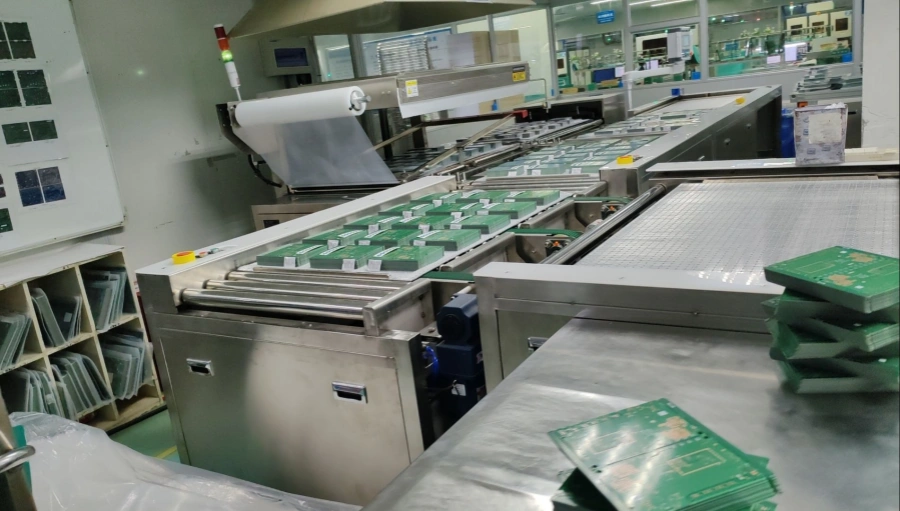
During PCBA turnkey service, supplier review is very important. This almost decides whether the cooperation will succeed, and it is also the key to whether cost and product turnaround can reach the target.
We cannot deny that the market does have some sellers who try to get extra profit by lowering product quality or swapping raw materials. But this kind of behavior cannot last for a long time. So, when choosing a PCBA turnkey supplier, the supplier should be included in the list of strategic partners. Of course, when this kind of important supplier is introduced, the company must also pay special attention to procurement corruption problems.
5. Why Do Most Customers Choose Turnkey Assembly?
5.1 Leverage Professional Expertise & Shorten Lead Times
5.2 Comprehensive Cost Reduction & Improved Product Competitiveness
5.3 Lower Entry Barriers & Transparent Pricing
5.4 Flexible Batch Support for Prototyping & Early-Stage Products
5.5 Full-Service One-Stop PCBA Solution
6. Summary
In short, both PCBA consigned material processing and PCBA turnkey assembly have their own value.
If a company wants stronger control over material brand, raw material source, and some special parts, consigned material processing may be a better fit.
If a company wants faster delivery, lower management work, better supply chain integration, and lower total cost in many cases, turnkey assembly is often the better choice.
In today’s electronic manufacturing world, more and more companies are choosing turnkey PCBA, and this trend is still growing. At the same time, for products with core chip secrecy, special process needs, or strict security rules, a partial turnkey model is often the most practical choice.
That is why PCBA service models are no longer just a simple choice between “customer-supplied materials” and “factory-supplied materials.” They are now part of a more flexible, more efficient, and more complete electronic manufacturing system.
Tags
Related Posts
PCBA Prototype
September 8, 2026
PCBA Prototype
August 7, 2026