
OSP vs ENIG for SMT Assembly: Pros and Cons
Choosing the right surface finish is a critical step in designing any printed circuit board. It’s important for both seasoned engineers and procurement specialists to understand their options well. This knowledge is key for ensuring long-term product reliability.
In the competitive United States electronics market, the debate on osp vs enig focuses on cost, performance, and environmental standards. Both finishes have unique benefits that can greatly affect the success of your smt assembly projects.
This guide will delve into the main differences between these two popular finishes. By looking at their specific properties, you can make a well-informed decision. This will help optimize your manufacturing process. We’ll help you decide if ENIG is best for your high-density designs or if a more cost-effective option suits your needs better.
Key Takeaways
- Surface finish selection directly impacts the reliability of your electronics.
- Understanding the trade-offs between cost and performance is essential for project success.
- ENIG provides excellent planarity for fine-pitch components.
- OSP is often favored for its cost-effectiveness in consumer electronics.
- Engineers must align their choice with the specific requirements of their assembly process.
Understanding PCB Surface Finishes in Modern SMT Assembly
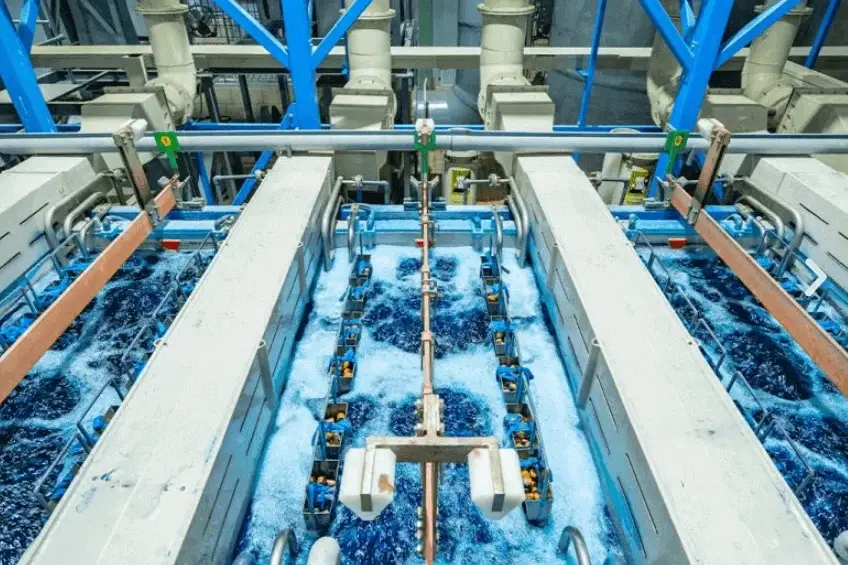
The quality of your assembly depends on a thin layer protecting copper traces. A good pcb surface finish is key. It connects copper circuits to solder joints. Without it, copper oxidizes fast, causing bad connections and possible failure.
The Role of Surface Finish in SMT Reliability
For Surface Mount Technology (SMT) to work well, solder needs to stick to the pad. The finish must be clean and ready for solder. Consistent wetting is crucial for strong, lasting connections.
Choosing the right finish is important for reliability:
- Oxidation prevention: Keeping copper clean.
- Planarity: A flat surface for small components.
- Shelf life: Keeping solderability during storage and assembly.
Defining OSP and ENIG in the Manufacturing Context
OSP and ENIG are two ways to protect boards. OSP is a thin, organic layer, while ENIG is a metallic plating. Picking the right pcb surface finish means knowing these differences.
| Feature | OSP | ENIG |
|---|---|---|
| Composition | Organic compound | Nickel and Gold |
| Cost | Low | High |
| Shelf Life | Limited | Excellent |
| Surface | Very Flat | Flat |
OSP is cheaper for many electronics, but ENIG is better for complex designs. Both are essential in making modern electronics. By knowing these differences, designers can meet their project needs.
Case Study: Evaluating Solderability and Fine Pitch Performance
When engineers try to make things smaller, the surface finish is key. It affects how well the solder sticks to the board. By looking at real examples, we can guess how well a finish will do in making things.
Testing Solder Joint Integrity on BGA Components
The strength of a bga part depends on the solder connection. The finish must help the solder spread evenly. This ensures strong connections and avoids defects.
Our tests show that the finish’s chemistry matters a lot. The best finishes create a strong bond that lasts. This bond is crucial for parts that face heat or stress.
Challenges with Fine Pitch SMT Assembly
Working with fine pitch pcb is tough. The small pads mean tiny mistakes can cause big problems. Even slight unevenness can mess up the solder.
Engineers need to fine-tune their heating process for these tiny designs. The right finish helps by making the surface even and free of oxidation. This makes it easier to place components correctly. Here’s what we found about these important factors.
| Metric | OSP Performance | ENIG Performance |
|---|---|---|
| Wetting Speed | Moderate | Excellent |
| Planarity | High | Superior |
| BGA Reliability | Good | High |
| Fine Pitch Yield | Standard | Optimized |
The Cost of ENIG Plating and Economic Considerations
When planning a production run, the cost of the pcb surface finish is key. Engineers must balance the upfront cost against the product’s long-term reliability. Teams must consider the immediate savings of cheaper materials versus the risk of future failures.
Analyzing the Price Gap Between OSP and ENIG
A standard cost comparison shows OSP is much cheaper than ENIG. OSP uses a simple organic coating to protect copper pads. This method is less expensive because it doesn’t use precious metals like gold.
On the other hand, ENIG plating costs more due to its complex process. While the initial price difference is big, it’s crucial to consider the total cost. A cheaper finish might lead to more rework or a shorter product life, which could cancel out the savings.
When to Justify the Higher Cost of ENIG
Choosing between osp vs enig depends on your product’s needs. ENIG is better for devices with complex connections or fine components. It offers a smooth surface for reliable soldering.
ENIG also resists corrosion well and lasts longer in storage. This makes it perfect for products that stay in inventory for a while. While OSP might be cheaper for simple, short-lived electronics, ENIG is better for high-reliability products. Spending more on a premium finish can save money in the long run by avoiding costly repairs and keeping your brand’s reputation strong.
In the end, your choice depends on what your project needs. If you need long-term stability and strong solderability, ENIG’s higher cost might be worth it. By thinking about the osp vs enig trade-offs early, you can save money without sacrificing quality.
OSP PCB Characteristics and Application Suitability
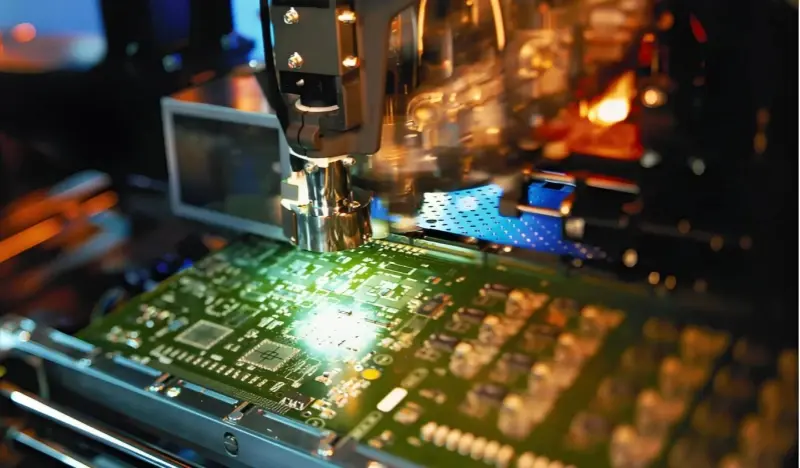
Many engineers find that an osp pcb is a great choice for dense designs. It’s a thin, protective layer that covers copper pads. This prevents oxidation until the assembly starts. It also makes the surface flat, perfect for small, modern components.
Advantages of Organic Solderability Preservatives
The main advantage is its exceptional flatness, key for small parts. The thin layer doesn’t get in the way of placing tiny components. This ensures top-notch solderability during the reflow process. Plus, it’s cheaper and better for the environment than metallic finishes.
“The selection of a surface finish is not merely a cost decision; it is a fundamental engineering choice that dictates the long-term reliability of the final assembly.”
Limitations and Shelf-Life Constraints
However, there are downsides to osp vs enig. The organic layer can be damaged by the environment and handling. This can reduce its solderability over time. If not stored right, boards might have defects during production.
Engineers need to manage their stock well to use boards before they expire. Unlike tougher finishes, an osp pcb needs a controlled setting to stay good. Here’s a table showing the main differences between osp vs enig for your next project.
| Feature | OSP Finish | ENIG Finish |
|---|---|---|
| Surface Flatness | Excellent | Good |
| Cost | Low | High |
| Shelf Life | Limited | Long |
| Handling | Sensitive | Robust |
ENIG Surface Finish: Reliability and Performance Metrics
Engineers often choose ENIG surface finish for its reliability. It creates a robust barrier that shields copper traces from damage. This ensures that critical devices work well under stress.
Electroless Nickel Immersion Gold for High-Density Interconnects
High-density interconnects need a smooth surface to work right. ENIG provides this, making it key for fine components. This smoothness keeps solder joints strong during assembly.
The finish also keeps signals clear. Gold prevents oxidation, keeping the path for signals clean. This is crucial for fast data in modern electronics.
Corrosion Resistance and Long-Term Storage Benefits
ENIG stands out for its corrosion resistance. Nickel shields, and gold prevents oxidation. This combo makes boards last longer in storage.
It’s a top pick for projects needing to last. Unlike others, it stays solderable longer. This reduces the chance of assembly problems and keeps production smooth.
| Performance Metric | ENIG Finish | Standard Alternative |
|---|---|---|
| Surface Planarity | Excellent | Moderate |
| Corrosion Resistance | High | Low |
| Shelf Life | Extended | Limited |
| Signal Integrity | Superior | Average |
Comparative Analysis of RoHS Compliance and Environmental Impact
The electronics world is moving towards greener production. Engineers and manufacturers are working hard to reduce their environmental impact. They aim to keep high performance while doing so.
This change means looking closely at surface finishes and their environmental impact. It’s about meeting global environmental standards.
Lead-Free PCB Manufacturing Standards
The move to lead-free pcb standards has changed board design and assembly. Companies now make products rohs compliant and safe for worldwide use. OSP and ENIG finishes help meet these new assembly needs.
OSP is seen as very sustainable because it uses organic compounds. It’s easy to process and doesn’t include heavy metals. This makes it a good choice for those wanting to avoid complex chemical baths.
Sustainability Factors in Surface Finish Selection
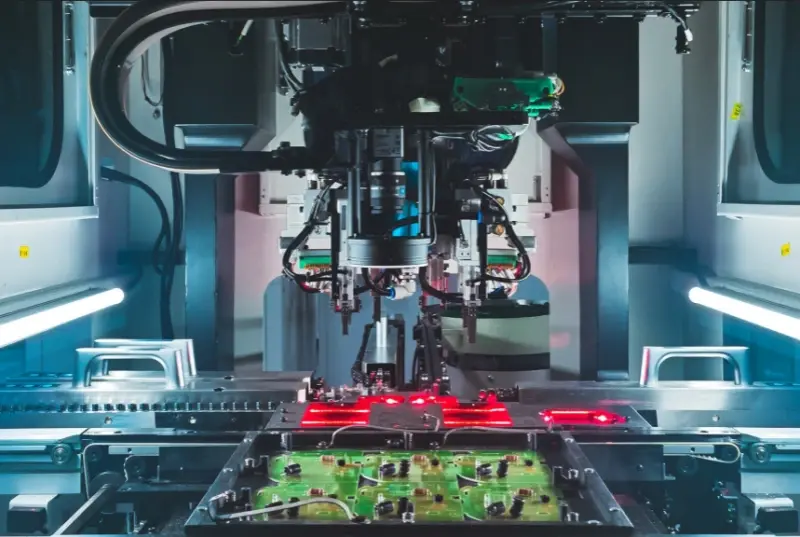
Engineers must think about a board’s whole life when choosing a finish. Being rohs compliant is just the beginning for companies caring about the environment. ENIG, for example, needs strong treatment systems to handle chemical waste safely.
ENIG’s long-term reliability means boards might not need to be replaced as often. This can help reduce electronic waste. The choice between OSP and ENIG depends on balancing today’s needs with tomorrow’s environmental goals.
Technical Trade-offs for Complex SMT Assembly
The way the board looks and how solder is applied is key for high-density designs. When setting up an smt assembly line, engineers must think about how surface finishes affect solder paste. A smooth surface usually means better results during the printing phase.
Impact on Solder Paste Printing and Reflow Profiles
Surface finishes affect how well pads wet with solder paste. An uneven finish can cause problems with the stencil, leading to too much or too little solder. Precision is crucial for components with small pitches.
Adjusting reflow profiles is also needed based on the finish. Different materials absorb heat differently, changing the best temperature for reflow. Engineers need to consider several factors when perfecting their smt assembly process:
- Stencil thickness: Changing the stencil aperture to match finish variations.
- Solder paste chemistry: Choosing fluxes that work well with the finish’s oxidation levels.
- Thermal soak times: Adjusting the reflow profile for even heating on complex boards.
Managing Planarity Requirements for Advanced Packaging
Advanced packaging, like BGA and CSP, needs very flat surfaces. Small finish irregularities can lead to bad connections or weak solder joints. Keeping the surface flat is vital for good solder ball contact with pads.
| Feature | OSP Performance | ENIG Performance |
|---|---|---|
| Surface Flatness | Excellent | Superior |
| Solderability | High | Very High |
| Planarity Consistency | Moderate | High |
Engineers must find the right balance to get the best results. Knowing the limits of each finish helps teams adjust their smt assembly settings. This careful planning reduces defects and ensures reliable complex electronic devices.
Real-World Failure Analysis and Lessons Learned
Manufacturing defects teach engineers a lot about improving assembly processes. By studying past failures, teams can set up robust quality control measures. This helps avoid similar problems in the future. It makes sure electronic products work well in tough conditions.
Identifying Black Pad Syndrome in ENIG Processes
Black pad syndrome is a big problem for ENIG finish users. It happens when the nickel layer gets too brittle and doesn’t stick well. This shows as a dark, corroded look after soldering.
Engineers can spot this by doing cross-sectional analysis and scanning electron microscopy on failed spots. To stop it, they need to watch the nickel-phosphorus bath closely. Keeping the gold deposition rate just right is key for a strong bond.
Addressing Oxidation Issues in OSP-Finished Boards
OSP is cheaper but has its own problems, like surface oxidation. Unlike ENIG, OSP is organic and can break down. This gets worse in humid places, making soldering hard.
Handling these boards well means using them before they spoil. Engineers should use boards quickly to avoid oxidation. If a board is soldered many times, the organic layer gets thinner. This makes copper more likely to get damaged by thermal stress and oxidation.
Using a first-in, first-out (FIFO) system helps a lot. Keeping storage places cool helps OSP boards last longer. Learning from these mistakes helps make better choices for future projects.
Strategic Decision Making for PCB Procurement
Procurement pros often struggle to balance costs now with reliability later. Choosing the right pcb surface finish is key to meeting your product’s lifecycle goals. By matching technical needs with budget limits, teams can avoid costly redesigns.
Balancing Budget Constraints with Product Longevity
It’s tempting to pick the cheapest option when managing a budget. But choosing a pcb surface finish just for price can lead to early failures or assembly issues. You need to consider the long-term costs of warranty claims and recalls.
For high-reliability needs, finishes that resist oxidation and ensure strong solder joints are best. These may cost more upfront but save money in the long run by extending your device’s life. Investing in quality early on can lower your total cost of ownership.
Selecting the Right Finish for Prototype vs Production Runs
Prototypes and full-scale production have different needs. Prototypes often need to be quick and easy to assemble to test designs fast. A cost-effective pcb surface finish is usually enough for this phase.
When moving to mass production, focus on consistency and long-term stability. Make sure the chosen finish works with your product’s soldering and environmental conditions. Here’s a table to help with your decision:
| Criteria | Prototype Focus | Production Focus |
|---|---|---|
| Cost Sensitivity | High priority | Balanced with yield |
| Shelf Life | Short-term | Long-term storage |
| Reliability | Functional testing | Field performance |
| Finish Choice | OSP for speed | ENIG for durability |
Conclusion
Choosing the right surface finish is key to your electronic hardware’s success. It’s a balance between cost and performance. You need to know your project goals well.
Engineers must consider shelf-life and component needs. Your choice affects assembly rates and device reliability. It’s a big decision.
Focus on your technical needs early to avoid costly mistakes. High-density components need premium finishes for stability. But, for quick tests, organic coatings might be enough.
Think about your assembly and storage conditions before buying. Matching materials with your product’s lifecycle ensures quality. Use these tips to improve your workflow and stay ahead in the electronics world.
FAQ
When comparing OSP vs ENIG, which is better for high-density SMT assembly?
Why is the cost of ENIG plating higher than OSP?
Are both OSP and ENIG finishes RoHS compliant for modern manufacturing?
How does the surface finish impact solderability over time?
What are the main risks associated with using ENIG in complex designs?
Can OSP handle multiple reflow cycles as well as ENIG?
Which finish should I choose for a prototype vs. a mass production run?
For broader Surface Finish guidance, see Surface Finish overview.
Table of Contents
- Pochopení povrchových úprav desek plošných spojů v moderní SMT montáži
- Případová studie: Hodnocení pájitelnosti a výkonu při jemné rozteči
- Náklady na pokovování metodou ENIG a ekonomické aspekty
- Charakteristiky desek plošných spojů OSP a vhodnost aplikace
- Povrchová úprava ENIG: Metriky spolehlivosti a výkonu
- Srovnávací analýza shody s RoHS a dopadu na životní prostředí
- Technické kompromisy pro komplexní SMT montáž
- Analýza selhání v reálném světě a získané poznatky
- Strategické rozhodování pro nákup PCB
- Závěr
- Nejčastější dotazy
Related Posts
PCBA Prototype
September 8, 2026
PCBA Prototype
August 7, 2026