
PCBA HS Code

HS Code, or the Harmonized Commodity Description and Coding System, is an international standard for classifying goods in international trade. Often referred to as the “language of international trade,” it is also known as “HS number,” “import/export statistical code,” “tariff number,” or “tax number.”
In international trade, HS Code serves as an identity card for goods, assigning a unique identifier to every product. This allows for quick identification of the basic category of goods for taxation, regulation, and other analyses.
Functions of HS Code
- Tariffs and Trade Statistics: HS Code is the foundation for determining tariff rates for import and export goods. Customs authorities use HS Codes to identify imported products and levy tariffs based on the corresponding rates. Additionally, HS Codes are used to collect, analyze, and publish international trade statistics.
- Simplifying Trade Procedures: By providing a unified classification and coding system, HS Code helps simplify international trade procedures. When buyers and sellers use the same HS Code in transactions, they can more easily communicate and understand the specific attributes of the goods being traded.
- Customs Supervision: Customs authorities use HS Codes to monitor import and export goods, ensuring compliance with national regulations and standards. HS Codes also help customs identify goods that may be involved in illegal activities (such as smuggling and tax evasion).
- International Trade Agreements: Many international trade agreements are based on the HS coding system. For example, the World Trade Organization (WTO) uses HS Codes to determine the trade commitments and tariff concessions of its member countries.
Components of HS Code
The basic international standard for HS Codes consists of six digits, which include the following three parts:
- Digits 1-2: Represent the “Chapter.” There are 21 chapters (with class numbers represented by one digit, except for Chapter 21, which is represented by two digits).
- Digits 3-4: Represent the “Heading.” Each chapter is subdivided into several headings as needed, represented by two digits, totaling 1241 four-digit headings.
- Digits 5-6: Represent the “Subheading.” Each heading can be further subdivided into several subheadings, with two additional digits added to the heading code, totaling 5019 six-digit subheadings.
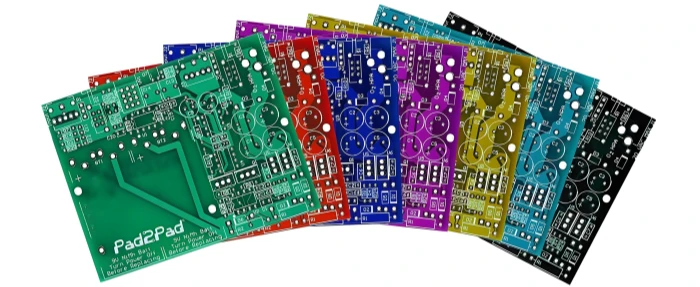
For example, the HS Code for circuit boards, classified as electronic components, is 8541.69:
- The first digit (8) indicates that the product is a type of equipment or product.
- The second digit (54) shows that the equipment or product belongs to electronic devices or components.
- The third digit (1) indicates that the electronic device or component is a capacitor, resistor, electronic voltage, or other electronic circuit components.
Since circuit boards are substrates that contain electronic components, the third digit is 1. The code 8541.69 indicates that this electronic circuit component is one of the “other electronic circuit components,” including items not listed in other broader categories, such as inductors, resistors, and capacitor boards.
Types of HS Codes
HS Codes are not universally applicable in all countries. They are used in over 200 countries and regions; however, some countries may adopt variations of the HS Code or develop their own coding systems due to specific trade or economic needs. Two examples include HTS codes and NCM codes.
Related Posts
PCBA Prototype
September 8, 2026
PCBA Prototype
August 7, 2026