
Notes for PCB stack-up
Notes for PCB stack-up Before PCB design, GreatPCB engineers will determine the number of PCB layers based on the size of the circuit board, circuit size, and electromagnetic compatibility (EMC) [...]
Notes for PCB stack-up Before PCB design, GreatPCB engineers will determine the number of PCB layers based on the size of the circuit board, circuit size, and electromagnetic compatibility (EMC) [...]
Heavy copper PCB of application in electronic manufacturing In recent years, with the rapid development of technology, Printed Circuit Board types are diverse, the heavy copper PCB assembly and soldering [...]
In the field of electronic PCB manufacturing, the printed circuit board serves as a bridge connecting the electronic components, and its quality and stability are directly related to the performance [...]
How to select PCB manufacturing and service---The role of the printed circuit boards In today's tech wave,Printed circuit board prototype as an indispensable part of the electronic equipment. For smartphones, [...]
How to reduce the 4-layer PCB design and manufacturing cost ——4-layer PCB design notes In today's electronic product design, multi circuit board is liked by many people.GreatPCB is PCB maker [...]
In the rapid development of the electronic manufacturing industry,the type and design of the circuit boards change rapidly. Among them, HDI (high-density interconnect) printing circuit boards and traditional printing circuit [...]
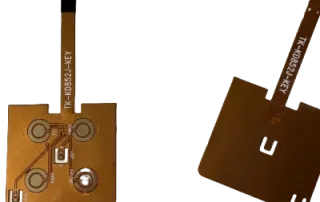
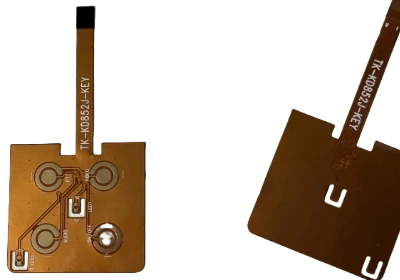
What is the Flexible PCB? Flexible PCB is a printed circuit made of flexible insulation substrate.It can bend freely, roll, fold, can withstand millions of times of dynamic bending without [...]