
Medical PCBA Manufacturing:
Standards, Applications, and Quality Control Requirements
Why Are Medical PCBAs So Strict on Quality?
Life is the most important asset for human beings, and life-support equipment is a very important part of any hospital. In general, life-support equipment is not allowed to fail. PCB design for medical use needs specific components to meet power, signal quality, crosstalk, and grounding requirements. But the most important points are reliability and safety. Safety is a key issue. It includes radiation, electrical performance, thermal performance, and mechanical safety. All of these are driven by IPC Class 3 standards. So, it is very important to have a reliable manufacturer that can meet these requirements and provide reliable circuit boards for medical use.
Need a Reliable Medical PCBA Manufacturer?
Medical devices cannot afford failure. GreatPCB manufactures medical PCBAs with strict process control, IPC Class 3 workmanship standards, and full production traceability to support critical healthcare applications.
- ✓ IPC Class 3 Manufacturing
- ✓ Lead-Free Assembly Process
- ✓ AOI, X-Ray & Functional Testing
- ✓ Prototype to Mass Production
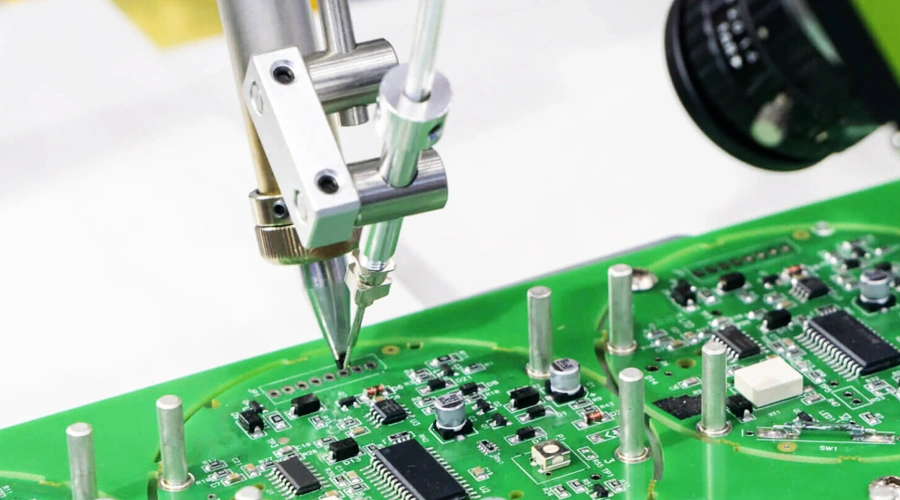
Types of Medical Devices
There are many types of medical devices, from very common basic tools to very complex devices. These medical applications can be divided into three classes:
Class 1: General medical devices
These products are usually low risk. Although they are used in some medical procedures, they are unlikely to cause personal injury, such as electronic scales, gauges, and dental mirrors.
Class 2: Medical tools with some risk
These products have higher risk than Class 1 products, but the risk is mainly related to operation and maintenance, such as electric wheelchairs and monitoring instruments.
Class 3: Life-support equipment
These products are essential and must be made to the highest standards to ensure very high reliability. Once these life-support devices stop working or fail, they can lead to serious results, such as pacemakers and heart valves. We know that medical devices must meet specific standards and also basic requirements in function, production, and quality systems.
PCB Cleanliness Standards for Medical Electronics
Special PCB Cleanliness Requirements for Medical Electronic Devices
Medical electronic devices are special because many electronic devices are designed and developed not only to analyze the human body, but also to work while directly interacting with or connecting to the body. Although swabs, tongue depressors, and other mostly harmless devices do interact with the human body, they are still classified as Class 1 medical devices because the risk of injury to patients is low. Medical electronic devices are more likely to be Class 2 or Class 3 because the risk to patients is much higher.
No matter the class, all medical device development must follow the quality control standards in ISO 13485, which is stated in the Medical Device Regulation. This standard covers all parts of the design, manufacturing, testing, and monitoring of medical devices. It includes specific steps and measures to ensure reliable operation, and this depends a lot on cleanliness.
Another standard, ISO 14971, looks deeper into specific stages and steps that may create risk in the medical device development process. For example, the choice of PCB surface finish can create a risk of introducing impurities into an existing board. These impurities may stay during the whole manufacturing process and may hurt board performance and reliability after the board is put into use.
Medical PCBA Cleanliness Matters
Contamination can affect reliability, signal performance, and long-term stability. GreatPCB follows strict manufacturing and cleaning procedures to help customers meet demanding medical electronics requirements.
- ✓ Controlled SMT Production Environment
- ✓ Ionic Contamination Control
- ✓ Medical Electronics Assembly Experience
- ✓ Inspection and Verification Support
Standards Related to Medical PCB Cleanliness
The PCB standard that directly deals with board manufacturing cleanliness is IPC-5704, Cleanliness Requirements for Unpopulated Printed Boards. It includes the prevention or removal of ionic contamination and other unwanted debris.
IPC-6012D expands this to include PCBA and covers cleanliness as well as all parts of circuit board manufacturing.
For most PCBA applications, the rules and guidelines in these standards are enough. But for medical device electronic boards, the requirements are higher. In fact, for these boards, clean and sterile conditions are critical, and the validation process should include confirmation that a sufficient level of contaminants has been removed.
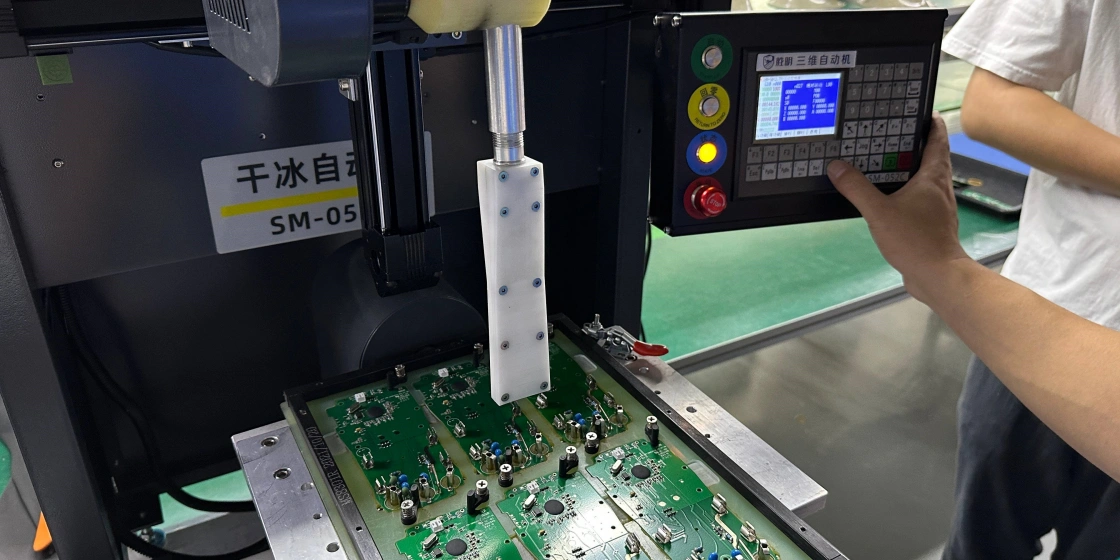
What Should Be Noted in PCBA Processing?
Medical electronic products have their own special needs. Whether it is a medical testing device or a medical support device, it must have very high reliability in use. In matters related to life, there is no room for “roughly” or “about”.
High stability: Especially for medical diagnostic equipment and medical support devices, high stability is essential. Stability is needed during diagnosis and also during clinical use.
Because of the special needs of medical devices, small-batch PCBA assembly factories need stronger quality control in SMT assembly.
1. Component Quality Control
For medical electronics, component control should start from the source of procurement. After purchase, IPQC needs to fully inspect the components, seal samples for storage, and store special BGA and IC parts in a moisture-proof cabinet.
Note that all materials must be lead-free.
2. Solder Paste Quality Control
SMT assembly for medical devices must choose and store solder paste based on product features. The mixing process and the addition of flux must also be strictly controlled.
3. Solder Joint Quality Control
After the quality of the components and solder paste is fully confirmed, solder joint control decides the quality of small-batch PCBA SMT assembly.
During production, quality staff must inspect the products, and professional test equipment must also be used to check solder joints.
4. Electrostatic Protection Control
Static discharge can reach several thousand volts in a moment, and damage to BGA and IC parts can be hidden and potential.
Medical electronics need to handle a large amount of data in use. If static electricity damages a core part and makes it unstable, it will affect product stability.
Other Notes in Medical PCBA Production
In medical electronic SMT processing, there are many other things besides the four points above that PCBA factories must pay attention to. The goal is to truly take responsibility for the product and for the people who use it.
PCB Traceability Requirements for Medical Devices
Manufacturers usually use process reviews done by outside evaluators or, in some cases, by the company itself to check whether they follow industry rules and guidelines.
In either case, enough documents for medical device traceability are essential for accurate evaluation.
In a highly regulated industry, your CM must be a loyal partner to help you meet this basic quality management task.
What Is PCB Traceability?
The ability to track your steps is a valuable asset because it lets you review past practices with the result already known.
But this hindsight is only useful when it includes data or information that identifies actions or areas that need improvement.
For circuit board and electronics manufacturing, traceability can be defined as follows:
Definition: PCBA development traceability means the ability to track and record the raw materials and components used during the whole manufacturing process through specific data, such as the product serial number. It also includes the equipment and processes used, including inspection and verification methods.
Why Does the Medical Industry Value PCB Traceability?
When we look at the importance of traceability for medical PCBA and electronics development, three main points stand out.
-
1. Quality Management
For medical device OEMs and suppliers, the ISO 13485 standard sets internationally recognized requirements for almost all entities involved in the medical device life cycle.
Direct suppliers to companies and organizations that use medical devices must follow this standard, including its document and traceability rules.
An OEM may require, or may not require, other links in the supply chain that provide materials, components, services, and maintenance to follow this standard.
-
2. Process Agility and Risk Management
PCB traceability requirements in medical device development allow manufacturers to build and carry out effective risk management plans.
ISO 14971 is also a well-known international standard. It provides a complete risk management framework, and it includes several templates, such as:
- Preliminary Hazard Analysis (PHA)
- Hazard and Operability Study (HAZOP)
- Failure Mode and Effects Analysis (FMEA)
Using one of these strategies is very important to ensure process agility, so you can make fast changes and improve the overall reliability of the product development process.
-
3. Legal Responsibility and Compliance Requirements
The third reason to meet PCB traceability requirements for medical devices is to build legal protection if an unexpected event happens, which may lead to injury to a patient or other major harm.
In this case, the ability to prove that you follow industry standards is very valuable.
How to Make Sure Medical Device PCB Traceability Requirements Are Met
As noted above, tracking PCBA development through the whole supply chain has many benefits.
But to carry out traceability management well, all process participants need a unified protocol to ensure accurate data recording, document collection, and information sharing.
Key Measures to Meet Medical Device PCB Traceability Requirements
- Follow the applicable industry standards: Follow the standards and requirements related to medical electronics and medical devices.
- Set up supplier traceability agreements: Create traceability requirements with suppliers based on mutual agreement between the user and the supplier (AABUS). The traceability plan for AABUS should be clearly set in advance.
- Choose certified manufacturers: Work only with certified CMs. Make sure the partner has the needed medical device manufacturing certifications and a complete quality management system.
Full Traceability for Medical Electronics
Medical products require complete manufacturing records and component traceability. GreatPCB provides production tracking throughout the assembly process.
- ✓ Component Lot Traceability
- ✓ Manufacturing Process Records
- ✓ Inspection and Test Reports
- ✓ Quality Documentation Support
Main PCB Applications in the Medical Field
Medical PCB applications cover every stage from basic monitoring to advanced surgery. Common medical devices and scenarios mainly include the following:
| Category | Typical Devices | Key PCB Features |
|---|---|---|
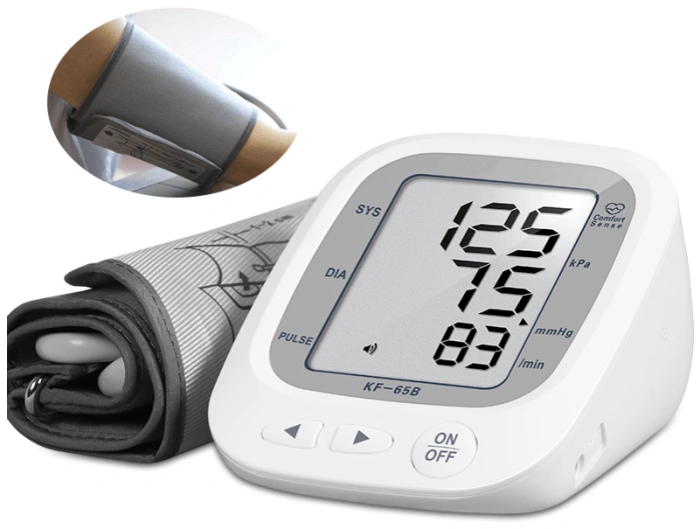
| Diagnostic and Imaging Equipment | CT, MRI, ultrasound, X-ray, blood pressure meter, blood glucose meter, blood analyzer | High-speed signal transmission, high-precision signal integrity, multilayer design, signal integrity, controlled stackup |
| Life Support and Monitoring Equipment | Ventilator, ECG, oximeter, heart rate monitor, infusion pump, anesthesia system, defibrillator | Very high reliability, zero-failure tolerance, redundant design, safety isolation |
| Therapeutic and Surgical Equipment | Pacemaker, neurostimulator, surgical robot, laser therapy device, electrosurgical unit, dialysis machine | Miniaturization, biocompatibility, long service life, high-voltage circuit design |
| Implantable and Miniature Devices | Cochlear implant, capsule endoscope (pill-sized PCB cameras), gastrointestinal tracker, swallowable sensor, neural prosthesis | Flexible/stretchable design, very low power use (standby as low as 10 µW), biocompatible materials (such as polyimide substrates), biological environment compatibility |
| Wearable and Mobile Medical Devices | Smart bands/watches (vital sign monitoring), remote monitoring patches, portable diagnostic devices, insulin pumps, breathing helmets | Lightweight design, low power design, wireless connection, IoT integration, support for frequencies up to 6 GHz |
| Medical Infrastructure | Nurse call systems, hospital alarm devices, ward lighting, air purifiers, sterilization robots | Resistance to disinfection environments, EMC protection, long-term stable operation, impact resistance |
Technical Features and Innovation Trends
Special needs in the medical field have driven many PCB technology innovations:
- Miniaturization and high-density interconnect (HDI) technology: HDI PCBs can achieve higher routing density and smaller trace width/space, with a minimum of 0.075 mm. They are a core technology for miniaturized medical electronic products such as implantable devices and wearable devices. Medical device PCBs made by HUIHE Circuit already use HDI technology, and the layer count has reached up to 28 layers.
- Flexible (Flex) and rigid-flex PCBs: These are used more and more in the medical field. Their bend radius can be as small as 0.5 mm. They are mainly used in endoscopes, hearing aids, pacemakers, and more. Smart wearable devices are an important use case. By combining sensors, computing systems, and human-machine interaction, they support continuous monitoring of a person’s health status.
- Biocompatible materials and packaging: For implantable PCBs, polyimide is a common flexible substrate material. In addition, the biomedical field has developed flexible multilayer circuit board manufacturing that combines laser micromachining and micro-welding, using platinum as the wiring material to achieve resistance below 1 Ω, which is suitable for implantable devices.
- IoT integration: PCBs need to integrate high-speed RF modules and low-power processors that support frequencies up to 6 GHz. With accurate impedance control (±5% tolerance), they can support wireless data transmission and real-time remote monitoring.
- Signal integrity and EMC/EMI design: Medical devices often need to handle weak biological signals, so PCBs must use multilayer board design, optimize signal layer and power layer layout, and use other measures to reduce interference. Related studies also clearly discuss PCB differential-mode and common-mode radiation interference models and suppression methods.
- Reliability design and redundancy: Devices often use redundant designs, such as dual power supplies, backup signal paths, and self-test circuits. For safety-critical functions, triple modular redundancy (TMR) may even be used to remove single-point failures through a majority voting mechanism.
- New PCB applications: Lab-on-PCB is a frontier technology. It integrates microfluidics, biosensing, and electronic circuits on one PCB to make micro biochemical analysis systems for point-of-care testing (POCT) and biological research.
Industry Status and Market Outlook
- Market size: According to Verified Market Reports, the global medical PCB market was worth USD 5.1 billion in 2022 and is expected to reach USD 8.6 billion by 2030, with a compound annual growth rate (CAGR) of about 6.7%. Another forecast says that China’s PCB output value will grow to USD 46.47 billion in 2028.
-
Industry drivers and key customers: The main drivers of market growth include:
- Aging population: Demand for medical devices keeps growing.
- Technology progress: HDI, flexible PCB, and other technologies keep becoming more mature.
- Growth of telemedicine and wearable devices: This is pushing demand for more portable and connected medical electronic products.
Start Your Medical PCBA Project Today
GreatPCB helps medical device companies manufacture reliable PCBAs for critical applications including diagnostic equipment, monitoring systems, wearable medical devices, and life-support electronics.
Upload your Gerber and BOM files today and receive a quotation within 24 hours.
Get Instant Quote →