
Industrial PCB Production: Process, Materials, and Applications
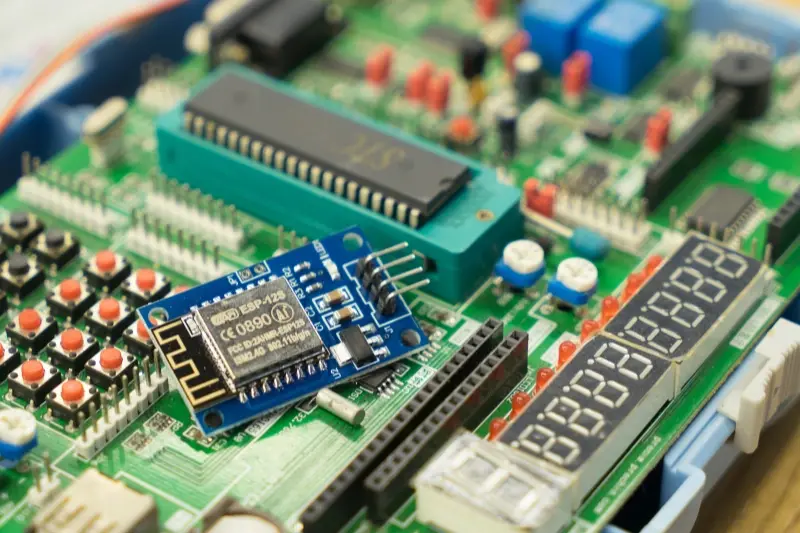
Industrial PCB Production: Process, Materials, and Applications
Modern electronics manufacturing needs strong parts that can handle tough conditions. Unlike everyday gadgets, an Industrial PCB is key for complex machines and critical infrastructure.
These special boards are made for lasting strength and steady work. They can’t just handle heat, shakes, and wetness. They must keep going without breaking down. This makes them crucial for electronics manufacturing success.
Knowing how to design an Industrial PCB is vital. It helps engineers create systems that work for years. Using top-notch materials, these boards keep important systems running, even when things get tough.
Key Takeaways
- Industrial boards are built for superior durability compared to consumer electronics.
- They act as the foundational backbone for heavy-duty machinery.
- Reliability is the primary focus for high-stakes infrastructure projects.
- Specialized materials allow these boards to survive harsh environmental conditions.
- Proper design choices significantly extend the lifespan of complex electronic systems.
The Evolution and Importance of Industrial PCB Technology
The history of circuit boards shows why today’s standards are so high. Over decades, the Industrial PCB has grown from a simple part to a key part of our world. It’s all about getting better performance and integration in complex systems.
Defining the Role of PCBs in Modern Industry
In today’s world, these boards are like the brain of every automated machine. They handle data, control power, and make sure machines move smoothly. Without them, modern factories would stop working.
Now, engineers make these boards do things that were once thought impossible. They’re not just carrying electricity; they’re part of smart manufacturing. They have sensors and processors that let them monitor and act fast.
Why Reliability Matters in Industrial Environments
Machines in factories or power plants face conditions that destroy regular electronics. PCB reliability is key because any failure can cause big problems or dangers. Designers must think about many harsh factors to make sure they last long:
- Extreme temperature changes that make materials expand.
- High vibration from big machines.
- Moisture, dust, and corrosive chemicals.
- Constant electromagnetic interference from powerful equipment.
To make PCB reliability high, quality materials and strict testing are needed. Manufacturers focus on making their products last for years. This is what makes industrial hardware different from regular products.
Essential Materials Used in Industrial PCB Manufacturing
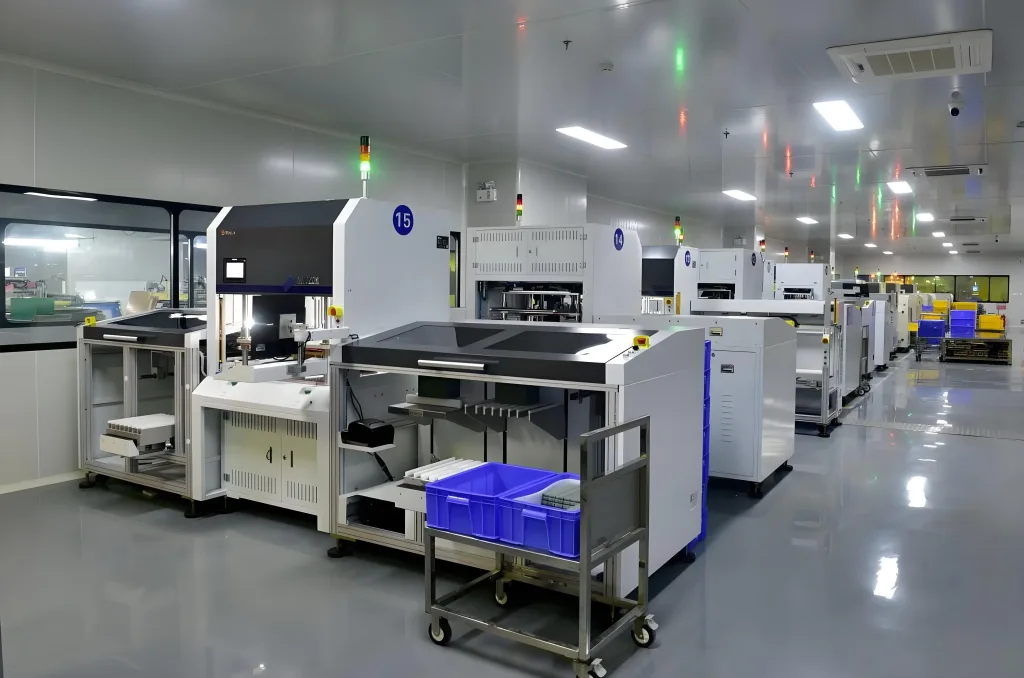
Choosing the right materials is key to a successful PCB manufacturing project. In harsh industrial environments, the board’s physical properties are as crucial as the circuit design. The correct base materials keep your device stable under extreme heat and pressure.
Substrate Selection: FR-4 vs. High-Temperature Laminates
The substrate is the board’s core. Most projects use FR-4, a glass-reinforced epoxy laminate. It balances cost and performance well. But, FR-4 may not handle constant, intense heat well.
For tough applications, engineers often choose high-temperature laminates like polyimide or ceramic-filled materials. These substrates keep their shape even in high temperatures. The right substrate prevents warping or delamination over time.
Conductive Materials and Copper Foil Specifications
The copper foil on your board affects electrical current and thermal loads. The copper’s weight, measured in ounces per square foot, is important. Thicker copper can handle more current and dissipate heat better.
The copper foil’s profile also impacts signal integrity. A low-profile surface reduces signal loss in high-frequency applications. Matching copper specs to power needs ensures efficient operation without overheating.
Solder Masks and Surface Finishes for Durability
A good solder mask does more than add color. It protects against oxidation, dust, and solder bridges during assembly. The mask must be applied evenly to shield copper traces from damage.
The surface finish is crucial for long-term reliability. Finishes like ENIG, HASL, or immersion silver prevent copper corrosion. This layer keeps electrical connections solid over the product’s life.
| Challenge | Primary Impact | Mitigation Strategy |
|---|---|---|
| Signal Noise | Data Corruption | Shielding & Grounding |
| Thermal Cycling | Solder Joint Failure | Low CTE Materials |
| Supply Shortages | Production Delays | Vendor Diversification |
| Mechanical Shock | Physical Damage | Vibration Dampening |
Future Trends Shaping the Industrial PCB Landscape
The future of industrial circuit boards is set for a big change. Engineers are moving away from traditional rigid boards. They need to keep up with complex and compact hardware demands.
These changes are not small. They mark a big shift in how we build the heart of modern industry.
The Rise of Flexible and Rigid-Flex Circuits
Rigid-flex circuits are becoming more popular. They mix the stability of rigid boards with the flexibility of soft materials. This lets makers create highly compact devices that fit in tight spots without losing power.
This flexibility opens up new design possibilities in robotics and wearable sensors. It also makes systems more reliable by cutting down on bulky connectors and wiring. Rigid-flex circuits are now a top pick for engineers who need to save space in crowded areas.
Integration of IoT and Smart Manufacturing
The move toward IoT integration is changing how industrial systems talk and work. Modern PCBs have advanced sensors and wireless modules for real-time data sharing. This is key for smart factories with predictive maintenance and automated workflows.
By adding smarts to the hardware, companies can keep a closer eye on equipment health. This IoT integration cuts down on downtime and saves energy. It’s a big step toward making industrial systems fully autonomous and responsive.
Sustainable Manufacturing and Eco-Friendly Materials
The focus on sustainable electronics is growing to lessen environmental impact. Makers are looking for lead-free solders, halogen-free laminates, and recyclable substrates. This ensures tech can perform well without harming the planet.
Choosing sustainable electronics is now a competitive edge. Companies that focus on green manufacturing see better efficiency and supply chain stability. As we move forward, eco-friendly practices will keep driving innovation in industrial design and building.
Conclusion
Modern industry depends on the quiet power of high-performance circuit boards. These parts are key for innovation in every field in the United States.
Getting the best results needs a focus on quality at every step of making electronics. Engineers must mix material science with exact assembly to handle tough conditions.
Reliability comes from strict testing and smart design. Companies that focus on these areas lead in making electronics worldwide. They solve complex problems with stable, lasting solutions for robotics and green energy.
The future is about using new materials and eco-friendly methods. This change keeps the industry ahead while meeting our connected world’s needs. Your next project can use these proven ways to succeed.
Talk to your engineering team about how these advanced methods fit your goals. Share your thoughts on how these technologies affect your work. Your input helps create the next big things in hardware.
FAQ
What makes an industrial PCB different from a standard consumer-grade circuit board?
Why is substrate selection so important for industrial applications?
How do IPC standards influence the manufacturing process in the United States?
What are the benefits of using Via-in-Pad and Microvia technology?
How does Automated Optical Inspection (AOI) improve PCB reliability?
What role does the surface finish play in the longevity of a circuit board?
How can engineers manage electromagnetic interference (EMI) in dense industrial layouts?
What are the advantages of Rigid-Flex circuits in modern manufacturing?
How is the industry moving toward more sustainable PCB production?
Table of Contents
Tags
Related Posts
PCBA Prototype
April 27, 2026

Get quotes quickly
After the file and information are submitted, our technical staff will review them and respond to you promptly.
Component Procurement
Component procurement is a crucial aspect of the PCB assembly process,involving the sourcing and purchasing of electronic components needed for the assembly of printed circuit boards ,including IC chip. resistors,capacitors, inductors,transformers, connectors,buttons, displays, sensors and so on.
Design PCA
Designing a PCA (PrintedCircuit Assembly) involves creating a layout for the components and circuitry on a printed circuit board(PCB) to meet the functional requirements of the electronic device. Our engineering team has significant real world experience designing PCBS
Metal PCB
Metal Core PCBs play a crucial role in thermal management for electronic devices, offeringa reliable solution for applications that require efficient heat dissipation and enhanced performance.By everaging the thermal conductivity of the meta core.
Standard PCB
Standard PCBs serve as the foundation for electronic circuits and provide a reliable and cost-effective solution for a wide range of applications. Their adherence to industry standards and specifications makes them versatile, accessible. and suitable for diverse electronic design projects.
Flex PCB
Flex PCBs offer unique advantages in applications where flexibility, space savings,and reliability are critical.Their ability to conform to non-planar surfaces and withstand dynamic conditions makes them a preferred choice for a wide range of industriesand innovative productdesigns.
PCB Assembly
Flex PCBs offer unique advantages in applications where flexibility, space savings,and reliability are critical.Their ability to conform to non-planar surfaces and withstand dynamic conditions makes them a preferred choice for a wide range of industriesand innovative productdesigns.