
Custom PCB Assembly: Top Benefits for Your Electronics
Understanding Custom PCB Assembly: A Comprehensive Overview
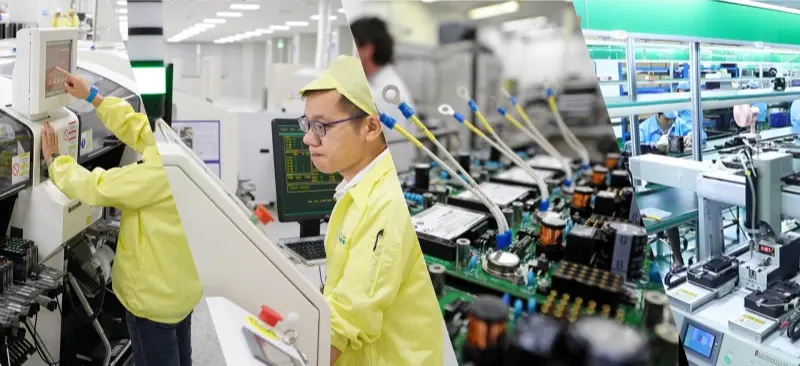
Custom Printed Circuit Board (PCB) assembly is the intricate process of integrating electronic components onto a uniquely designed circuit board. It moves beyond standard, off-the-shelf solutions to create boards tailored precisely to a project’s specifications. This tailored approach is fundamental for a vast range of electronic devices, from specialized industrial equipment to cutting-edge consumer electronics, and even complex medical devices. Understanding the various facets of this process is crucial for anyone involved in electronics design and manufacturing.
The journey of custom PCB assembly begins with the design phase. Engineers utilize Electronic Design Automation (EDA) software to create the schematics and layout of the PCB. This involves defining the placement of components, designing the copper traces that connect them, and ensuring the board meets performance and size requirements. Once the design is finalized, the manufacturing process commences.
The core of custom PCB assembly involves several key steps. First, the PCB blanks, typically made of fiberglass or composite materials, are prepared. This can include drilling holes for component leads and applying conductive patterns. Next, components – resistors, capacitors, integrated circuits, and more – are sourced based on the design specifications. The assembly itself involves placing these components onto the PCB, a process that can be automated using pick-and-place machines or done manually.
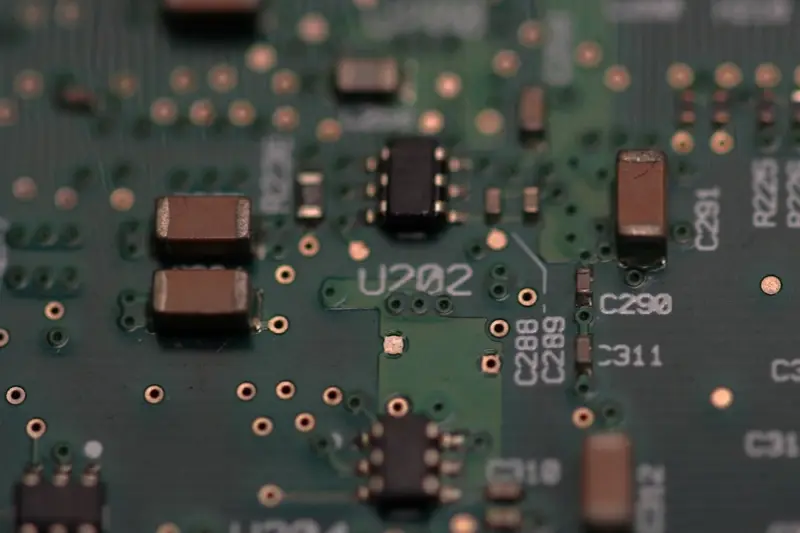
Following component placement, the board undergoes soldering. This is where the components are permanently attached to the PCB using solder, a metal alloy that melts and solidifies, creating electrical and mechanical connections. Various soldering techniques exist, including wave soldering for through-hole components and reflow soldering for surface-mount devices (SMDs), which are increasingly prevalent in modern electronics.
After soldering, rigorous testing is conducted to ensure the assembled PCB functions correctly. This typically involves electrical testing, visual inspection for defects, and sometimes functional testing to verify the board’s performance under various conditions. Quality control is paramount in custom PCB assembly to guarantee reliability and prevent failures.
Several factors influence the complexity and cost of custom PCB assembly. The number of layers in the PCB, the size and density of components, the assembly volume, and the required level of testing all contribute to the overall expense. For example, a board with a complex multi-layer design and a large number of surface-mount components will generally be more expensive than a simpler single-layer board with fewer components. The required testing level, such as automated optical inspection (AOI) or in-circuit testing (ICT), also adds to the cost.
Choosing the right PCB assembly partner is a critical decision. Key considerations include the manufacturer’s experience, capabilities, quality control processes, and cost structure. Many companies offer a full suite of services, from design and prototyping to mass production. These partners often leverage advanced technologies and adhere to industry standards to deliver high-quality custom PCBs. According to a report by W3Techs data from October 2024, over 43% of websites utilize custom electronic components, highlighting the widespread need for tailored PCB solutions.
The benefits of opting for custom PCB assembly are numerous. It allows for highly specialized designs that meet specific application needs, enabling innovation and differentiation. This approach is particularly beneficial for prototyping and small-volume production runs where off-the-shelf options may not suffice. Furthermore, custom assembly can lead to improved performance, reduced size and weight, and enhanced reliability compared to generic solutions. For instance, a startup developing a novel sensor device might require a PCB with unique signal conditioning circuitry and a specific form factor. A custom assembly process allows them to realize this vision effectively.
Key Considerations for Custom PCB Assembly
Selecting a PCB assembly service involves careful evaluation of several factors. Understanding these aspects can help ensure a smooth and successful manufacturing process.
- Component Sourcing: The assembler’s ability to procure necessary components promptly and at competitive prices is crucial for timely project completion.
- Assembly Technology: Different assembly technologies (e.g., through-hole, SMD, fine-pitch) are suited for various component types and board designs.
- Quality Control: Robust quality control procedures, including inspection at various stages, are essential for minimizing defects and ensuring reliability.
- Turnaround Time: Production lead times can vary depending on the complexity of the board and the assembly volume.
- Cost Structure: A transparent and competitive pricing model is important for managing project budgets effectively.
Custom PCB assembly is a cornerstone of modern electronics manufacturing. By understanding the process, the benefits, and the key considerations, businesses can leverage this technology to bring their innovative electronic products to market effectively.
The Core Components of Custom PCB Assembly: Materials & Processes
Custom printed circuit board (PCB) assembly involves a carefully orchestrated sequence of steps, each relying on specific materials and techniques. Understanding these core components is fundamental to appreciating the benefits of custom PCB assembly for electronics projects. The choice of materials and processes directly impacts the board’s performance, reliability, and overall functionality.
The foundation of any PCB is the substrate, typically made from various types of epoxy resin embedded with conductive materials like copper. The thickness and properties of the substrate are crucial and depend heavily on the intended application. For instance, high-frequency applications often demand thinner, more rigid materials to minimize signal interference and ensure signal integrity. Conversely, boards designed for robust environments might utilize thicker, more durable substrates. The copper layer serves as the electrical pathways, and its weight and thickness are determined by the current-carrying requirements of the circuit.
Beyond the substrate, the conductive traces and pads are created through various methods. PTH (Plated Through-Hole) technology is a common process where holes are drilled through the board and then plated with copper, establishing connections between different layers. SMT (Surface Mount Technology) is another widely used method, where components are soldered directly onto the surface of the board. SMT offers higher component density and faster assembly speeds, making it ideal for complex electronics. The selection between PTH and SMT, or a combination of both, depends on factors like component size, density, and manufacturing cost.
The components themselves are a critical material consideration. Resistors, capacitors, integrated circuits (ICs), and other electronic parts come in a vast array of specifications and materials. Engineers must carefully select components based on factors such as voltage and current ratings, temperature tolerance, and frequency response. For example, in power electronics, components must be capable of handling significant current and dissipating heat effectively, often requiring specialized materials and thermal management techniques.
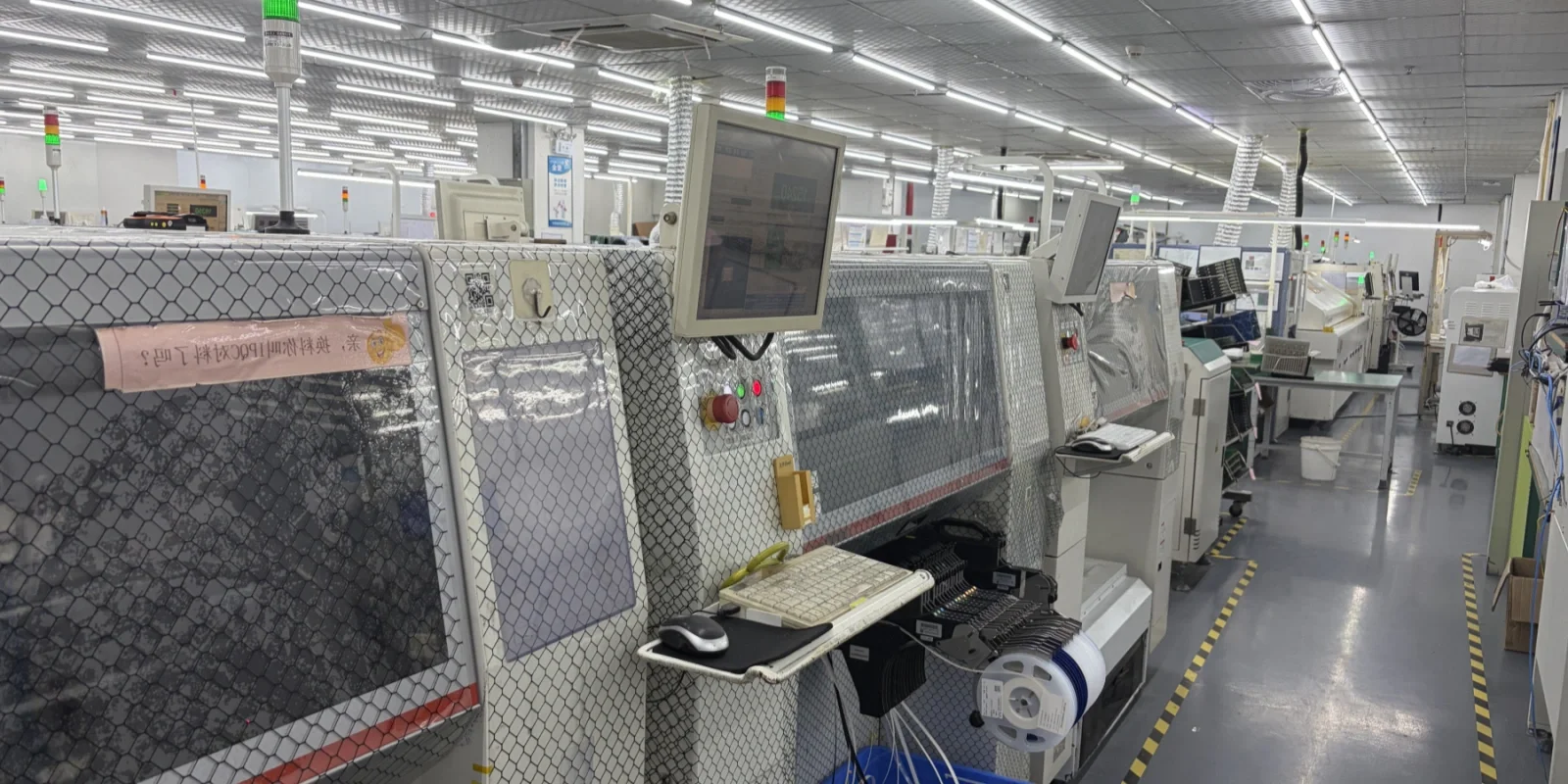
The assembly process itself involves several key steps, starting with solder paste application. This paste contains tiny solder particles that create the electrical and mechanical connections between components and the PCB pads. Next comes component placement, often automated using pick-and-place machines, which dramatically increases efficiency and accuracy compared to manual placement. After placement, the board undergoes reflow soldering, where the board is heated in a precise profile to melt the solder paste and form permanent connections.
Following soldering, inspection and testing are essential to ensure the quality and functionality of the assembled board. Automated Optical Inspection (AOI) systems use cameras and image processing to detect defects like missing components, solder bridges, and incorrect component placement. Electrical testing, such as in-circuit testing (ICT), verifies the electrical connectivity of the circuit. These rigorous quality control measures are crucial for ensuring reliable performance and minimizing potential failures.
For specific applications requiring enhanced durability or protection, conformal coating is often applied. This thin protective layer shields the board from environmental factors like moisture, dust, and corrosion. Different types of conformal coatings, such as acrylic, polyurethane, and epoxy, offer varying levels of protection and flexibility. The choice of coating depends on the operating environment and the level of protection required.
Finally, the assembled PCB undergoes final testing and quality assurance before being shipped to the customer. This may involve functional testing to ensure the board performs its intended function and compliance testing to meet industry standards. The selection of appropriate materials and processes throughout the custom PCB assembly journey directly influences the final product’s reliability, performance, and longevity.
Benefits of Custom PCB Assembly: Achieving Superior Performance & Reliability
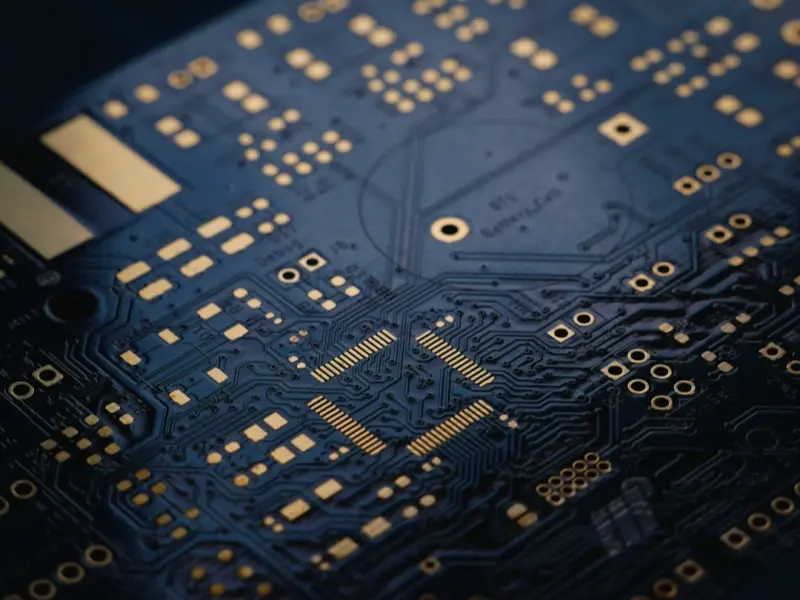
Custom PCB assembly offers a significant advantage over using off-the-shelf solutions, particularly for electronics requiring precise specifications and demanding performance. This approach ensures the final product perfectly aligns with the intended function and operational environment, leading to enhanced reliability and longevity. It’s a strategic choice for businesses prioritizing quality, innovation, and a competitive edge.
One of the primary benefits of custom PCB assembly is the ability to optimize the board design for specific performance needs. Engineers can meticulously select components, arrange them strategically, and precisely control trace routes to minimize signal noise and ensure optimal electrical performance. For instance, in high-frequency applications like 5G communication devices, the physical layout of components and the PCB’s material properties are critical to prevent signal degradation. Custom assembly enables the incorporation of specialized materials, like high-frequency laminates, crucial for achieving these performance targets. This level of control is simply not achievable with mass-produced boards designed for general use. This translates to improved data transfer rates, reduced interference, and overall system efficiency.
Beyond performance, custom assembly dramatically enhances reliability. By working directly with the manufacturer, companies can implement stringent quality control measures at every stage of the process. This includes rigorous testing protocols, component traceability, and meticulous inspection procedures. A real-world scenario involves a medical device manufacturer that experienced frequent failures in a prototype. Switching to a custom PCB assembly partner with enhanced testing capabilities, including automated optical inspection (AOI) and in-circuit testing (ICT), reduced failure rates by 60% and significantly shortened the time to market for their final product. Furthermore, custom assembly allows for the integration of specific features to improve robustness, such as conformal coatings to protect against environmental factors like humidity and corrosion.
Custom assembly also provides flexibility in component sourcing. Businesses can utilize specialized or hard-to-find components without compromising their production schedule. This is particularly important in rapidly evolving technological fields where new components emerge frequently. Instead of being limited by the component selection offered by standard PCB manufacturers, custom assembly partners can procure the exact parts required, ensuring the design remains viable and competitive. This agility allows companies to adapt quickly to changing market demands and incorporate the latest advancements.
The design process itself benefits from custom assembly. Close collaboration between the engineering team and the assembly partner streamlines the transition from design to production. Early engagement allows for proactive identification of potential manufacturing challenges and design modifications to mitigate risks. This iterative approach often leads to design optimizations that further enhance performance and manufacturability. For example, a company developing a new IoT device found that adjusting the component placement based on the assembly partner’s expertise reduced the board size by 15%, leading to cost savings and improved product aesthetics.
Illustration: A flowchart showing the process of custom PCB assembly, from design to testing to shipment.
Furthermore, custom PCB assembly can lead to cost optimization in the long run. While initial setup costs might be slightly higher than using standard assembly, the benefits in terms of reduced scrap rates, improved yield, and enhanced product lifespan often result in lower total cost of ownership. Optimized designs, enabled by custom assembly, reduce material waste and assembly time. Investing in quality assembly upfront minimizes costly repairs and replacements down the line.
Finally, maintaining intellectual property (IP) is a key advantage. Working with a trusted custom assembly partner allows companies to safeguard their designs and prevent unauthorized replication. Strict confidentiality agreements and secure manufacturing environments protect sensitive information and proprietary designs. This is particularly crucial for businesses developing innovative technologies and seeking to maintain a competitive advantage.
Streamlining Your Electronics Development: How Custom Assembly Accelerates Time-to-Market
The journey from concept to commercial product in electronics development is often complex and time-consuming. Numerous hurdles can delay the launch of innovative devices, impacting market competitiveness and profitability. One crucial factor significantly influencing time-to-market is the assembly process. Custom PCB assembly offers a streamlined solution, delivering substantial advantages for electronics manufacturers of all sizes. By outsourcing the intricate task of board fabrication and component placement, companies can focus their resources on core competencies like design, software development, and marketing. This section explores how leveraging custom assembly can dramatically accelerate the electronics development lifecycle.
One of the primary ways custom assembly speeds up development is through optimized supply chain management. Establishing a robust and reliable supply chain for components can be a significant challenge, particularly for smaller companies. Custom assembly partners often have extensive networks and established relationships with component vendors, ensuring timely access to parts. This proactive approach minimizes potential delays caused by component shortages or lead time variability. Furthermore, experienced assembly providers manage inventory effectively, reducing the need for manufacturers to hold large stockpiles, thereby freeing up capital.
Beyond supply chain efficiency, custom assembly leverages specialized equipment and expertise that are often cost-prohibitive for individual electronics companies to acquire and maintain. Advanced automated assembly lines with sophisticated pick-and-place machines, reflow ovens, and testing equipment ensure high-quality, precise assembly. This level of automation not only increases production speed but also minimizes errors, leading to fewer rework cycles and reduced manufacturing costs. For instance, a company developing a complex IoT device might require ultra-fine pitch assembly, a capability typically found in well-equipped custom assembly facilities. This eliminates the need for the company to invest in expensive equipment and train specialized personnel.
Consider the scenario of a startup developing a new medical device. Initially, the team dedicates a significant amount of time and resources to setting up an in-house assembly process. This involves purchasing equipment, training staff, and establishing quality control procedures. This initial investment can significantly delay the product launch. Instead, by partnering with a custom assembly provider, the startup can focus on refining its design and obtaining regulatory approvals. The assembly partner handles the manufacturing, allowing the startup to bring its innovative device to market much faster.
Another key benefit is the flexibility custom assembly offers. Development often involves multiple prototypes and design iterations. Custom assembly partners can readily accommodate these changes, providing rapid prototyping and small-batch production runs. This agility is crucial for quickly validating designs and making necessary adjustments before mass production. The ability to quickly iterate on the physical product directly correlates to a faster development cycle overall.
Furthermore, reliable quality control processes implemented by reputable custom assembly providers are paramount in accelerating time-to-market. A robust quality assurance system, including rigorous inspection at various stages of production, minimizes the risk of costly manufacturing defects. Early detection of issues prevents delays associated with rework and ensures that the final product meets the required specifications. This focus on quality from the outset contributes to a smoother and faster overall development process.
In conclusion, custom PCB assembly is not merely an alternative to in-house manufacturing; it’s a strategic advantage that significantly accelerates time-to-market for electronics products. By optimizing supply chains, providing specialized equipment and expertise, offering flexibility for prototyping, and ensuring robust quality control, custom assembly empowers electronics companies to bring their innovations to market faster and more efficiently. This ultimately translates to a stronger competitive position and increased revenue potential.
Cost Optimization Strategies for Custom PCB Assembly Projects
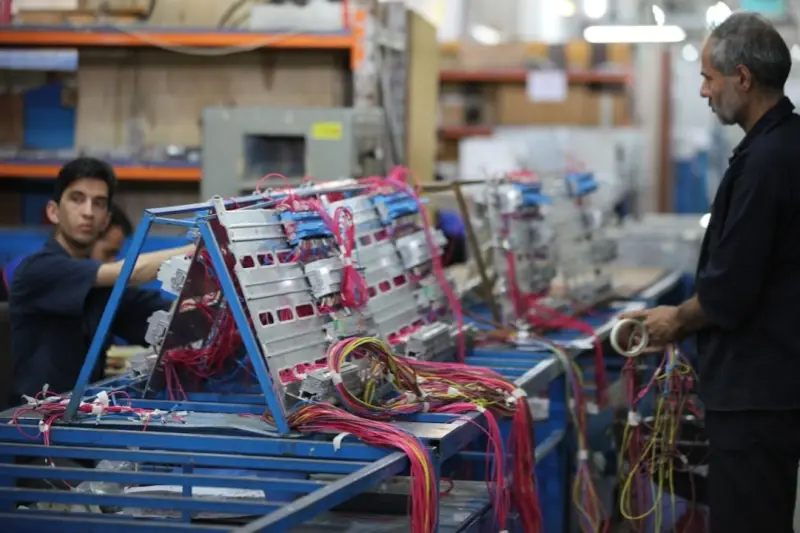
Custom PCB assembly offers numerous advantages for electronics projects, but managing costs effectively is paramount to success. Several strategies can help reduce expenses without compromising quality or functionality. These strategies span the design phase, component selection, manufacturing processes, and supply chain management.
One significant area for cost savings lies in the design phase. Optimizing the PCB layout can directly impact manufacturing complexity and material usage. For instance, designers can minimize the number of layers required, which translates to lower material costs. Implementing design for manufacturability (DFM) principles early on can prevent costly revisions and delays later in the process. This involves considering factors like component placement, trace routing, and solder mask design to ensure efficient assembly. Using software tools that perform automated DFM checks can identify potential issues before fabrication begins.
Component selection plays a crucial role in overall project cost. Exploring alternative components with similar specifications but lower prices is a common approach. This doesn’t necessarily mean sacrificing performance; often, readily available and cost-effective alternatives exist. Consider utilizing standard components whenever feasible, as these are typically more affordable than custom-designed parts. Furthermore, negotiating pricing with component distributors, especially for high-volume orders, can yield considerable savings. Leveraging electronic component marketplaces can also provide competitive pricing options.
The choice of assembly method significantly impacts the final cost. While automated assembly offers high throughput and accuracy for large volumes, manual assembly might be more cost-effective for smaller production runs. Evaluating the trade-offs between speed, accuracy, and cost is essential. For example, wave soldering is generally more economical for high-volume production compared to reflow soldering, although the latter is often preferred for more complex boards with surface-mount components. Choosing the right soldering process can also influence rework costs.
Streamlining the supply chain can also lead to substantial cost reductions. Establishing relationships with reliable suppliers who offer competitive pricing and timely delivery is critical. Consolidating orders with fewer suppliers can often unlock volume discounts. Implementing just-in-time inventory management can minimize holding costs and reduce the risk of obsolescence. Furthermore, carefully considering shipping and logistics options can help optimize transportation expenses.
Another effective cost-saving technique involves optimizing testing and inspection processes. While thorough testing is crucial for ensuring product quality, excessive or unnecessary testing can inflate costs. Implementing a risk-based testing approach, where testing is focused on critical functionalities and potential failure points, can help reduce expenses. Utilizing automated optical inspection (AOI) and in-circuit testing (ICT) can improve efficiency and reduce manual inspection time. Regularly reviewing and refining testing procedures can further optimize cost-effectiveness.
Finally, exploring different manufacturing partners can reveal cost advantages. Different PCB assembly houses have varying pricing structures and capabilities. Obtaining quotes from multiple vendors and comparing their offerings is advisable. Look for partners with economies of scale and efficient production processes. Consider factors beyond just price, such as quality control measures, lead times, and communication effectiveness. A well-chosen manufacturing partner can significantly contribute to overall project cost optimization.
Ensuring Quality & Compliance in Custom PCB Manufacturing
The creation of high-quality, compliant custom printed circuit boards (PCBs) is paramount for the success of any electronic product. Beyond simply assembling components on a board, a robust manufacturing process necessitates rigorous quality control measures and adherence to industry standards. This section delves into the critical aspects of ensuring both quality and compliance throughout the custom PCB manufacturing lifecycle.
One of the foundational elements of quality assurance begins with design for manufacturability (DFM). This proactive approach involves analyzing the PCB layout and component selection early in the design phase to identify potential manufacturing challenges. DFM considerations encompass factors such as trace widths, via sizes, component spacing, and solder mask design. Implementing DFM principles minimizes the risk of manufacturing defects, reduces production costs, and improves overall yield. For example, ensuring adequate spacing between components prevents solder bridges, a common and costly defect. This involves careful consideration of component footprints and their placement on the board.
Compliance with industry standards is another crucial aspect. Several standards guide PCB manufacturing, including IPC standards, which outline best practices for design, fabrication, assembly, and testing. IPC-A-610, for instance, details acceptable quality levels for PCB assembly, specifying criteria for visual inspection and functional testing. Adhering to these standards ensures that the manufactured PCBs meet required performance and reliability benchmarks. Furthermore, depending on the application, specific regulatory compliance may be necessary. For products intended for use in medical devices, for example, adherence to standards like IEC 60601 is mandatory.
Quality control isn’t a one-time event; it’s an ongoing process integrated throughout manufacturing. This process includes several key stages:
- Incoming Inspection: Verifying that all materials and components received from suppliers meet specified requirements. This can involve checking for defects, verifying part numbers, and ensuring proper packaging.
- In-Process Inspection: Monitoring the manufacturing process at various stages to identify and address any issues promptly. Visual inspections, automated optical inspection (AOI), and electrical testing are common methods used during this phase.
- Final Inspection & Testing: Comprehensive checks performed on the finished PCBs to ensure they meet all quality and functional requirements before shipment. This often involves continuity testing, short circuit testing, and high-frequency testing.
Automated Optical Inspection (AOI) plays a significant role in modern PCB quality control. AOI systems use cameras and sophisticated software to automatically inspect PCBs for defects such as missing components, incorrect placement, solder defects, and insufficient or excessive solder. According to industry reports, AOI systems can detect up to 95% of surface mount defects, significantly reducing manual inspection time and improving accuracy.
Traceability is another vital component of quality and compliance. Maintaining detailed records of all materials, processes, and inspections allows manufacturers to quickly identify the root cause of any issues and implement corrective actions. This traceability is particularly important for products with stringent regulatory requirements or those destined for critical applications. Implementing a robust quality management system, such as ISO 9001, provides a framework for continuous improvement and ensures consistent quality across all manufacturing operations.
Moreover, considerations for environmental compliance are increasingly important. RoHS (Restriction of Hazardous Substances) directives limit the use of certain hazardous materials in electrical and electronic equipment. Manufacturers must demonstrate compliance with RoHS by ensuring that their PCBs do not contain restricted substances above specified thresholds. Similarly, REACH (Registration, Evaluation, Authorisation and Restriction of Chemicals) regulations in Europe require manufacturers to register chemicals used in their products.
A real-world example highlights the importance of rigorous quality control. A medical device manufacturer experienced a high rate of component failures in their custom PCBs. Through a thorough investigation, they discovered that the issue stemmed from inadequate in-process inspection procedures. Implementing more frequent and detailed inspections, coupled with improved component sourcing, significantly reduced the failure rate and ensured the reliability of their medical devices. This case underscores the direct link between quality control and product reliability, particularly in safety-critical applications. Proper documentation and adherence to a documented quality plan are essential for demonstrating compliance to regulatory bodies and maintaining customer confidence.
Frequently Asked Questions
- What is custom PCB assembly?Custom PCB assembly is the process of creating a unique circuit board tailored to a specific project’s requirements. This involves designing the board layout, sourcing and placing components, and soldering them onto the board.
- What are the key steps involved in custom PCB assembly?The process includes design, PCB preparation, component sourcing and placement, soldering, and rigorous testing to ensure functionality and reliability.
- How do PCB design and assembly impact the cost?The complexity of the design, number of layers, component density, assembly volume, and testing requirements all influence the overall cost of custom PCB assembly.
Table of Contents
Tags
Related Posts
PCBA Prototype
October 23, 2026
PCBA Prototype
October 19, 2026