
Assembly


PCB Fiducial Marks: Size, Placement and Design Guidelines
Rigid-Flex PCB Bend Radius Guide
High-Frequency PCB Material Selection Guide
Get the components for your next PCB assembly build with GreatPCB. We review your bill of materials (BOM), identify purchasing questions and coordinate the parts with your assembly requirements. Choose full turnkey sourcing or help with selected items.
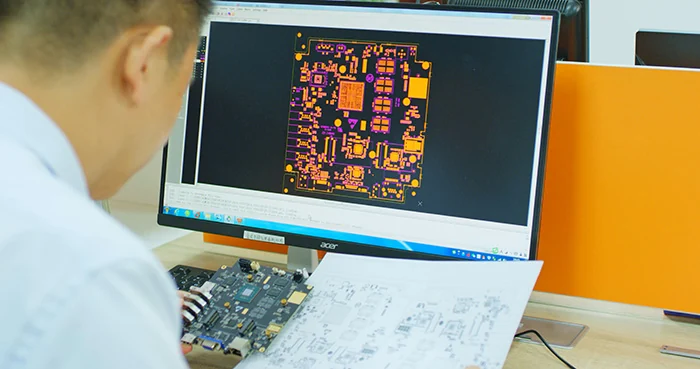
Illustrative engineering review. Confirm component requirements before purchasing.
Sourcing Options
Choose how to divide component purchasing between your team and GreatPCB. The sourcing scope can cover ICs, resistors, capacitors, connectors and other BOM items, subject to availability and your specifications.
| Option | GreatPCB’s scope | What you provide |
|---|---|---|
| Full turnkey | Source the agreed BOM items and coordinate them with PCB fabrication and assembly. | BOM, build quantity, purchasing requirements and approvals. |
| Partial turnkey | Source selected items and combine them with your supplied components. | The remaining parts and a clear list of who supplies each item. |
| Customer-supplied | Assemble using your supplied kit after the agreed receiving checks. | Labeled components, quantities and relevant packaging or handling information. |
Have preferred manufacturers, approved suppliers or parts you must buy yourself? Mark them before quotation. For a complete build, see our turnkey PCB assembly service. These options also support low-volume PCB assembly, where purchasing quantities and packaging deserve early attention.
From BOM to Assembly
- Review the BOM. We check the revision, part identification, quantities and do-not-populate items. Questions about incomplete specifications are raised before purchasing.
- Check availability. Available quantities, quoted lead times and unavailable items help establish what can be purchased for the build.
- Confirm the quote. Agree on the sourcing split, purchasing quantities and open questions. Any proposed changes need approval before they enter the purchasing list.
- Purchase the confirmed parts. The approved BOM and purchasing requirements define what is ordered. Changes to the design or quantity may require a revised quote.
- Prepare for assembly. Received parts are checked against the agreed requirements and matched to the build. Any shortage or discrepancy needs resolution before the affected work proceeds.
Keep the BOM, placement file and assembly drawings on the same revision. A correct purchase can still become an assembly problem if production receives an older component list.
Shortages and Approved Alternatives
Unavailable or Obsolete Parts
A single unavailable IC can hold up an otherwise complete kit. Highlight known long-lead or end-of-life parts when requesting a quote so the discussion starts with the items most likely to affect your schedule.
Depending on the part, the options may include waiting for supply, checking an approved alternative or supplying the item yourself. Confirm stock and delivery estimates when releasing the order.
Alternative Approval
We do not substitute components without your approval. An approved vendor list (AVL) or a list of acceptable manufacturer part numbers helps define that approval in advance.
The same footprint or nominal value does not establish compatibility. Depending on the component, review the pinout, dimensions, electrical ratings, tolerance, temperature grade and firmware requirements. Your engineering team should confirm suitability and any validation needed before a new part is released for purchase.
For example, two capacitors marked “10 µF” may have different voltage ratings, tolerances or dielectric characteristics. Providing the complete manufacturer part number avoids leaving those choices unresolved.
Incoming Inspection and Traceability
Clear purchasing requirements make receiving checks more useful. Identify any required sources, component grades and documentation at the quotation stage, especially for critical or difficult-to-replace parts.
The receiving scope should address:
- Part identity: manufacturer, part number, package and quantity against the purchasing list.
- Condition: damaged leads, inconsistent markings or packaging issues that need investigation.
- Records: available supplier documents, labels and lot or date information, with project-specific traceability agreed in advance.
- Handling: appropriate ESD protection and, for moisture-sensitive parts, packaging condition and relevant opening or exposure information.
Visual and label checks can identify discrepancies, but they do not establish every component’s authenticity or electrical performance. Discuss any additional inspection or verification requirements before purchase. Finished-board inspection and assembly testing are separate parts of the build plan.
Cost and Lead Time
Component pricing depends on the exact part, available supply and purchasing quantity. To compare quotations fairly, check what quantity is being purchased and what the quote includes.
Packaging and order quantities. A reel, tray, tube or cut-tape supply can have different purchasing and production requirements. Supplier minimum orders or pack sizes may mean buying more than the theoretical board requirement.
Production allowance. Setup and handling can require additional components. Confirm the allowance for the actual parts and build rather than applying one percentage to every BOM line.
Excess material. Agree on ownership and whether unused components will be returned, stored or handled another way. Include any related charges in that discussion.
Schedule. Long-lead parts, approval delays and incomplete deliveries can affect when a kit is ready. Confirm whether a quoted schedule covers procurement, assembly or delivery; partial arrivals alone do not mean the build can begin.
Our PCB assembly cost page explains the wider quotation, while the PCB assembly lead-time guide covers how sourcing fits into the project schedule.
Request a Sourcing Quote
Send an editable BOM with the following information where available:
| BOM information | Why it matters |
|---|---|
| Manufacturer and complete part number | Identifies the component to purchase, including ordering suffixes. |
| Reference designators and quantity per board | Connects each item to its assembly positions and required quantity. |
| Package and critical specifications | Helps identify missing or conflicting information. |
| DNP / do-not-populate items | Separates fitted components from positions left empty. |
| Approved alternatives or AVL | Defines which choices are already acceptable. |
| Customer-supplied items | Makes the purchasing split clear. |
Include the board quantity, BOM revision, target date and special sourcing requirements. If a field is missing, flag it so it can be resolved rather than guessed.
FAQ
Can you source only part of my BOM?
Yes. In a partial-turnkey project, identify the items you will supply and those GreatPCB should source. Confirm their quantities and arrival dates together.
Will you use substitutes without approval?
No. Purchasing follows the confirmed part requirements and approved alternatives. A proposed new replacement needs your approval first.
What happens if a part is out of stock?
The affected item needs a purchasing decision: wait for availability, review an alternative or arrange customer supply. Its effect on the build date depends on the rest of the kit and assembly plan.
How are excess components handled?
Confirm ownership, return or storage arrangements and any charges before purchasing. The arrangement depends on the order; do not assume every unused part is automatically stored or returned free of charge.