How to Prevent Solder Bridging in PCB Assembly
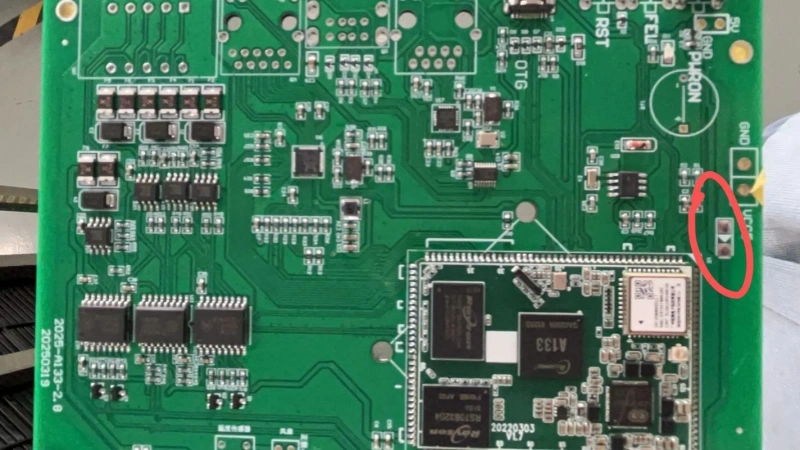
Solder Bridging and Common Soldering Defects
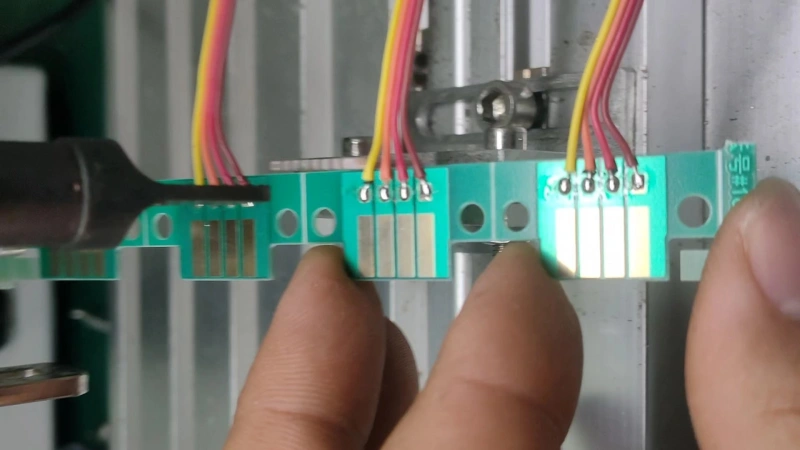
As electronic devices become smaller and more compact, one problem that manufacturers face more and more is solder bridging. As the name suggests, this is a common defect that happens when solder flows between connectors and forms a bridge. If two points on a circuit board that should not be connected are joined by solder, it can cause an electrical short, and this can lead to damage.
Bridging can happen at different stages of the manufacturing process. Some common causes of bridging include:
- Poor PCB design, with large components placed on one side, which can cause uneven weight distribution
- Missing the correct component orientation
- Not enough space between pads
- Reflow oven settings
- Placement pressure from components and some other reasons
Some common soldering problems include:
- Tombstoning – This is when a component lifts during wave soldering and stands up like a tombstone. This is often caused by incorrect lead length or by using components with different solderability requirements.
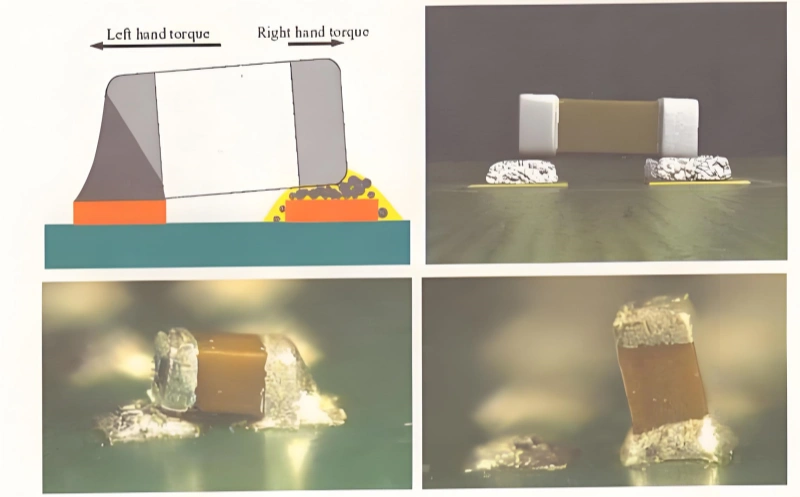
- Excess solder – As the name suggests, this happens when too much solder builds up. This may be caused by a conveyor speed that is too fast or by an incorrect lead-length-to-pad ratio.
- Solder balls – This happens when solder sticks to the PCB by itself during wave soldering. Solder balls can be caused by temperature that is too high, or by solder splashing back onto the board.
- De-wetting and non-wetting – De-wetting means molten solder covers the pad and then pulls back, leaving a mass of solder behind. Non-wetting means solder stays on bare copper. This is often caused by a need to change the flux, or by poor plating on brass components.
- Lifted pads – This happens when a soldered component needs to be removed and the pad lifts off the PCB. Lifted pads are often caused by too much stress on the pad joint, or even by uneven copper plating.
- Pinholes and blowholes – These are caused by too much moisture on the board or by poor copper plating.
No matter how solder bridging is viewed, the fact is that it can cause many problems. While we cannot make sure that solder bridging will never happen, there are key steps that can greatly reduce the risk of soldering defects.
Here are some easy tips to reduce solder bridging:
Circuit board design
Careful review of the PCB design can be an effective step to reduce bridging. Common areas to check include adjusting aperture width or checking the area ratio. In many cases, adding a solder mask dam can also help prevent bridging.
Reflow profile
In general, molten solder tends to flow toward hotter surfaces. If the lead is hotter than the pad, that is where solder bridging will appear first. To change this, increasing the soak time can help. This can make the temperature more even.
Non-contact solder paste printing
This can be avoided by changing the stencil and the board design, so non-contact printing can be prevented.
Amount of solder paste
Reducing the amount of solder paste can also reduce bridging. Using components with longer leads can also help a lot, because it helps stop solder from flowing between leads.
Solder mask
Proper use of solder mask can greatly help reduce the risk of solder bridging.
Correct lead length
Long leads on through-hole components often cause solder bridging. So, the right lead length should be used based on the PCB size and thickness, soldering type, and other factors.
Fiducials
Fiducials, or precise reference marks placed in the PCB design, can help a lot in aligning components on the board. Three fiducial marks are often recommended. Poor fiducial placement can cause parts to align wrong, and this can then lead to solder bridging.
Even though you may not control the manufacturing process, you can still control your choice of partner. It is best to choose a partner with enough experience so they can take the right steps to control solder bridging. With the knowledge of how to prevent solder bridging, you can ask the PCB assembly shop direct questions about their process, board design, reflow profile, and more, so you can judge their skill in preventing solder bridging problems.
Table of Contents
Related Posts
PCBA Prototype
September 8, 2026