
How to Prevent Solder Bridging in PCB Assembly
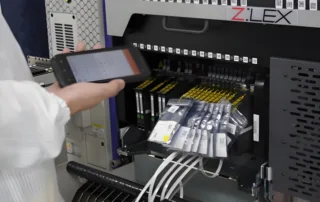
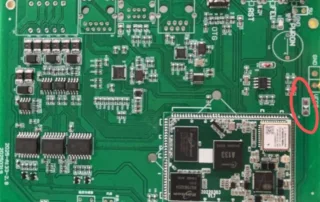
Solder Bridging and Common Soldering Defects As electronic devices become smaller and more compact, one problem that manufacturers face more and more is solder bridging. As the name suggests, this [...]
4 Key Tips for Successful PCBA Mass Production
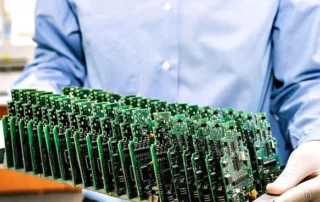
For electronics companies, PCBA processing is an important step in turning a design into a real electronic product. Only very large companies can build a complete in-house production line. Most [...]
PCB Final Surface Finish: Electroless Nickel Guide
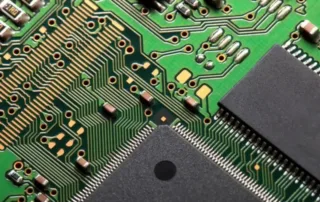
The final surface finish process in PCB manufacturing has gone through major changes in recent years. These changes came from the growing need to solve the limits of HASL (hot [...]
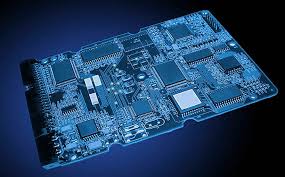
Step-by-Step Guide to Estimate the Cost of PCB Assembly Prototype
Prototyping development of a pcb assembly is half of the process of taking your electronic product from concept to production. Prototyping cost estimation, however, is not easy, particularly if what [...]
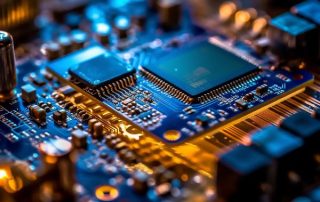
An overview of Printed Circuit Boards (PCBs): The Pillars of Electronic Industry
A Printed Circuit Board (PCB) is a flat board with conductive trails engraved on its surface. The material used for PCB is generally non-conductive such as fiberglass or composite epoxy. [...]

An In-Depth Look at the Reflow Soldering Process
Reflow soldering is a key process in the electronics industry, primarily used to attach surface-mount components to printed circuit boards (PCBs). It involves applying solder paste at specific locations on [...]
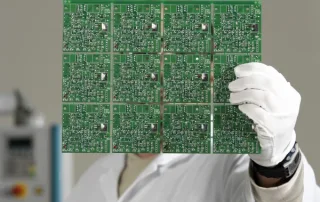
Unlock the Power of PCBA Panelization
In the field of electronics manufacturing, the quality and efficiency of Printed Circuit Board Assembly (PCBA) directly impact product performance and production outcomes. Among the many critical processes in PCBA [...]

PCB Trace Width Calculator: How to Use?
Do you know that you need to set the PCB trace width calculator to avoid damage? Are you aware that the trace width determines the amount of current you can [...]
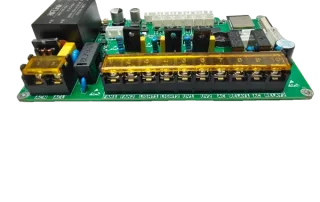
PCB Design for Manufacturability (DFM)
Each PCB design should aim to minimize total costs and the potential for DFM issues (mostly a requirement from management, but whether engineers follow through varies by individual). Generally, this [...]

What is the role of the PCB half-hole?
The PCB half hole is widely used in the PCB manufacture of modern circuit boards, which can make the connection between electronic circuit board components close, and also enhance the [...]



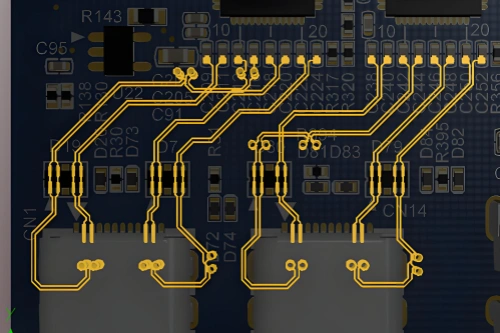


Application of AOI technology in SMT manufacturing
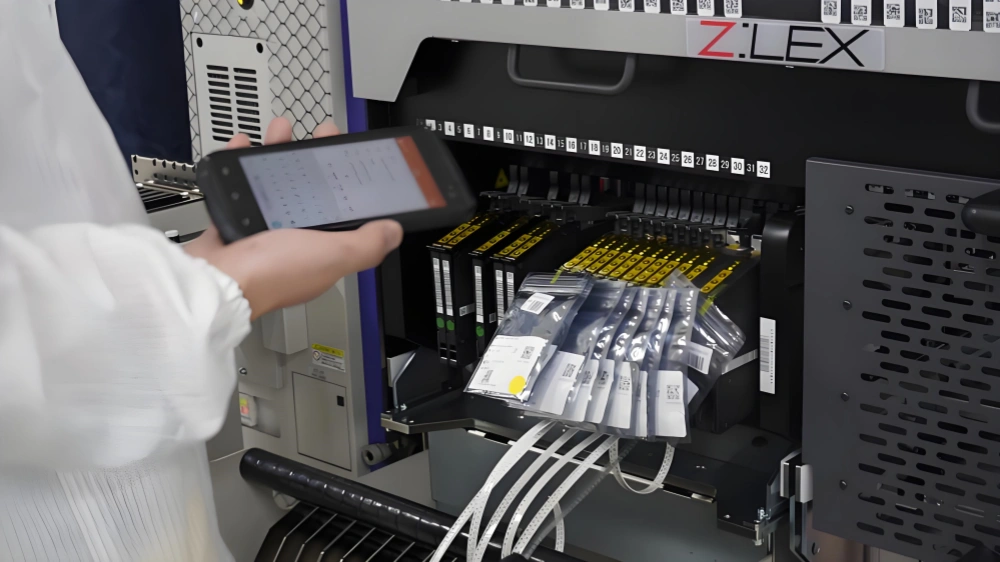
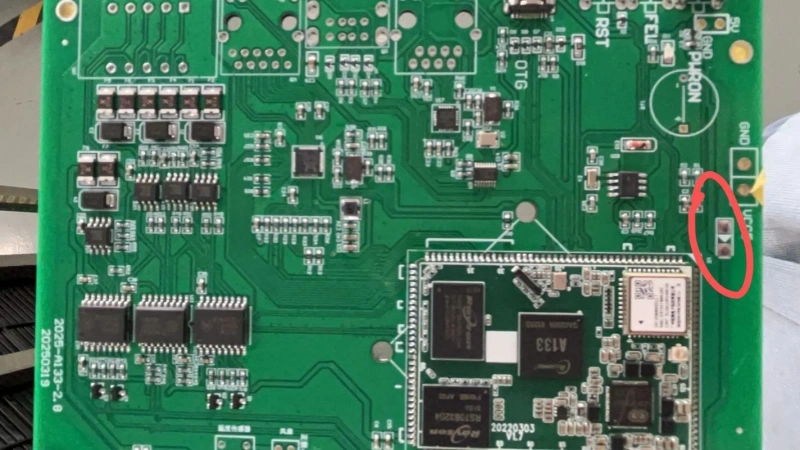
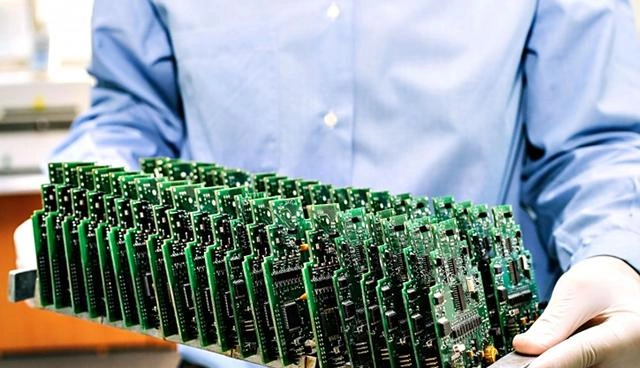
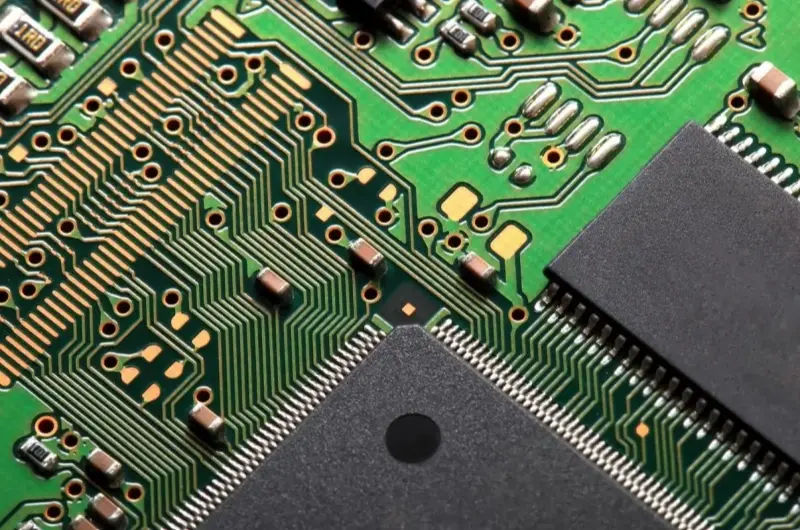
Automatic optical detection is an advanced quality inspection technology, and AOI realizes the comprehensive detection of circuit board components, welding, and mounting in SMT PCB manufacturing. It uses a camera [...]