
PCB Assembly Component Shortages: What to Do When a Part Is Unavailable
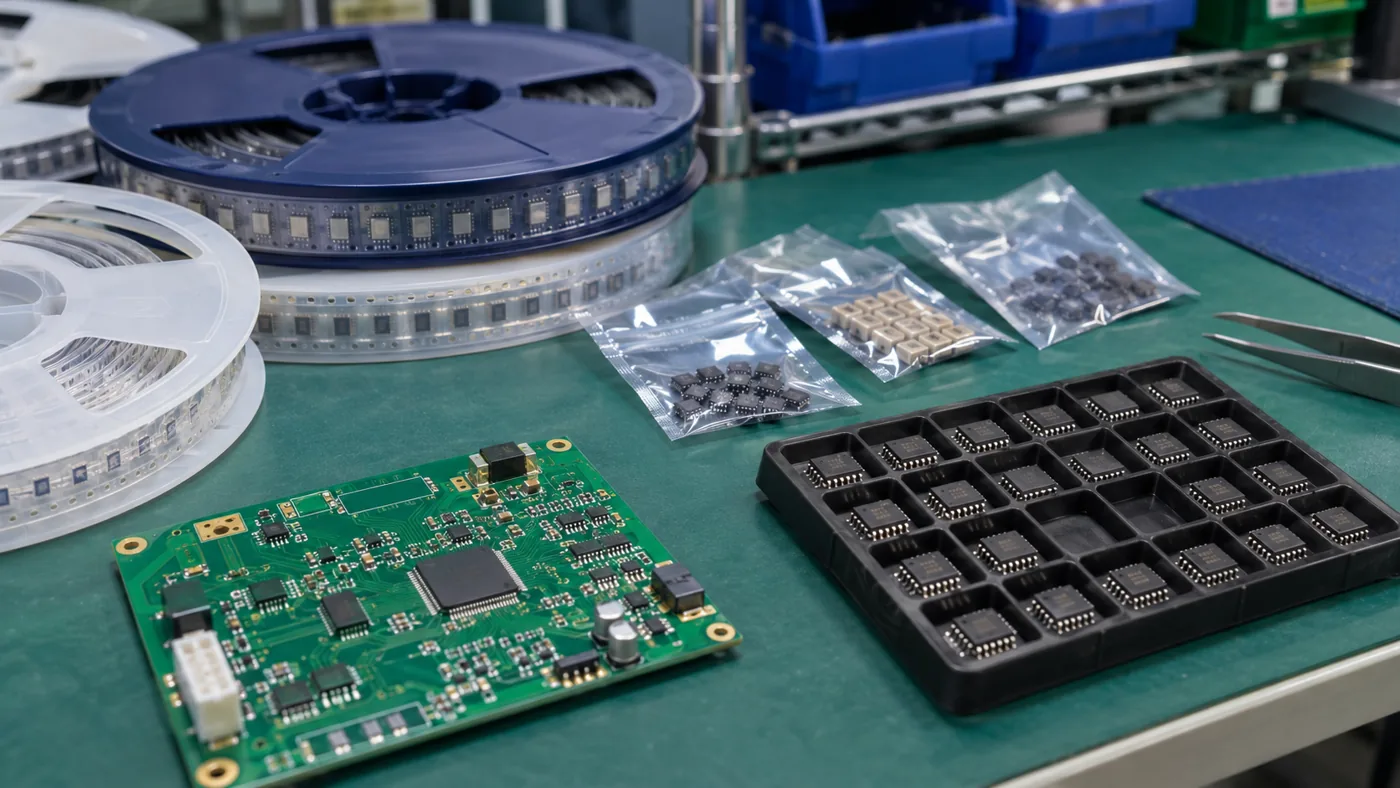
One missing component can hold up an entire PCB assembly order. The board may be ready for fabrication, the other parts may be available, and the production date may be approaching—but one IC or connector has a lead time that no longer fits the schedule.
Start by confirming the exact manufacturer part number, quantity and required date. Then compare the available options: find the same part through another acceptable source, use customer-supplied stock, approve an alternative, leave the position unpopulated for a defined build, or change the design. The best choice depends on the component’s role and the finished product you need.
First, Find Out What “Unavailable” Means
A shortage can take several forms. A part might be out of stock at the assembler’s usual supplier but available elsewhere. It might be available in a different packaging format, or the supplier may have some stock but not enough for the full order. In other cases, the manufacturer has announced the part’s end of life.
Ask for the affected manufacturer part number, reference designators, required quantity, available quantity and expected delivery date. Check whether the quantity includes the additional parts needed for assembly and whether the available packaging is suitable for the planned process.
Online stock is a useful starting point, but the project schedule should be based on an actual supplier confirmation or reservation where possible. An estimated date can change before the parts are ordered.
Six Ways to Respond to a Missing Part
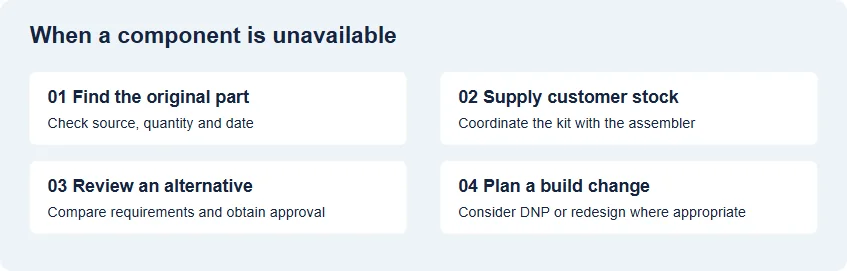
Compare sourcing and engineering paths before changing the production plan.
| Option | When it may help | What to check |
|---|---|---|
| Wait for the original part | The part is essential and the delivery date fits the project | Confirm lead time, quantity and how long the quote remains valid |
| Find the same part through another source | The exact part is available outside the original channel | Review supplier acceptability, traceability, packaging and total cost |
| Supply the missing part yourself | Your team already has usable inventory or can source it | Agree on quantities, labels, packaging, delivery and any required records |
| Use an approved alternative | An alternate has already been accepted for this product | Check the approved part number, revision, conditions and build scope |
| Leave the position unpopulated | A prototype can proceed without the part and the next step is planned | Identify DNP positions, incomplete tests and responsibility for later assembly |
| Evaluate a new part or redesign | Other routes cannot meet the project needs | Assess engineering, validation, fabrication and schedule impacts |
These options can be combined. For example, a team may supply a long-lead microcontroller from its own inventory while the assembly partner sources the remaining BOM items. GreatPCB’s consigned and partial turnkey assembly options describe how customer-supplied and sourced materials can be coordinated.
Search for the Original Part Before Changing the Design
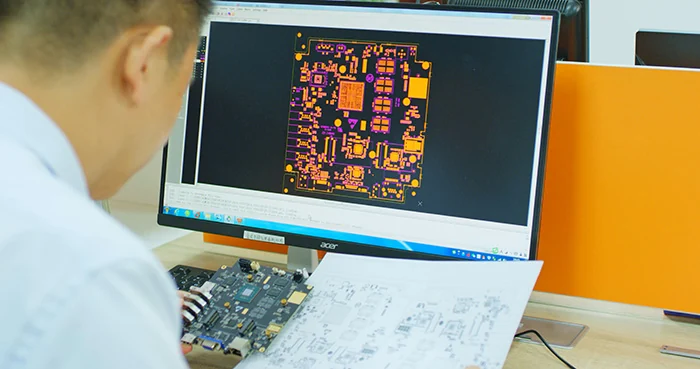
Review project requirements alongside the component sourcing plan.
Search using the complete orderable part number, not only the device family. Suffixes can identify differences in package, temperature range, qualification or packaging. Ask whether the proposed stock is genuinely the specified part and whether its source meets the project’s purchasing policy.
An unfamiliar source may offer an attractive delivery date, but price and availability are only part of the decision. Agree on the supplier information and traceability records needed for the order, especially for critical or hard-to-find devices.
Customer-Supplied Parts and Unpopulated Positions Are Different
If you supply the components, the assembler can receive the parts and include them in the agreed build. Identify the exact part number and relevant BOM lines, and discuss the available quantities and packaging before shipping.
If a position is marked DNP—do not populate, the board leaves that stage without the component. That may be useful when a prototype must move forward while a nonessential part is delayed. But the incomplete assembly may not support every functional test. Agree who will install the part later, what checks are possible before shipment, and what must be tested after completion.
Do not mark an unavailable component DNP simply to remove an error from an order form. First establish whether the resulting board is safe and useful for its intended next step.
Is the Alternative Really Compatible?
An available component with the same basic description is a candidate, not automatically a replacement. Compare the exact data sheets against how the circuit actually uses the part.
Electrical and Environmental Requirements
Check operating voltage, current, power, tolerances, temperature range and any parameters that affect the function of the circuit. A voltage regulator, for example, may need a review of input range, output accuracy, current limit, dropout and stability with the existing capacitors. The important parameters depend on its job in the design.
For a ceramic capacitor, two parts with the same nominal capacitance and package size can behave differently under the applied DC voltage. Compare the dielectric, voltage rating and the manufacturer’s relevant bias characteristics with the capacitance the circuit needs in operation. Murata’s explanation of DC bias shows why the nominal value alone is not a complete comparison.
Function, Pinout and Package
Check the function and pin assignments, including pins described as no-connect or exposed pads. Then compare the physical package, height, lead geometry and assembly requirements. A common package name is not a substitute for checking the full drawing.
Cross-reference labels are useful for finding candidates, but they can mean different things. Texas Instruments distinguishes a drop-in replacement from a pin-for-pin replacement: pin compatibility does not mean all parameters are the same. The design owner still needs to assess the candidate in the actual circuit.
Firmware, Timing and Testing
A replacement IC may require different initialization, programming, interface timing or test limits. Even if it fits the existing PCB, the team should decide whether the current firmware and test procedure remain valid. The extent of verification depends on the part and product; not every change requires the same test plan or a new PCB.
Who Finds, Reviews and Approves the Replacement?
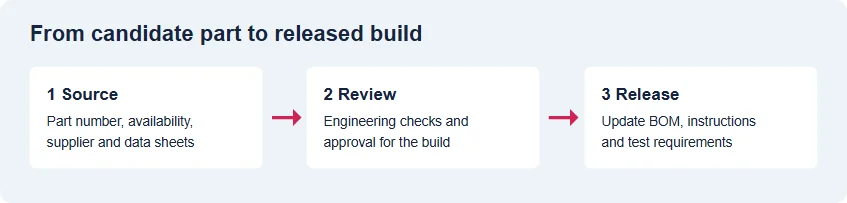
Connect sourcing, technical review and the released build package.
The assembler or purchasing team can identify candidate parts and provide availability, price, source and data sheets. The design owner or the person authorized for the product evaluates whether a candidate is acceptable for its intended use.
Record the decision in a form that can travel with the order:
- Original and approved alternative manufacturer part numbers.
- Affected reference designators and product or board revision.
- Any restrictions on supplier, quantity, application or production lot.
- Required checks, tests or changes to assembly instructions.
- The person or team who approved the change.
An alternate proposed in an email is not necessarily approved for every product variant or future order. Keep the approved scope clear so that the correct part is purchased and fitted.
Update the Build Package Before Production
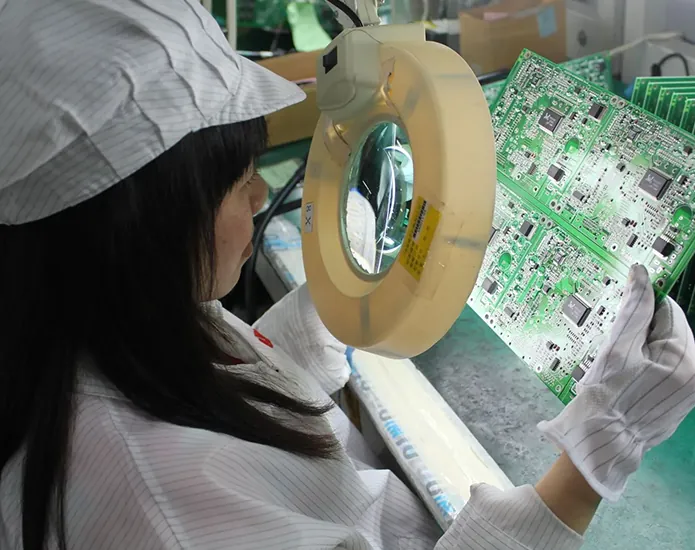
Inspection and testing follow the requirements of the agreed build.
Once the decision is made, update the released BOM and communicate the change to everyone handling procurement and assembly. Our PCB BOM guide explains how part numbers, approved alternatives and sourcing responsibilities fit into the document.
Some substitutions require only an approved BOM change. Others affect the assembly drawing, placement file, programming instructions, test procedure or PCB itself. If a position is left unpopulated, ensure the assembly instructions and applicable paste or placement data represent that build variant.
For a board that will be completed later, define the handoff as carefully as the initial build: which components are missing, who installs them, what inspection or test has already been performed, and which checks remain after completion. Review component handling and rework requirements before adding parts to a finished assembly.
Prepare for the Next Production Run
Shortage planning works best before the order is urgent. Identify components with long lead times, limited sources, product lifecycle concerns or a critical role in the circuit. For those parts, review sourcing options and potential alternatives while there is time to evaluate them.
If the same board will be built again, record what was actually fitted and under which approval. That makes the next purchasing discussion easier and reduces the chance of confusing a one-time exception with a permanently approved part.
Frequently Asked Questions
Can a PCB assembler substitute a component without asking?
Substitution rules should be agreed for the order. Provide approved alternatives and any restrictions in the BOM or purchasing instructions. A newly proposed part should be reviewed by the product’s authorized decision-maker before it is purchased or fitted.
Does the same package mean two parts are interchangeable?
No. Matching physical dimensions do not establish pin compatibility or suitable electrical, thermal and functional behavior. Compare the complete part information against the circuit requirements.
Can I supply only the unavailable components?
Yes. In a partial turnkey arrangement, identify which parts you will supply and which the assembly partner should source. Share the part numbers, quantities, packaging and expected arrival dates so the complete kit can be planned.
Does every substitution require a new PCB?
No. A suitable approved alternative may work with the existing design. Other changes can require adjustments to software, testing, assembly files or the board itself. The impact depends on the part and the product.
Can a board be shipped with a missing component?
That may be possible if the assembly scope permits it. Identify the DNP position and agree on the incomplete board’s handling, later installation and test responsibilities before production.
Discuss Your Component Supply Plan
If a part on your BOM is unavailable, share the original manufacturer part number, quantities, required delivery date and any approved alternatives. GreatPCB can discuss customer-supplied parts, component sourcing and the PCB assembly scope alongside your project requirements.
Table of Contents
Tags
Related Posts
PCBA Prototype
September 8, 2026
PCBA Prototype
August 7, 2026