
PCBA SMT Guide: Efficiency, Costs & Supplier Selection
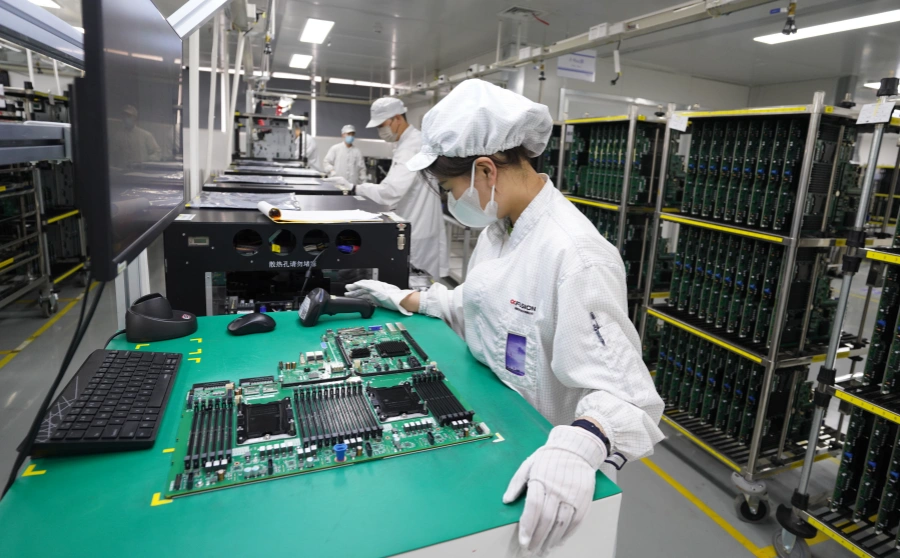
1. SMT Processing Efficiency
For large-scale PCB production, the overall efficiency of an SMT manufacturing facility is very important. Regardless of whether a PCBA is high-precision or standard, the manufacturing steps are the same, and all processes must be completed for the board to be considered finished.
For customers looking for an SMT assembly manufacturer, it is crucial to select a supplier that meets efficiency standards. Here, efficiency is not just about speed—it is about the balance between speed and quality. Pursuing high speed alone while neglecting quality may result in products that cannot be marketed or used properly. This is a key consideration, as serious quality issues can increase project costs, delay delivery, and ultimately affect a company’s strategic planning.
2. PCBA Processing Cost Estimation
Typically, large-scale SMT assemblies involve many placement points, giving customers more bargaining power on pricing. Many factories favor such customers. Each stage—PCB bare board production, component sourcing, and SMT assembly—can be negotiated separately, including downstream assembly, testing, and logistics.
The two points above are among the most critical factors in the PCBA production process. A supplier with high efficiency and competitive costs forms the foundation for long-term cooperation. Equally important is partnering with a manufacturer that has extensive industry experience. When choosing a supplier, consider the following:
- Visit the factory to evaluate quality control during manufacturing—essentially a measure of efficiency.
- Understand what testing equipment and inspection processes the factory has.
- Consider the delivery lead time.
- Verify that the manufacturer has relevant industry experience, as only past work provides insight into industry-specific quality concerns and potential defects. Best practices come from hands-on experience.
Request a PCB & PCBA Quote Today
Whether you need a prototype build or mass production, GreatPCB can support your project from PCB fabrication to final assembly.
- ✔ PCB Fabrication
- ✔ SMT & DIP Assembly
- ✔ Component Sourcing
- ✔ AOI, X-Ray, ICT & Functional Testing
- ✔ Prototype and Volume Production
3. PCBA SMT Production Cycle
During PCBA SMT assembly, when customer materials arrive, the factory must perform material counting, prepare SMT stencils, adjust equipment, and confirm first articles. These steps take time. The overall assembly timeline mainly depends on the order size: small batches can be completed within 7 days, while large-batch production generally follows this schedule:
- Component Procurement: 7 days to 1 month
Typically, components can be sourced within a week. Special or custom components may take over a month. - Processing Stage: About 7 days
From material readiness, factory order placement, and production scheduling, a smooth process can take one week. If the factory’s schedule is full, it may extend to two weeks or longer. - Logistics: 1 to 7 days
If picking up directly or having the factory deliver, one day is sufficient. Standard courier delivery usually takes up to 7 days.
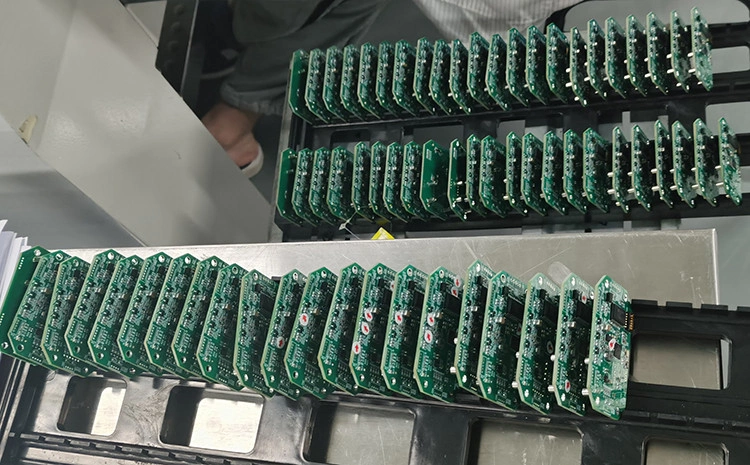
Overall, the PCBA SMT production cycle usually exceeds one month. If delivery is not urgent, the process can proceed at a normal pace. For urgent requirements, it is recommended to work with a reliable long-term supplier.
4. Prototyping Before Mass Production
Reducing errors is key to ensuring high-quality PCBA production. One purpose of PCBA prototyping is to minimize errors. Prototyping has been shown to significantly reduce mistakes in the assembly process, particularly for urgent or large-scale orders. Even for small batches, prototyping is often used to ensure quality before full production.
5. How to Choose a Suitable Supplier
(a) Plan Ahead
Selecting a compatible supplier should start before the PCB design is completed. Doing so allows you to leverage the manufacturer’s expertise during the design process. Engineers can provide guidance on design improvements that make your product easier to manufacture and reduce testing costs. Failing to communicate early may increase later costs.
(b) Look for a Collaborative Partner
Choose suppliers as partners, not just vendors. Every project involves design iterations, modifications, assembly, and testing adjustments. You need a supplier willing to work with you to address early-stage issues and continue as a reliable partner for future projects.
(c) Evaluate Capability and Capacity
Assess whether the supplier can provide complete services, including component sourcing, mold making, SMT assembly, product assembly, testing, and even design support. Ensure the supplier has the equipment required for your PCBA and sufficient capacity to meet your anticipated annual production volume.
(d) Trust Your Supplier
Once you have chosen the right supplier, trust their guidance. Experienced manufacturers have produced thousands of products for many clients. They understand potential pitfalls and limitations and know how to ensure successful outcomes. Listen carefully to their advice—it is extremely valuable.
Why Choose GreatPCB?
At GreatPCB, we understand that successful PCBA manufacturing requires more than just production capacity. It requires strong engineering support, stable quality control, reliable lead times, and transparent communication throughout the project.
Our team supports customers from prototype validation to volume production. With advanced SMT lines, strict inspection procedures, component sourcing services, and comprehensive testing capabilities, we help reduce manufacturing risks and improve product reliability.
Whether your project requires PCB fabrication, SMT assembly, component procurement, testing, or final product assembly, GreatPCB provides a complete one-stop solution designed to meet your quality, cost, and delivery requirements.
Table of Contents
Related Posts
PCBA Prototype
August 14, 2026
PCBA Prototype
August 13, 2026